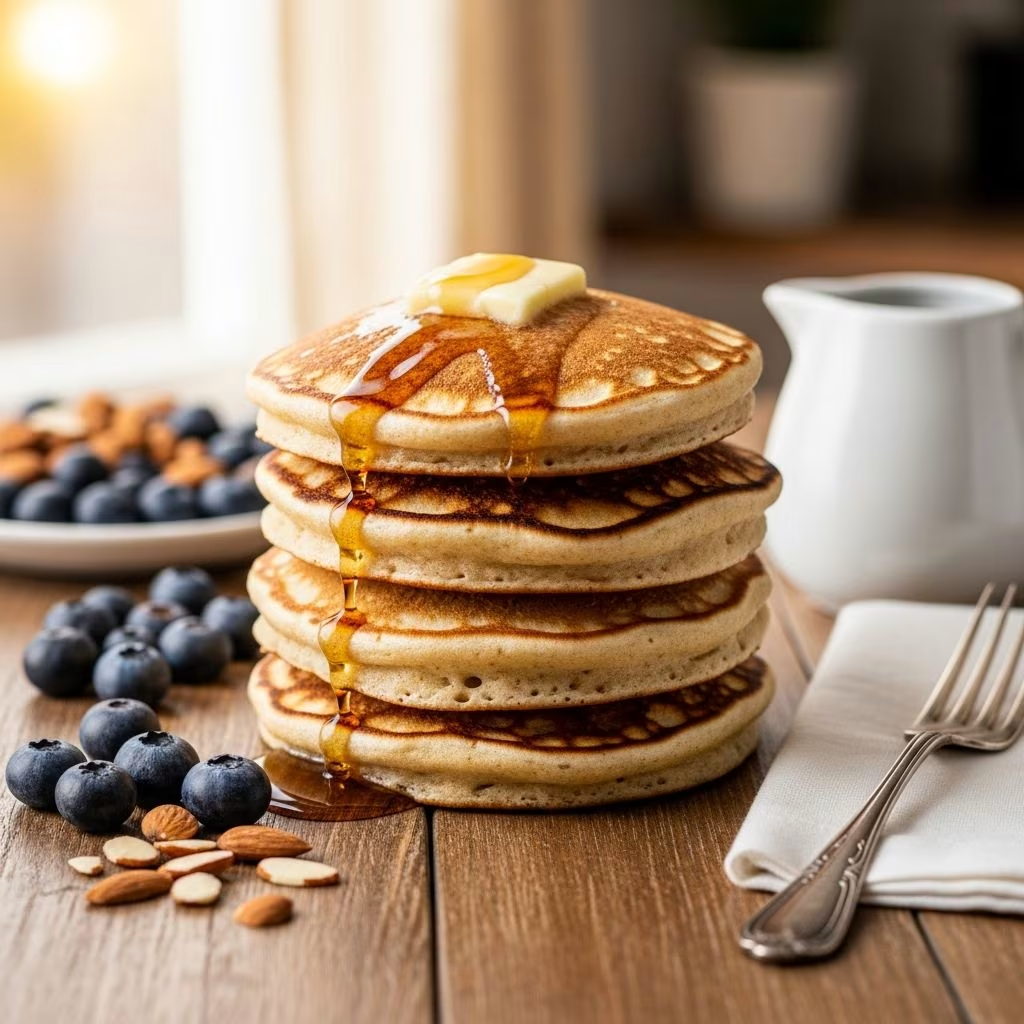
Breakfast traditions have evolved significantly as more people seek alternatives to conventional grain-based meals. Almond flour pancakes represent a practical solution for those navigating dietary restrictions while maintaining the comfort and satisfaction of a warm, filling breakfast. Unlike traditional wheat pancakes, these nutrient-dense alternatives combine simple ingredients to create a dish that appeals to multiple dietary approaches simultaneously.
Understanding Almond Flour and Its Role in Modern Cooking
Almond flour serves as the foundation for this pancake recipe, distinguishing it fundamentally from standard pancake preparations. This finely milled ingredient comes from blanched almonds that have had their dark outer skin removed, resulting in a consistently fine texture. The blanching process proves essential because it removes not only the skin but also any bitterness that might affect the final flavor profile of your pancakes.
When selecting almond flour for pancake preparation, quality matters considerably. Finely ground blanched varieties produce the smoothest batter without grittiness, while coarser almond meal—which retains the almond skin—can compromise texture and taste. The difference between these products determines whether your pancakes will achieve the desired light, fluffy consistency or turn out dense and unpalatable.
Almond flour’s nutritional composition makes it particularly valuable for those seeking sustained energy throughout their morning. Rich in protein and healthy fats while remaining low in carbohydrates, almond flour provides satiety that keeps hunger at bay until lunch. This macronutrient profile supports various dietary philosophies, from paleo approaches to low-carb lifestyle choices.
Essential Ingredients for Success
Creating exceptional almond flour pancakes requires understanding how each ingredient contributes to the final product. The combination of wet and dry components must achieve proper balance to produce pancakes with the right structure and texture.
Dry Ingredient Foundation
- Almond flour – The primary dry ingredient providing structure and nutty flavor
- Starch component – Tapioca starch or arrowroot powder helps bind ingredients and improve texture
- Leavening agents – Baking powder or a combination of baking powder and baking soda creates lift and fluffiness
- Salt – Enhances flavor and balances sweetness
- Optional spices – Cinnamon, vanilla extract, or other flavorings add complexity
Wet Ingredient Blend
- Eggs – Provide protein, structure, and binding power to hold the batter together
- Liquid base – Almond milk, coconut milk, or regular milk creates the right consistency
- Healthy fat – Coconut oil or melted butter adds richness and aids in cooking
- Natural sweetener – Honey, maple syrup, or banana provides sweetness without refined sugar
Preparation Techniques That Make a Difference
The method you employ when combining ingredients significantly influences your pancake outcome. Unlike traditional pancake batters, almond flour batters require specific handling techniques to achieve optimal results.
Begin by whisking together your dry ingredients thoroughly in a large mixing bowl. This step ensures the leavening agents distribute evenly throughout the almond flour, preventing concentrated pockets of baking powder that could create off-flavors or uneven rising. Take time to combine these elements well before introducing any wet ingredients.
In a separate bowl, whisk your wet ingredients until they form a cohesive mixture. If using eggs as your primary protein, beat them well to incorporate air, which contributes to fluffiness. Combine coconut milk with other liquids thoroughly, especially if using full-fat versions that require proper mixing to achieve the right consistency.
Create a well in the center of your dry ingredients and pour in the wet mixture, stirring gently until just combined. Avoid overmixing, as excessive stirring can develop gluten-like structures even in gluten-free preparations, resulting in tougher pancakes. The batter should appear thick—considerably thicker than traditional pancake batter—which is exactly what you want for proper cooking.
Allow your completed batter to rest for approximately ten minutes before cooking. During this resting period, the almond flour fully absorbs the liquid, thickening the batter further and allowing flavors to meld. This brief pause proves crucial for developing the ideal texture in your finished pancakes.
Cooking Methods and Temperature Control
Successful pancake preparation depends on understanding your heat source and maintaining appropriate temperature throughout the cooking process. Almond flour pancakes require slightly different heat management than traditional varieties.
Preheat your skillet or griddle over medium heat, allowing it to reach even temperature before adding any batter. To test readiness, flick a few drops of water onto the surface—they should sizzle gently and evaporate quickly rather than sitting as beads. This indicates sufficient heat for proper cooking without burning.
Add a small amount of cooking fat—coconut oil, ghee, or butter—to your preheated surface. Pour batter using approximately one-quarter cup per pancake, allowing space between each one for easy flipping. The thick batter will not spread as much as conventional pancake batter, so you’ll maintain more control over pancake size and shape.
Watch for visual cues indicating readiness to flip. Bubbles will form on the pancake surface, and the edges will appear slightly firmer than the center. At this point—typically three to four minutes after placing batter on the heat—gently flip each pancake using a spatula. Cook the reverse side for approximately one to two minutes until golden brown.
Flavor Variations and Customization Options
While the basic almond flour pancake recipe provides an excellent foundation, numerous variations allow personalization based on dietary preferences and taste inclinations.
| Variation Type | Key Modifications | Best For |
|---|---|---|
| Paleo-Focused | Coconut milk, coconut oil, honey, omit any grains or dairy | Strict paleo followers seeking authentic dietary alignment |
| Sugar-Conscious | Monk fruit, erythritol, or stevia instead of traditional sweeteners | Those managing blood sugar or reducing refined sugar intake |
| Chocolate Indulgence | Dark chocolate chips mixed into batter or drizzled on top | Breakfast lovers wanting a touch of decadence |
| Berry Enhancement | Fresh or frozen berries folded into batter before cooking | Adding nutritional value and natural tartness |
| Spice-Infused | Cinnamon, nutmeg, cardamom, or other warm spices | Creating depth of flavor and aromatic appeal |
Storage and Make-Ahead Strategies
One significant advantage of almond flour pancakes involves their excellent freezing capacity, allowing convenient future breakfasts. After cooking pancakes completely, arrange them on a parchment-lined baking sheet in a single layer and place in your freezer for several hours until solid.
Once frozen, transfer pancakes to airtight freezer containers or bags where they’ll maintain quality for up to three months. When ready to enjoy, thaw them at room temperature or reheat directly in a toaster, microwave, or skillet until warmed through. This make-ahead approach supports busy mornings when time for cooking is limited.
You can also prepare batter in advance and refrigerate it for up to 24 hours. However, allow chilled batter to reach room temperature before cooking for optimal results, as cold batter may cook unevenly or require extended cooking times.
Nutritional Benefits and Dietary Alignment
Almond flour pancakes deliver substantial nutritional advantages compared to their conventional counterparts. The protein content from both almond flour and eggs creates a breakfast that sustains energy and satiety through morning hours. This combination proves particularly valuable for those managing weight or maintaining active lifestyles.
The absence of grains makes these pancakes naturally gluten-free, addressing the needs of individuals with celiac disease, non-celiac gluten sensitivity, or those simply choosing to reduce grain consumption. Without refined carbohydrates, the glycemic impact remains minimal, supporting stable blood sugar throughout your morning.
Almond flour provides essential micronutrients including vitamin E, magnesium, and manganese—minerals often limited in conventional grain-based breakfasts. These nutrients support overall health, immune function, and metabolic processes. The healthy monounsaturated and polyunsaturated fats from almonds contribute to cardiovascular wellness and support nutrient absorption.
Common Challenges and Solutions
Dense or Heavy Pancakes
If your pancakes emerge from the skillet overly dense, the most likely cause involves either overmixing the batter or using the wrong type of almond flour. Ensure you’re using finely ground blanched almond flour rather than coarser almond meal. Additionally, avoid excessive stirring when combining wet and dry ingredients, which can compromise the light texture you’re seeking.
Batter Too Thin
Overly thin batter that spreads excessively requires additional resting time. The almond flour needs adequate opportunity to absorb liquid and thicken naturally. If your batter remains too thin after the initial ten-minute rest, add a bit more almond flour gradually while stirring gently.
Pancakes Sticking to the Skillet
Insufficient fat or inadequate skillet temperature typically causes sticking issues. Ensure your cooking surface has adequate cooking fat and reaches proper preheating temperature before adding batter. Non-stick skillets generally outperform traditional pans for this recipe.
Frequently Asked Questions
Can I substitute regular flour in this recipe?
No, almond flour and wheat flour differ significantly in structure and behavior during cooking. Substituting conventional flour would eliminate the gluten-free and grain-free benefits while substantially altering the final texture and taste. These recipes are specifically formulated for almond flour’s unique properties.
What milk alternatives work best?
Almond milk, coconut milk, and regular dairy milk all work effectively in almond flour pancake recipes. Coconut milk provides additional richness and complements the almond flour flavor particularly well, though it requires thorough mixing before use. Choose based on your dietary preferences and desired flavor intensity.
Are these pancakes suitable for meal prep?
Absolutely. These pancakes freeze exceptionally well and can be prepared in large batches for convenient future breakfasts. They also work well for meal prep when paired with various toppings and additions throughout the week.
How many servings does a typical recipe yield?
Most recipes produce approximately six servings or twelve to sixteen individual pancakes, depending on size and portion preference. Adjust ingredient quantities based on your household size and needs.
Topping Ideas and Serving Suggestions
While delicious on their own, almond flour pancakes shine when paired with complementary toppings. Fresh berries provide tartness and additional nutrients, while nut butters add richness and protein. Coconut cream, Greek yogurt, or dairy-free alternatives offer creamy accompaniments that enhance texture contrast.
Natural sweeteners like pure maple syrup or honey drizzled generously over warm pancakes provide satisfying sweetness, while savory options including avocado, smoked salmon, or herb-infused butter appeal to those preferring breakfast outside traditional sweet conventions.
References
- The Paleo Diet: Lose Weight and Get Healthy by Eating the Food You Were Designed to Eat — Loren Cordain, Ph.D. 2010. Academic resource on paleo-aligned food preparation and nutritional principles.
- Gluten-Free All-Access Handbook — Shelley Case, RDN. 2015. Professional nutritionist guidance on gluten-free ingredient substitution and recipe development.
- Academy of Nutrition and Dietetics: Evidence Analysis Library — Academy of Nutrition and Dietetics. Last updated 2024. https://www.eatrightpro.org/
- USDA FoodData Central: Almond Flour Nutritional Composition — United States Department of Agriculture. Last updated 2023. https://fdc.nal.usda.gov/
- The Complete Guide to Alternative Flours: Baking and Cooking with Coconut Almond Buckwheat Spelt and Other Wheat-Free Flours — Bruce Weinstein and Mark Scarbrough. 2014. Comprehensive flour substitution guidance for alternative baking approaches.