Barbecue sauce stands as a cornerstone of American grilling culture, transforming simple meats into flavorful masterpieces. This versatile condiment blends sweet, tangy, smoky, and spicy elements to create the perfect glaze or dipping sauce. Whether slathering it on ribs, brushing it over chicken, or mixing it into baked beans, a great BBQ sauce elevates any cookout. In this comprehensive guide, we delve into the history, essential ingredients, foolproof recipes, and expert techniques to help you craft your own All-American BBQ sauce from scratch.
The Roots of American Barbecue Sauce
Barbecue sauce traces its origins to indigenous cooking methods and immigrant influences across the United States. Early versions relied on local ingredients like vinegar and peppers in the South, evolving into the thick, tomato-based styles popular today. Regional differences define American BBQ: Kansas City favors molasses-sweet tomato sauces, while Eastern North Carolina emphasizes peppery vinegar washes. These variations reflect available produce, climate, and cultural exchanges, making BBQ sauce a tapestry of U.S. culinary history.
By the mid-20th century, commercial brands popularized standardized recipes, but homemade versions allow customization. Understanding these roots helps replicate authentic flavors while experimenting with personal twists.
Core Ingredients for Authentic Flavor
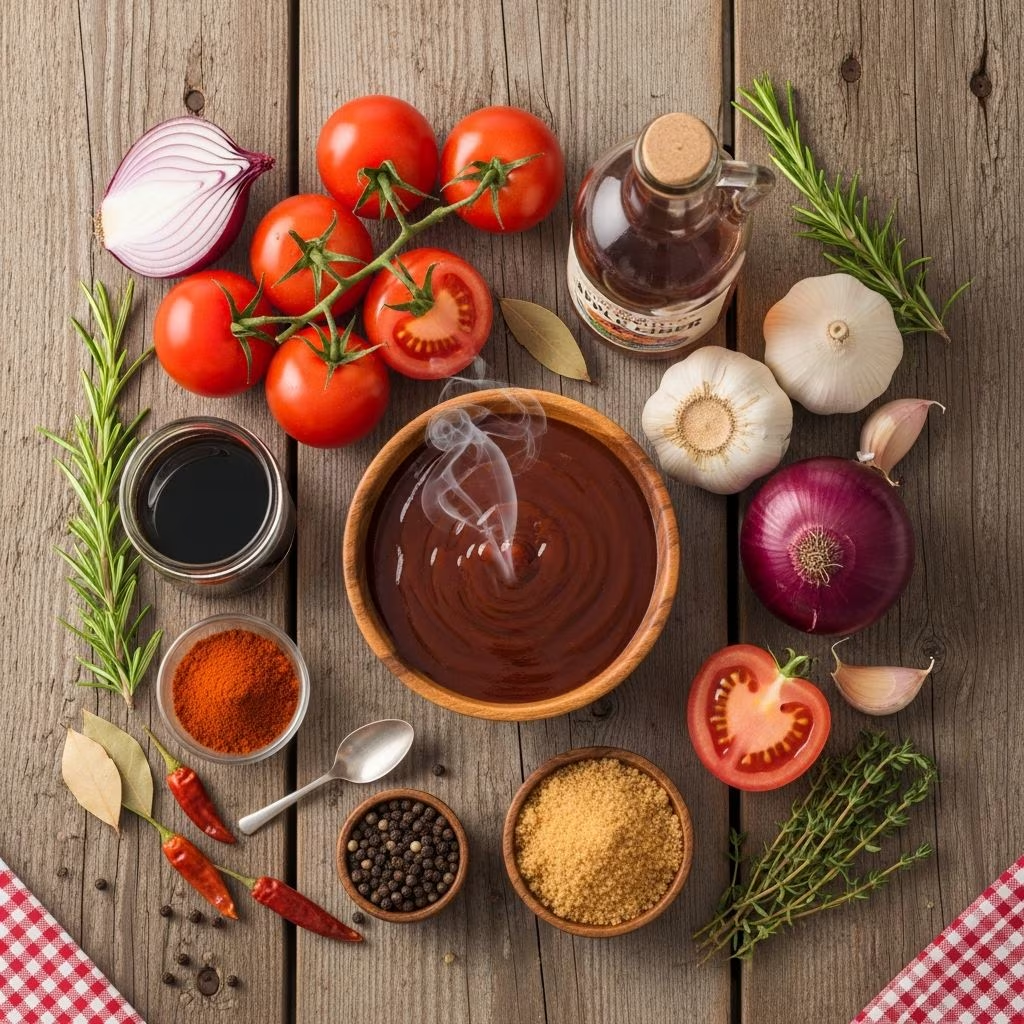
Building a stellar BBQ sauce starts with quality basics. Tomato products form the backbone, providing body and color. Ketchup offers convenience with its pre-seasoned profile, while tomato sauce or paste delivers deeper richness. Sweeteners like brown sugar or molasses balance acidity, adding caramel notes during cooking.
Acids such as apple cider vinegar or lemon juice cut through sweetness, enhancing tang. Umami boosters like Worcestershire sauce or tamari introduce savory depth. Spices—paprika for smokiness, garlic and onion powders for aroma, black pepper and chili for heat—round out the profile. Mustard adds bite in some styles, and butter or oil can smooth the texture.
- Ketchup or tomato base: Provides thickness and mild sweetness.
- Brown sugar: Melts into caramel for classic BBQ taste.
- Apple cider vinegar: Delivers sharp tang without overpowering.
- Worcestershire: Adds complex, fermented notes.
- Spices: Paprika, cumin, garlic powder for layered flavor.
Classic Kansas City-Style BBQ Sauce Recipe
Kansas City sauce epitomizes the thick, sweet, clingy variety ideal for slow-cooked meats. This no-cook version comes together in minutes, mimicking store-bought ease with superior taste.
Ingredients (makes about 2 cups)
| Ingredient | Amount |
|---|---|
| Ketchup (no high-fructose corn syrup preferred) | 2 cups |
| Dark brown sugar, packed | 1/3 cup |
| Onion salt | 1 tbsp |
| Celery salt | 1 tsp |
| Garlic powder | 2 tsp |
| Chili powder | 1.5 tsp |
| Black pepper, ground | 1 tsp |
| Cumin, ground | 1.5 tsp |
| Cayenne powder | 1/2 tsp |
| Lemon juice | From 1 lemon |
| White vinegar | 1/4 cup |
| Mustard (yellow or Dijon) | 2 tbsp |
| Butter | 4 tbsp |
Step-by-Step Instructions
- Combine all ingredients except butter in a medium saucepan over low heat. Stir until sugar dissolves and mixture simmers gently, about 30 minutes.
- Remove from heat, stir in butter until fully melted and incorporated for silky texture.
- Cool to room temperature. Taste and adjust spice or sweetness as needed.
- Store in an airtight jar in the fridge for up to 3 weeks.
This sauce shines on ribs or brisket, applied in the final cooking stages to avoid burning sugars.
Regional Variations Across America
America’s BBQ diversity means no single sauce rules. Explore these styles for variety.
South Carolina Mustard BBQ Sauce
Bright yellow and piquant, this sauce pairs with pork shoulder. Simmer grated onion, yellow mustard, brown sugar, vinegar, dry mustard, cayenne, and bay leaf in butter for 20-30 minutes. Season with salt and pepper.
Eastern North Carolina Vinegar Sauce
Thin and fiery, it’s a mop for whole hog. Shake apple cider vinegar, lemon juice, brown sugar, cayenne, hot sauce, salt, and pepper in a jar. Refrigerate 2 days for flavors to meld.
Memphis Sweet-and-Spicy Sauce
A thicker blend with tomato paste, ketchup, grape juice, Worcestershire, and lemons simmered low for hours. Dry rubs like mustard powder and peppers build bold taste.
Quick No-Cook BBQ Sauce for Busy Cooks
Short on time? Whisk ketchup, apple cider vinegar, Worcestershire, brown sugar, mustard, paprika, onion powder, pepper, minced garlic, and water. Let rest 1 hour in the fridge for best flavor. This 5-minute sauce rivals commercial options and stores for 2 weeks.
Vegetarian and Custom Twists
Swap Worcestershire for tamari or soy sauce in plant-based versions. Add smoked paprika for campfire essence without a grill. For heat lovers, amp up cayenne or chipotle powder. Fruit purees like apple or peach introduce subtle sweetness in low-sugar recipes.
- Use tamari for gluten-free umami.
- Incorporate smoked paprika for authentic grill flavor.
- Blend in fruit juices for natural sweetness.
Perfect Pairings: What to Sauce Up
BBQ sauce versatility extends beyond meat. Brush on chicken wings 10 minutes before grilling finishes. Toss pulled pork in a slow cooker with 1 cup sauce per 3 pounds meat. Dip burgers or fries for instant upgrade. Mix into coleslaw or beans for side dish magic.
| Protein | Application Tip |
|---|---|
| Ribs | Apply last 30 min of baking/smoking. |
| Chicken | Marinate overnight, then glaze. |
| Burger | Mix 2 tbsp into patty or spread on bun. |
| Veggies | Toss grilled corn or potatoes. |
Storage, Shelf Life, and Freezing Tips
Fresh sauce lasts 2-3 weeks refrigerated in glass jars. For longer storage, freeze in ice cube trays for portioned use—thaw as needed. Always shake before use, as separation occurs naturally. Avoid metal containers to prevent acidic reactions.
Common Mistakes and Pro Fixes
Burning sugars? Cook low and slow, adding sauce late. Too thin? Simmer uncovered to reduce. Lacking depth? Rest overnight post-cooking. Overly spicy? Balance with extra sugar or ketchup. Taste iteratively for perfection.
Nutrition Snapshot
A 2-tablespoon serving typically offers 70-100 calories, mostly from sugars. Opt for low-sugar ketchup and less sweetener to customize. High in lycopene from tomatoes, it’s a flavorful way to add veggies indirectly.
Frequently Asked Questions
Can I make BBQ sauce without ketchup?
Yes, use tomato paste diluted with water or stock for base. Adjust seasonings accordingly.
How long does homemade BBQ sauce last?
Refrigerated: 2-4 weeks. Frozen: 3-6 months.
What’s the best vinegar for BBQ sauce?
Apple cider vinegar for fruity tang; white works for sharpness.
Is BBQ sauce gluten-free?
Check Worcestershire; use tamari substitute for safety.
Can I can BBQ sauce for long-term storage?
Follow USDA pressure canning guidelines for safety.
Scaling Up for Parties
Double or triple recipes easily—taste before final simmer. A gallon suits 50 guests. Prepare ahead and reheat gently on the grill.
References
- All American BBQ Sauce Recipes — Paula Deen. Accessed 2026. https://www.pauladeen.com/all-american-bbq-sauce-recipes/
- Easy Homemade BBQ Sauce Recipe — Natasha’s Kitchen. Accessed 2026. https://natashaskitchen.com/bbq-sauce-recipe/
- Homemade BBQ Sauce Recipe — Love and Lemons. Accessed 2026. https://www.loveandlemons.com/bbq-sauce-recipe/
- All-American Barbecue Sauce — Food Wishes (YouTube). 2020. https://www.youtube.com/watch?v=DQ48ndmXIa8
- All-American Barbecue Sauce – Creating Your Own Masterpiece — Food Wishes Blog. 2020-06. https://foodwishes.blogspot.com/2020/06/all-american-barbecue-sauce-creating.html