Alabama white BBQ sauce stands out in the world of barbecue condiments with its unique creamy texture and zesty flavor profile. Unlike the thick, tomato-heavy sauces common in other regions, this mayo-based creation offers a lighter, tangier alternative that clings beautifully to grilled and smoked meats. Originating from Decatur, Alabama, it has become a staple for pitmasters seeking to add a refreshing twist to their cooks.
The Unique Appeal of White BBQ Sauce
This sauce’s charm lies in its simplicity and balance. The base of high-quality mayonnaise provides creaminess, while vinegar and citrus deliver sharpness. Spices and horseradish add depth and heat, making it versatile for drizzling, dipping, or marinating. It’s particularly renowned for pairing with chicken, where it cuts through richness without overpowering the meat’s natural flavors.
Barbecue enthusiasts appreciate how it transforms ordinary grilled items into standout dishes. Its pale color contrasts visually with charred exteriors, and the cooling effect tempers spice from rubs or wood smoke. Whether you’re a novice griller or seasoned pro, mastering this sauce opens doors to authentic Southern barbecue traditions.
Essential Ingredients for Authentic Flavor
Creating the perfect Alabama white BBQ sauce starts with selecting premium components. Here’s a breakdown of core elements and their roles:
- Mayonnaise: The foundation, ideally full-fat for richness. Duke’s is a favorite for its tangy edge.
- Vinegar: Apple cider or distilled white for acidity; apple cider adds subtle fruitiness.
- Citrus: Lemon juice for brightness and freshness.
- Sweetener: Sugar, brown sugar, or honey to mellow tartness.
- Horseradish: Prepared version for pungent kick without grating effort.
- Worcestershire Sauce: Umami booster with savory notes.
- Spices: Garlic powder, onion powder, salt, black pepper, and cayenne for layered seasoning.
These ingredients harmonize in minutes, yielding about 1.5 cups—enough for multiple meals. Opt for fresh spices to ensure vibrant taste.
Step-by-Step Recipe Guide
Preparation is straightforward, requiring no cooking. Follow these steps for foolproof results:
- Prep citrus: Juice half a lemon to yield 1 teaspoon, straining pulp if desired.
- Combine base: In a medium bowl, add 1 cup mayonnaise, 3 tablespoons vinegar, and 2 tablespoons sugar.
- Incorporate flavors: Mix in 1 tablespoon horseradish, 1 teaspoon Worcestershire, ½ teaspoon garlic powder, ½ teaspoon salt, ½ teaspoon black pepper, and ¼ teaspoon cayenne.
- Whisk thoroughly: Blend until smooth and uniform, about 2 minutes. Taste and adjust seasoning.
- Chill: Transfer to an airtight jar; refrigerate 2-4 hours or overnight for flavors to meld.
This yields a sauce ready in under 10 minutes. Store in the fridge up to 1-2 weeks.
| Ingredient | Quantity | Substitution Option |
|---|---|---|
| Mayonnaise | 1 cup | Greek yogurt (lighter version) |
| Apple Cider Vinegar | ¼ cup | Distilled white vinegar |
| Brown Sugar | 2 Tbsp | Granulated sugar or honey |
| Horseradish | 1 Tbsp | Mustard for milder heat |
| Lemon Juice | 1 tsp | Lime juice |
Customizing Your White BBQ Sauce
Adapt the recipe to preferences or availability. For milder versions, reduce cayenne or horseradish. Craving more heat? Add hot sauce or extra pepper. Sweet lovers can increase sugar to 3 tablespoons. Dietary tweaks include using vegan mayo and agave for plant-based options.
Regional twists incorporate onion powder or mustard for extra complexity. Experimentation keeps it exciting—start small and scale up.
Best Meats and Sides to Pair With It
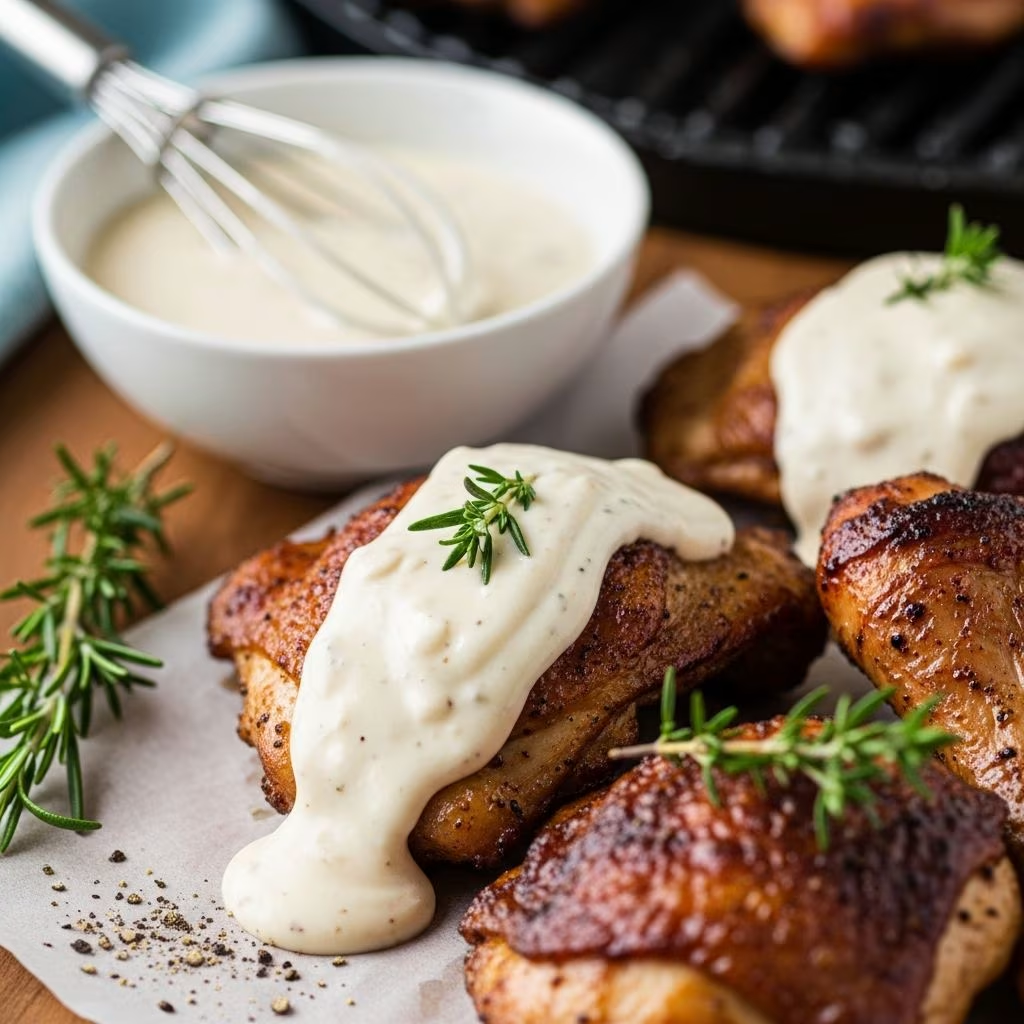
Alabama white sauce shines on poultry. Drizzle over smoked or grilled chicken quarters, wings, or tenders for a cooling contrast. It’s transformative on pulled pork sandwiches, blending creaminess with slaw.
- Chicken: Ideal for whole birds or breasts; baste during last grilling minutes.
- Pork: Enhances ribs or chops; use as a mop sauce.
- Turkey: Perfect for holiday smokers.
- Veggies: Dip grilled corn, potatoes, or mushrooms.
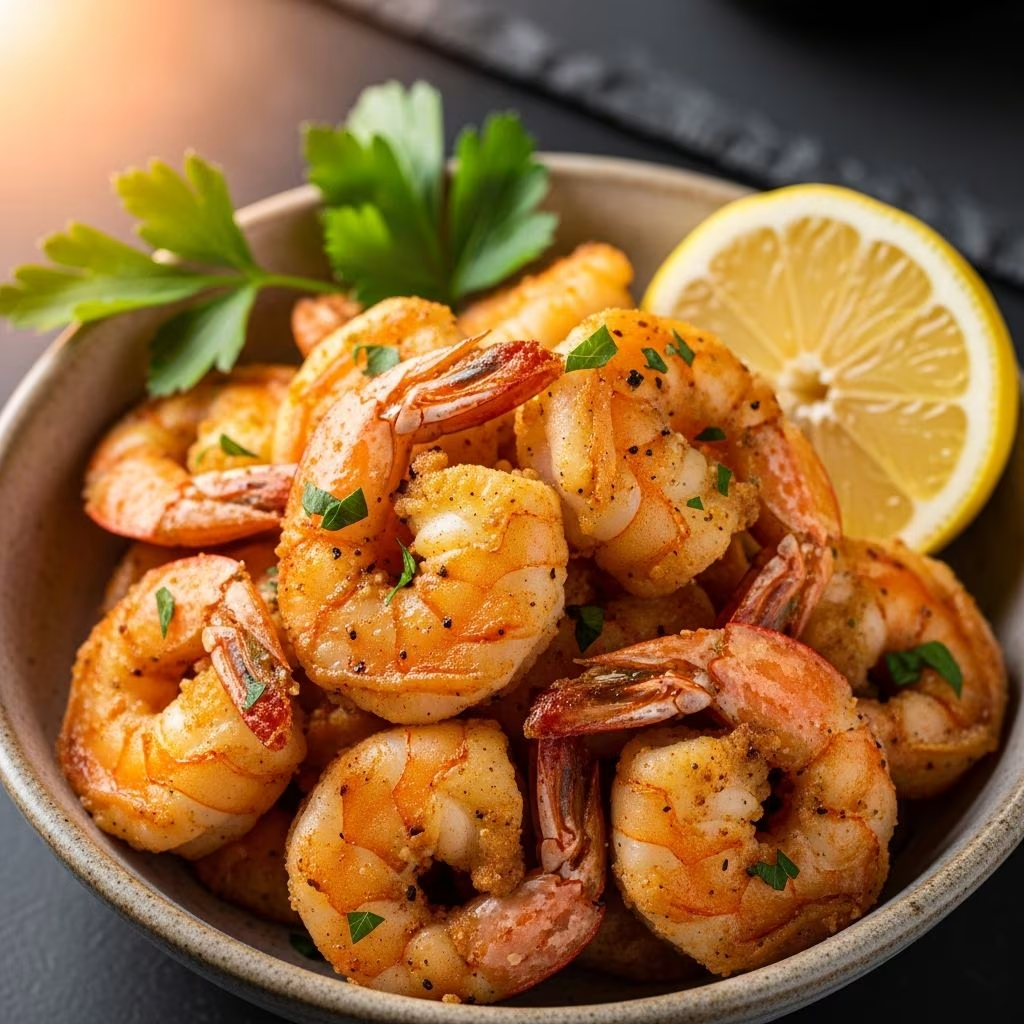
- Seafood: Try on blackened fish or shrimp.
Grilling and Smoking Techniques
To maximize sauce impact, apply post-cook to preserve creaminess—heat can cause separation. For basting, thin with vinegar and use sparingly. In smokers, spritz early but save thick coats for serving.
Aim for 225-250°F smokes with hickory or applewood. Rest meats 10 minutes before saucing. This method locks in juices while sauce adds moisture.
Storage, Shelf Life, and Freezing Tips
Fresh sauce lasts 1-2 weeks refrigerated in glass jars. Freezing works for up to 3 months—thaw overnight and whisk to restore texture. Avoid metal containers to prevent reactions.
Signs of spoilage: off odors, mold, or separation. Always label with dates.
Health Considerations and Nutrition
A 2-tablespoon serving offers about 150 calories, mostly from mayo fats. It’s lower in sugar than traditional sauces. For lighter versions, swap half mayo for yogurt, cutting calories by 30%.
Rich in umami, it aids digestion via vinegar. Use sparingly for balanced meals.
Common Mistakes to Avoid
- Over-whisking: Leads to runny texture; mix gently.
- Skipping chill time: Flavors need melding.
- Low-quality mayo: Affects taste and stability.
- Applying too early: Heat breaks emulsion.
History and Cultural Significance
Born in 1925 at Big Bob Gibson Bar-B-Q in Decatur, Alabama, owner Bob Gibson created it to moisten dry smoked chicken. It revolutionized regional BBQ, spreading via word-of-mouth. Today, it’s a point of pride, with variations at festivals.
Advanced Variations and Fusion Ideas
Innovate with garlic aioli mayo for Italian flair or sriracha for Asian heat. Blend with herbs for turkey or yogurt for Greek gyros. Use as salad dressing or pizza drizzle.
Frequently Asked Questions (FAQs)
What is Alabama white BBQ sauce made of?
Primarily mayonnaise, vinegar, lemon juice, horseradish, Worcestershire, and spices for tang and creaminess.
Can I use it as a marinade?
Yes, marinate chicken 2-4 hours; the acidity tenderizes effectively.
How long does it last in the fridge?
Up to 2 weeks in an airtight container.
Is it spicy?
Mild with adjustable cayenne; customize heat level.
What’s the best mayo brand?
Duke’s for authentic tang, but any full-fat works.
Pro Tips from Pitmasters
- Rest sauce overnight for peak flavor.
- Thin for basting, thicken for dipping.
- Pair with fruit woods for subtle smoke.
References
- How to Make the Best Alabama White BBQ Sauce — Little Black Skillet. 2023. https://littleblackskillet.com/alabama-white-bbq-sauce/
- The Best White BBQ Sauce Recipe — Couple in the Kitchen. 2023. https://coupleinthekitchen.com/the-best-white-bbq-sauce-recipe/
- Alabama White Barbecue Sauce Recipe & Video — Cowboy Charcoal. 2023. https://www.cowboycharcoal.com/grilling-bbq-recipes/rubs-sauces/alabama-white-barbecue-sauce
- Alabama White Sauce {White BBQ Sauce} — Ask Chef Dennis. 2023. https://www.askchefdennis.com/alabama-white-sauce-white-bbq-sauce/
- Lolly’s Alabama White BBQ Sauce — Duke’s Mayo. 2023. https://dukesmayo.com/blogs/recipes/lollys-alabama-white-bbq-sauce-alabama-white-sauce
- Alabama White Sauce — Budget Bytes. 2023. https://www.budgetbytes.com/alabama-white-sauce/