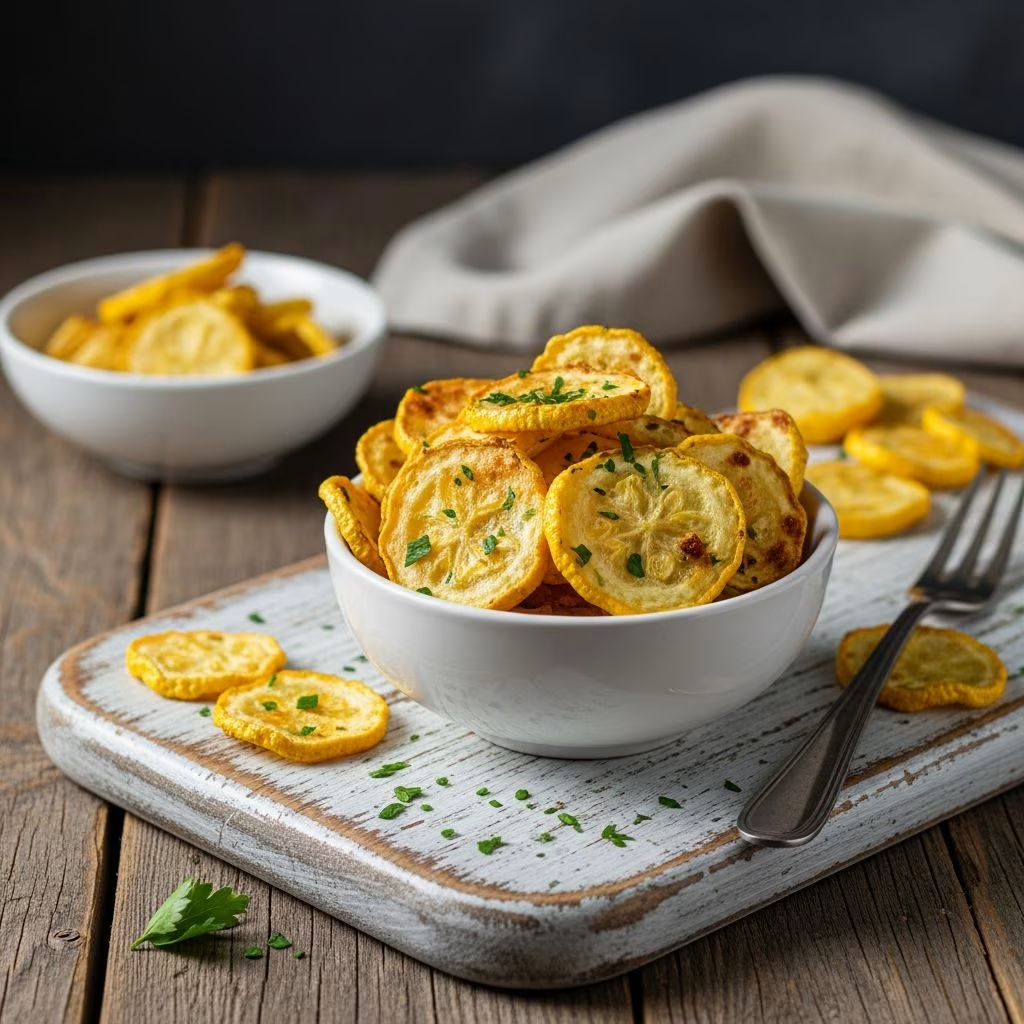
Yellow squash is a versatile summer vegetable that transforms beautifully when cooked in an air fryer. This cooking method creates a delightful contrast between the crispy exterior and tender interior without requiring traditional deep frying. The process is straightforward enough for beginners yet flexible enough for experienced cooks to experiment with flavors.
Understanding Yellow Squash as an Air Fryer Ingredient
Yellow squash, also known as summer squash, is a nutrient-dense vegetable that cooks quickly due to its high water content. When air fried, the rapid circulation of hot air removes moisture from the outer surface while keeping the flesh tender. This characteristic makes it an ideal candidate for air fryer preparation, as the vegetable reaches the perfect texture without becoming mushy or overly dried out.
Selecting the right squash variety matters when preparing this dish. Small-to-medium yellow squash tend to work best, as they have thinner skin and fewer seeds than larger varieties. Avoid oversized specimens, which often contain excess moisture and larger seed cavities that can affect the final texture. Look for firm squash with unblemished skin and a bright yellow color, which indicates freshness and optimal flavor.
Preparation Techniques for Optimal Results
The foundation of successful air fryer yellow squash begins with proper preparation. Start by rinsing the squash under cool running water and using a gentle brush to remove any soil. Pat the squash completely dry with paper towels, as excess moisture can interfere with browning and create undesirable texture issues.
Slicing thickness significantly impacts cooking results and texture outcomes. Recommendations across various cooking methods suggest slicing yellow squash between 1/4 inch and 3/4 inch thick, depending on your preferred final texture. Thinner slices, around 1/4 inch, will cook faster and develop crispier edges, while thicker slices maintain a firmer interior and cook more evenly throughout. Some cooks prefer lengthwise cuts that create larger pieces, while others favor round slices for more uniform cooking.
For those seeking a whole-squash approach, smaller specimens can be cooked intact in the air fryer. This method requires longer cooking times but produces beautiful presentation-worthy results. When cooking whole squash, ensure adequate spacing in the air fryer basket to allow hot air to circulate completely around each piece.
Essential Temperature and Timing Guidelines
Temperature consistency is crucial for achieving the desired results with air fryer yellow squash. Most recipes recommend preheating the air fryer to between 380°F and 450°F, with 400°F serving as the standard sweet spot for balanced cooking. The choice of temperature depends on your air fryer model, the thickness of your squash slices, and your preferred browning level.
Cooking duration typically ranges from 5 to 20 minutes, varying based on multiple factors including slice thickness, air fryer capacity, and how crowded the basket is. Thin slices may finish in as little as 5 to 8 minutes, while thicker pieces might require 12 to 15 minutes for optimal tenderness. Whole squash requires the longest cooking time, often needing 20 to 25 minutes until fork-tender.
Preheating provides a significant advantage for this recipe. Starting the cooking process with an already-hot air fryer helps create an immediate exterior crust while preventing the interior from becoming excessively mushy. This technique is particularly valuable if you prefer squash with a bit of firmness rather than a completely soft texture.
Basic Seasoning and Oil Application Methods
While yellow squash can be prepared with minimal seasoning to highlight its natural flavor, adding oil and salt forms the foundation of most air fryer preparations. Olive oil, avocado oil, or neutral cooking oils all work effectively. A light coating of approximately 2 teaspoons of oil for two medium squash provides enough moisture for browning without creating an overly greasy final product.
For the most basic preparation, toss sliced squash with oil, salt, and freshly ground black pepper before air frying. This minimalist approach allows the natural vegetable flavor to shine through while the air fryer’s dry heat intensifies sweetness and creates textural contrast.
Proper coating technique ensures even distribution of oil and seasonings. Place squash slices in a bowl, drizzle with oil, add seasonings, and toss gently but thoroughly. Some cooks prefer mixing oil and seasonings first to create a light sauce before combining with the squash. This approach prevents dry spots and ensures every slice receives adequate seasoning.
Advanced Flavoring Combinations and Variations
Building on the basic preparation, numerous seasoning combinations enhance yellow squash while complementing various dinner themes. Garlic powder paired with Parmesan cheese creates a savory profile that resonates with Italian-inspired meals. Adding dried Italian seasoning, oregano, and basil further develops this Mediterranean direction.
For those seeking Cajun or Southern-influenced flavors, incorporating cornmeal creates a traditional breaded texture reminiscent of fried squash. This approach involves dredging squash slices in seasoned bread crumbs and cornmeal mixture after dipping in egg and buttermilk. While this method requires additional preparation steps, it produces a more substantial side dish with deeper visual appeal.
Fresh herb options provide bright, garden-fresh elements to the finished dish. Parsley, dill, chives, and cilantro can be sprinkled over finished squash immediately before serving, adding visual interest and aromatic qualities. These garnishes work best added after cooking to preserve their delicate flavors.
Basket Arrangement and Air Circulation Management
The arrangement of squash pieces within the air fryer basket directly affects cooking uniformity and browning success. Avoiding overlapping ensures maximum hot air exposure to each individual slice. Stagger pieces whenever possible, allowing visible gaps that enable air circulation around all surfaces.
When cooking multiple batches or working with fuller baskets, plan to shake or redistribute the contents halfway through cooking. This simple step prevents uneven browning and ensures consistent results throughout the batch. Open the air fryer basket, gently shake or toss the squash, and return to cooking for the remaining time.
Understanding your specific air fryer model’s capacity prevents overcrowding issues. Most standard air fryers accommodate two medium-sized squash sliced into rounds or half-length pieces. Resist the temptation to maximize basket space, as proper air circulation outweighs quantity advantages. Less crowded baskets consistently produce superior browning and texture.
Identifying Doneness and Texture Development
Recognizing when yellow squash reaches optimal doneness requires observation and familiarity with your preferences. Visual cues include light browning or slight charring on the exterior surfaces and golden coloration along the edges. Texture testing involves piercing a slice with a fork—properly cooked squash should offer slight resistance but yield easily without mushiness.
Underdone squash appears pale with a noticeably firm, almost raw texture that lacks caramelized flavor. Overdone squash becomes excessively soft, potentially collapsing when handled or appearing overly wrinkled on the surface. The ideal result balances crispy or browned exteriors with tender but structurally intact interiors.
Different thickness levels cook at different rates, so checking for doneness by visual inspection works better than strict time adherence. Start checking thin slices around 5 minutes, medium slices at 8 minutes, and thicker pieces at 12 minutes. This approach prevents both undercooked and overcooked results.
Storage and Reheating Methods
Properly stored air fryer yellow squash remains safe and palatable for several days. Allow cooked squash to cool to room temperature before transferring to an airtight container. Refrigeration extends storage life up to four days, though texture quality gradually diminishes as stored squash absorbs moisture from the air.
Freezing cooked squash is possible but not ideal, as the vegetable’s high water content causes cellular breakdown during thawing, resulting in mushier texture. If freezing becomes necessary, store pieces in a single layer on a baking sheet before transferring to freezer bags, which minimizes ice crystal formation.
Reheating stored squash restores crispiness effectively using the air fryer method. Place refrigerated pieces in the air fryer basket at 400°F for 3 to 5 minutes until warm throughout and surfaces recrisp. This approach outperforms microwave reheating, which tends to create undesirably soft, steamed texture.
Complementary Serving Suggestions
Air fryer yellow squash works as a versatile side dish across numerous meal types. Its mild flavor pairs excellently with grilled chicken, baked fish, or vegetarian grain bowls. The vegetable’s subtle sweetness balances richly seasoned main courses while its tender-crisp texture contrasts appealing with soft or creamy dishes.
Consider serving alongside other air-fried vegetables like zucchini, bell peppers, or asparagus for a complete vegetable course. Mix varieties in the air fryer basket, accounting for different cooking times by adding slower-cooking items first. This creates visually appealing and nutritionally complete plates with minimal preparation effort.
Summer gatherings benefit from prepared squash, which remains appetizing at room temperature or after brief reheating. Serve in large platters garnished with fresh herbs, grated cheese, or a drizzle of balsamic glaze for elevated presentation that belies simple preparation.
Troubleshooting Common Issues
Recognizing and preventing common air fryer squash problems ensures consistent success. Excessive mushiness indicates overcooking or too-thin slicing combined with high heat. Remedy this by reducing cooking time incrementally or increasing slice thickness for future batches.
Pale, non-browned squash often results from inadequate oil coating or overcrowded basket conditions. Ensure thorough oil distribution by tossing slices thoroughly before cooking, and avoid stacking pieces. If browning remains inadequate despite these adjustments, increase air fryer temperature by 15 to 25 degrees.
Uneven cooking across a batch suggests basket arrangement issues or temperature inconsistencies. Verify that air fryer vents remain clear of obstructions, practice the halfway-through tossing technique, and consider rearranging pieces to less-used air fryer areas that may cook faster.
Frequently Asked Questions
Can I prepare yellow squash ahead of time for air frying?
Yes, you can slice yellow squash several hours ahead. Store sliced pieces in a covered bowl in the refrigerator. Before cooking, pat the squash dry again to remove any accumulated moisture, then proceed with your chosen seasoning and cooking method. Moisture accumulation can inhibit browning, so this drying step remains important.
What oil works best for air fryer yellow squash?
Any neutral oil with a smoke point above 400°F works well. Olive oil, avocado oil, and vegetable oil are popular choices. Olive oil offers appealing flavor contributions, while avocado oil provides a cleaner taste profile. Use approximately 1 to 2 tablespoons per two medium squash for optimal browning without excessive greasiness.
How do I achieve maximum browning on yellow squash?
Browning depends on adequate oil coating, proper air circulation from uncrowded basket arrangement, sufficient cooking temperature, and adequate cooking duration. Ensure squash pieces don’t overlap, coat thoroughly with oil, maintain at least 400°F temperature, and allow sufficient time for external caramelization. Halfway through cooking, redistribute basket contents for even browning.
Is preheating necessary for air fryer yellow squash?
While not absolutely required, preheating significantly improves results by creating an immediate high-heat environment that produces crispier exteriors and more even cooking. Preheating typically requires 3 to 5 minutes. This extra investment pays dividends in texture quality and browning consistency.
Can whole squash be cooked without slicing?
Yes, whole small-to-medium yellow squash can be cooked intact. Halve lengthwise, coat with oil and seasonings, arrange cut-side up, and cook at 400°F for 15 to 25 minutes until fork-tender. Whole squash presentation appeals to some, though sliced pieces cook more quickly and evenly due to increased surface area exposure to hot air.
References
- USDA FoodData Central: Summer Squash (Yellow) — U.S. Department of Agriculture. https://fdc.nal.usda.gov/
- Air Fryer Cooking Techniques and Temperature Guidelines — Appliance Manufacturers Association. https://www.aham.org/
- Food Safety Guidelines for Vegetable Storage and Preparation — FDA Center for Food Safety and Applied Nutrition. https://www.fda.gov/food/