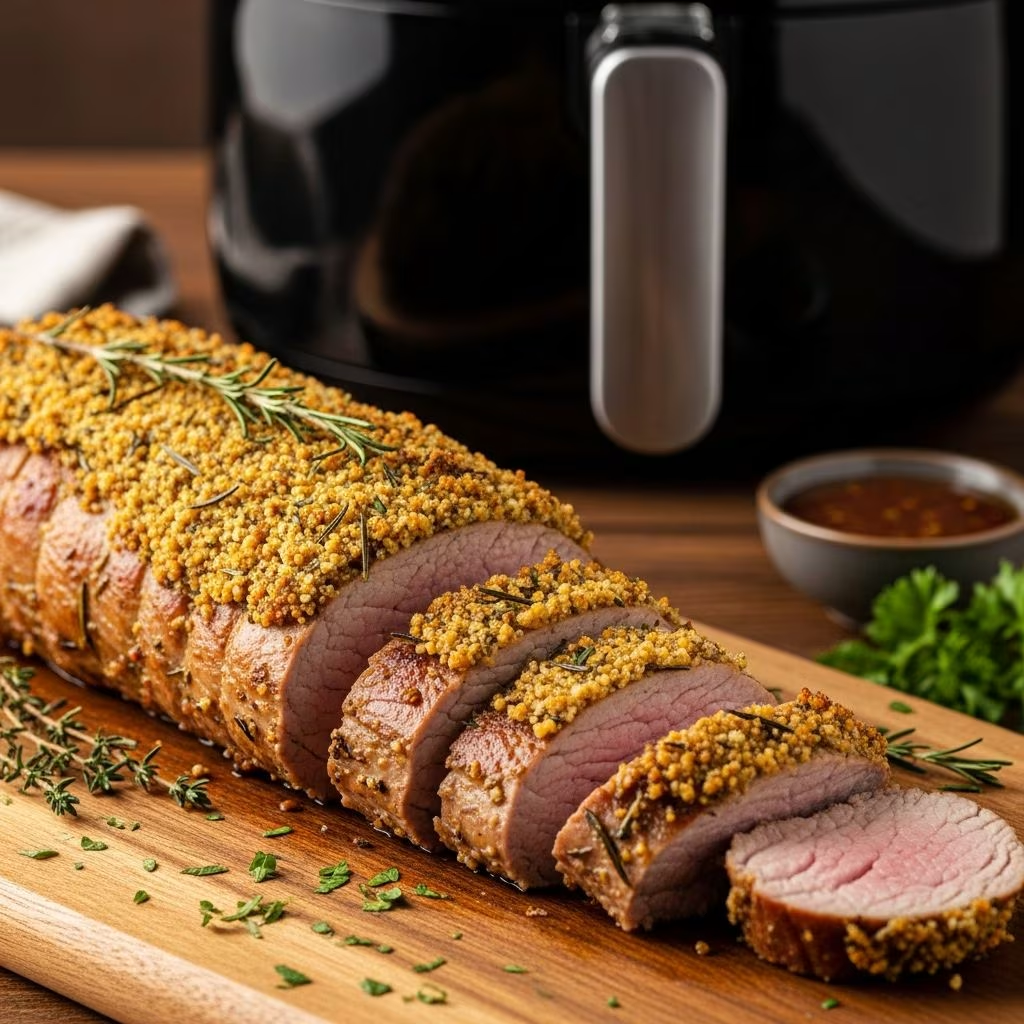
Cooking pork tenderloin in an air fryer transforms a traditionally challenging cut into a tender, succulent centerpiece that requires minimal effort and delivers exceptional results. The air fryer’s circulating heat creates an ideal cooking environment for this lean protein, locking in moisture while developing a flavorful crust. Unlike conventional oven methods that can dry out this delicate meat, air frying maintains internal juiciness while the rapid air circulation ensures even cooking throughout.
This approach has become increasingly popular for home cooks seeking weeknight solutions that rival restaurant-quality dishes. The cooking time typically ranges from 16 to 25 minutes depending on the cut’s thickness and your air fryer model, making this an efficient choice for busy schedules. Understanding the fundamental techniques and timing variations will empower you to produce consistent, impressive results every time you prepare this dish.
Understanding Your Cut: Selecting the Right Pork Tenderloin
The pork tenderloin represents one of the most tender cuts available from pork, though it remains among the leanest options. This characteristic makes it inherently prone to drying out during cooking, which is precisely why the air fryer proves ideal—the moist heat environment prevents moisture loss while cooking the exterior to perfection.
When selecting your pork tenderloin, look for cuts weighing between 1 and 2 pounds. Smaller tenderloins cook more evenly and quickly, while larger ones may require slightly extended cooking times or strategic placement in your air fryer basket. The meat should display a pale pink color with minimal surface fat. Before cooking, take time to remove the silver skin—a thin, translucent membrane that runs along the surface—using a sharp knife held at a slight angle. This membrane prevents seasonings from penetrating and creates an unpleasant texture when cooked.
Essential Preparation Steps Before Air Frying
Proper preparation sets the foundation for successful cooking. Begin by patting your pork tenderloin completely dry using paper towels. This step enhances browning by removing surface moisture that would otherwise interfere with crust development. Once dry, systematically remove any excess fat and the silver skin using a sharp knife, working carefully to preserve as much meat as possible.
After trimming, bring the pork to room temperature by allowing it to rest on the counter for 15 to 20 minutes. This seemingly minor step dramatically improves cooking consistency, as room-temperature meat cooks more evenly than cold meat pulled directly from refrigeration. Cold centers and overcooked exteriors become far less likely when you’ve allowed adequate time for temperature equalization.
Creating Flavor Through Seasoning Approaches
Two primary seasoning philosophies yield exceptional results: dry rubs applied immediately before cooking and liquid marinades requiring advance preparation.
Dry Rub Method
The dry rub approach offers maximum convenience for spontaneous meals. Combine complementary spices in a small bowl, then apply directly to your prepared pork. Effective dry rubs typically incorporate sweetness through brown sugar or honey, smokiness from paprika, and aromatic depth from garlic and onion powders. Additional complexity emerges from chili powder, oregano, cumin, or dried thyme, depending on your flavor preferences.
After applying the dry rub, lightly coat the seasoned meat with olive oil—approximately one-half to one tablespoon. This oil helps the spices adhere to the meat while promoting browning. Some cooks prefer creating a paste by combining the oil and spices before application, ensuring even distribution and maximum flavor adherence. This method requires no advance planning and delivers results within 30 minutes from start to serving.
Marinade Method
For deeper flavor development, marinating offers superior complexity. Combine olive oil with soy sauce, Dijon mustard, minced garlic, brown sugar, and seasonings. Place your prepared pork tenderloin and marinade in a food-safe plastic bag, ensuring the meat becomes fully coated. Refrigerate for a minimum of 30 minutes, though up to five days yields increasingly pronounced flavor. This extended marinating period allows enzymatic and osmotic processes to tenderize the meat further while infusing flavors throughout its structure.
Air Fryer Temperature and Timing Guidelines
Success depends on understanding your specific air fryer’s characteristics, as models vary considerably in air circulation patterns and heating intensity. Most recipes recommend preheating to either 380°F or 400°F, with most cooks achieving superior results at the higher temperature.
Preheat your air fryer for a minimum of five minutes—ten minutes proves even better for temperature stability. Once preheated, carefully place your seasoned pork tenderloin into the basket, arranging it so it doesn’t touch the heating element or basket edges. Depending on your air fryer’s interior dimensions, you may need to bend the tenderloin slightly or cut it in half to ensure proper fit and even air circulation.
At 400°F, cooking typically requires 16 to 22 minutes for a 1.5-pound tenderloin, with flipping halfway through the process. At 380°F, expect cooking times of 18 to 24 minutes. The critical factor is reaching an internal temperature of 145°F at the thickest point—the safe temperature for pork according to food safety guidelines. Use an instant-read meat thermometer inserted horizontally into the center of the meat, being careful not to touch bone or the air fryer surfaces.
The Resting Period: Why It Matters
After removing your cooked pork from the air fryer, resist the urge to slice immediately. Allow the meat to rest for a minimum of five minutes—ideally closer to ten—on a cutting board. During this resting phase, internal muscle fibers relax and reabsorb flavorful juices that have migrated toward the surface during cooking. Cutting prematurely releases these precious juices onto the cutting board rather than retaining them within the meat, resulting in a drier final product.
Flavor Variations and Customization Options
| Flavor Profile | Key Spices | Additional Ingredients |
|---|---|---|
| Smoky Southwestern | Chili powder, smoked paprika, cumin | Brown sugar, garlic powder, onion powder |
| Italian-Inspired | Oregano, dried basil, Italian seasoning | Garlic, lemon juice, olive oil |
| Asian-Influenced | Garlic powder, ginger | Soy sauce, Dijon mustard, brown sugar |
| Mediterranean | Oregano, thyme, rosemary | Lemon zest, garlic, olive oil |
| Spiced and Sweet | Cinnamon, paprika, chili powder | Brown sugar, garlic, cumin |
The beauty of pork tenderloin lies in its versatility—its mild flavor profile welcomes diverse seasoning combinations. Southwestern-inspired rubs featuring chili powder and cumin create bold, warming flavors ideal for pairing with Mexican-influenced sides. Italian seasonings with oregano, basil, and garlic complement traditional Mediterranean serving options. For Asian-inspired preparations, soy sauce and Dijon mustard create umami-rich depth that pairs beautifully with sesame-crusted vegetables or ginger-scented rice dishes.
Serving Suggestions and Complementary Sides
Sliced pork tenderloin integrates seamlessly into numerous meal contexts. Arrange medallions alongside roasted vegetables such as Brussels sprouts, asparagus, or broccoli for a vegetable-forward plate. Starch-based accompaniments like creamy mashed potatoes, wild rice pilaf, or herbed orzo provide satisfying balance to the lean protein.
For lighter preparations, serve over mixed greens with a dijon vinaigrette or alongside Mediterranean-inspired salads featuring olives, feta cheese, and fresh tomatoes. Sliced pork also performs excellently in sandwiches or grain bowls the following day, making this recipe conducive to meal preparation strategies.
Troubleshooting Common Challenges
Unevenly Cooked Meat
Uneven cooking typically results from inadequate preheating, inconsistent air circulation due to basket crowding, or failure to flip the meat halfway through cooking. Ensure your air fryer reaches full temperature before adding the pork, and maintain space around the meat for proper air flow. Flipping halfway through promotes balanced browning and even heat exposure.
Overcooked or Dry Results
Pork becomes dry when cooked beyond 145°F internal temperature. Check temperature frequently during the final minutes of cooking, as air fryers heat rapidly and can easily overshoot your target. Some models run hotter than others, so initial experimentation helps calibrate your personal cooking time expectations.
Inadequate Browning
If your pork lacks a golden crust despite reaching proper internal temperature, ensure the meat was completely dry before cooking and properly coated with oil. Verify your air fryer basket and heating element are clean, as residue can interfere with heat transfer. Some recipes suggest increasing temperature to 420°F for the final few minutes to enhance browning.
Adapting Recipes for Different Air Fryer Models
Air fryer performance varies significantly based on wattage, interior volume, and air circulation design. Smaller basket models may require cutting tenderloins in half or using slightly shorter cooking times, while larger convection-style air fryers might need extended cooking periods. When trying a recipe for the first time, check internal temperature at the lower end of the suggested time range, then adjust accordingly based on results.
Document your cooking times and adjustments for future reference, creating a personal guide tailored to your specific equipment. This practice eliminates guesswork and ensures increasingly consistent results over time.
Make-Ahead and Storage Strategies
Pork tenderloin accepts marinades up to five days in advance, making this dish ideal for meal planning. Prepare marinated pork on Sunday evening, then air fry any evening throughout the week for minimal weeknight effort. Cooked pork tenderloin stores safely in airtight containers for three to four days in the refrigerator, making it excellent for next-day lunch applications.
Sliced cooked pork maintains better texture and moisture than whole pieces when stored, so slice after cooking if you plan to store leftovers. Reheat gently in a 325°F oven for five to ten minutes just before serving, preventing further drying during the reheating process.
Frequently Asked Questions
Can I cook a frozen pork tenderloin in an air fryer?
While frozen cooking is theoretically possible, thawing in the refrigerator overnight yields superior results. Frozen meat requires extended cooking times and often develops an overcooked exterior before the interior reaches the proper temperature. Thawing ensures even cooking throughout.
Should I use parchment paper in my air fryer?
Parchment paper facilitates cleanup without affecting cooking quality. Ensure holes remain unblocked so air circulates properly. Some cooks prefer skipping parchment for maximum browning potential, accepting the modest cleanup challenge.
What’s the maximum pork tenderloin size for air fryer cooking?
Most air fryers accommodate tenderloins up to 2 pounds comfortably. Larger cuts may require cutting in half or extended cooking times. Check your specific air fryer’s basket dimensions for accurate guidance.
Can I cook multiple tenderloins simultaneously?
Two smaller tenderloins may fit in larger capacity air fryers if they don’t touch each other or heating elements. Cooking time may increase slightly. Ensure adequate space for proper air circulation around both pieces.
Is 145°F the only safe temperature for pork?
Current U.S. Department of Agriculture guidelines recommend 145°F as the safe minimum internal temperature for pork, representing a significant change from earlier recommendations. This temperature produces meat that remains slightly pink internally while ensuring pathogenic elimination.
References
- Safe Minimum Internal Temperature Chart — U.S. Department of Agriculture Food Safety and Inspection Service. Last updated 2024. https://www.fsis.usda.gov/food-safety/safe-food-handling-and-preparation/food-safety-basics/safe-minimum-internal-temperature-chart
- Pork From Farm to Table — U.S. Department of Agriculture MyPlate. https://www.myplate.gov/eat-healthy/protein-foods/pork
- Air Fryer Cooking Times vs Oven — Foodess Culinary Reference. https://foodess.com/air-fryer-cooking-times-vs-oven