Air frying has revolutionized home cooking, offering a faster and healthier alternative to traditional deep frying while delivering the crispy texture we crave. When it comes to chicken wings, this cooking method proves particularly effective, transforming ordinary poultry into restaurant-quality appetizers or main dishes. The key to exceptional results lies in understanding how to properly prepare the wings and apply complementary seasonings that enhance natural flavors without overwhelming the palate.
Understanding the Foundation: Selecting and Preparing Your Wings
The journey toward perfectly cooked wings begins long before they enter your air fryer. Selecting fresh, high-quality chicken wings ensures optimal texture and flavor development during cooking. When you bring wings home, proper preparation is essential for achieving that coveted crispiness that distinguishes excellent wings from mediocre ones.
Begin by thoroughly patting your chicken wings dry using paper towels. This step cannot be overstated—moisture is the enemy of crispiness. The drier your wings are before cooking, the more effectively the air fryer’s circulating heat can render the skin and create that golden, crunchy exterior. Some home cooks prefer to let wings sit uncovered in the refrigerator for an hour or even overnight, allowing surface moisture to evaporate naturally.
If you’re working with whole wings, consider cutting them into drumettes and flats. This preparation step allows for more even cooking and makes the wings easier to handle and serve. Remove any wing tips, as these bony pieces contribute little meat and can overcook before the meatier sections finish cooking.
Crafting the Perfect Dry Rub Blend
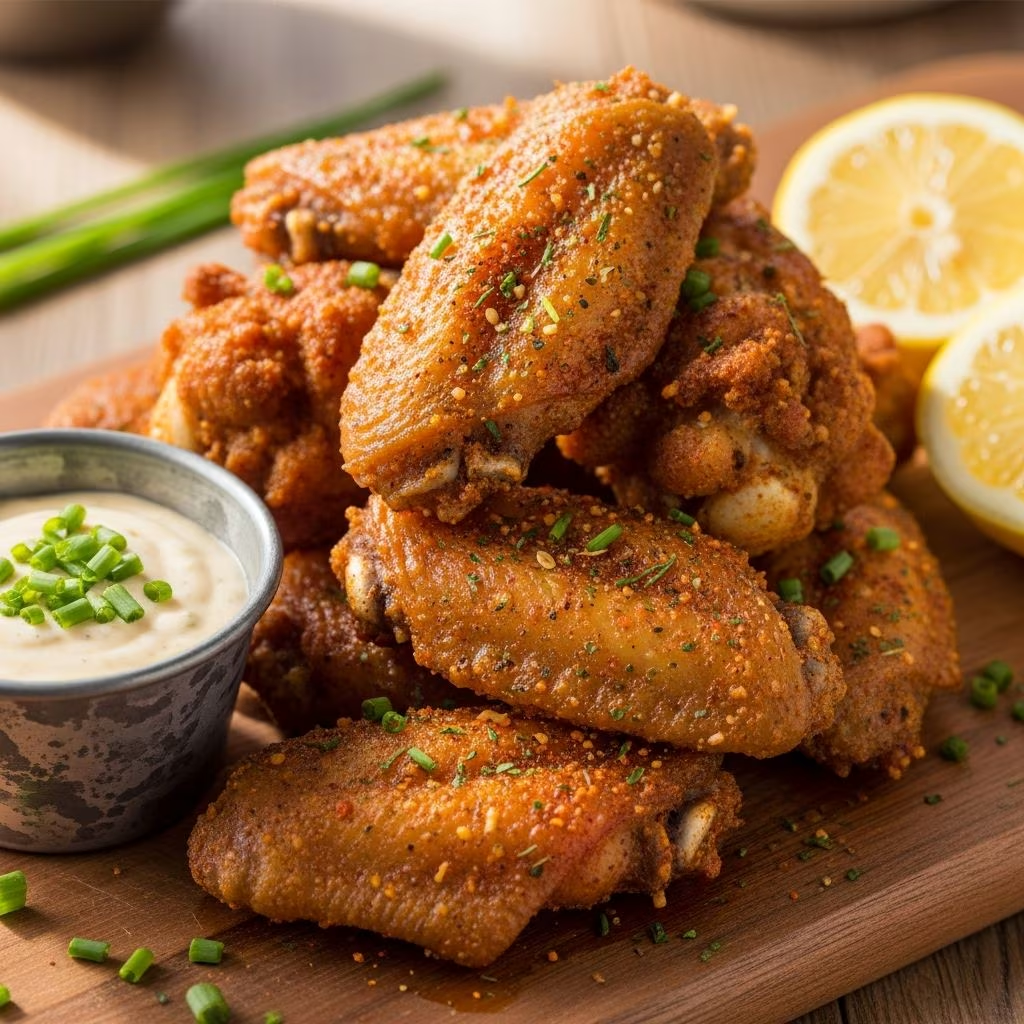
The magic of air-fried wings resides in the dry rub—a carefully balanced combination of spices that adheres to the wing’s surface and develops into a flavorful crust during cooking. Unlike liquid sauces that drip away or create soggy textures, dry rubs create a concentrated layer of seasoning that intensifies through the cooking process.
Essential Components of a Winning Rub
A foundational dry rub typically incorporates several categories of seasonings, each serving a specific purpose:
- Salt and Pepper: These base elements enhance natural flavors and facilitate proper seasoning penetration. Kosher salt, with its larger crystals, distributes more evenly than table salt.
- Garlic and Onion Powder: These aromatic ingredients provide umami depth and savory complexity that elevates the overall taste profile without requiring fresh garlic or onion pieces.
- Paprika Varieties: Smoked paprika adds subtle smokiness reminiscent of traditional barbecue, while sweet paprika contributes mild sweetness and appealing color development.
- Heat Elements: Chili powder or cayenne pepper introduces warmth and complexity, creating a more interesting flavor journey on the palate.
- Sweet Notes: A small amount of brown sugar balances heat and salt while promoting browning through the Maillard reaction—the chemical process that creates appetizing color and complex flavors.
- Optional Additions: Dried oregano, thyme, or Italian seasoning can add Mediterranean flair, while ground ginger introduces subtle spice depth.
Proportions and Customization
Most effective dry rub recipes maintain a ratio of approximately 2 tablespoons of salt to 1 tablespoon each of garlic powder, onion powder, and paprika, with smaller quantities of additional spices. This formula provides enough seasoning for roughly 2 pounds of wings without overwhelming the chicken’s natural flavor. However, personal preferences should guide your adjustments—if you prefer bolder heat, increase cayenne; if you like sweeter notes, add slightly more brown sugar.
The Critical Preparation Phase
Once your wings are dry and your rub is mixed, it’s time to bring them together. Place your prepared wings in a large mixing bowl and drizzle with a small amount of oil—approximately one tablespoon per pound of wings. Avocado oil, olive oil, or even a light cooking spray works well. The oil serves two purposes: it helps the dry rub adhere more effectively to the wing surface and promotes more even browning throughout the cooking process.
Add your dry rub mixture to the oiled wings and toss thoroughly, ensuring every piece receives an even coating. Use your hands to work the seasoning into crevices and folds where the spices can fully develop flavor during cooking. Some cooks prefer to refrigerate seasoned wings for 30 minutes to an hour before air frying, allowing the flavors to set and meld more completely.
Air Fryer Settings and Temperature Mastery
Achieving optimal results requires understanding your specific air fryer model and its heating characteristics. Most air fryers perform exceptionally well at 400°F (200°C) for chicken wings, though some recipes suggest temperatures as low as 390°F or as high as 425°F depending on desired crispiness and cooking speed.
Temperature and Timing Considerations
| Temperature (°F) | Cooking Time | Best For |
|---|---|---|
| 390-395 | 20-25 minutes | More even cooking, less risk of burning |
| 400 | 15-20 minutes | Standard method, balanced results |
| 410-425 | 12-18 minutes | Maximum crispiness, requires closer monitoring |
Preheating your air fryer for 3-5 minutes ensures the cooking chamber reaches optimal temperature before wings enter. This step promotes immediate, even heat application and supports consistent browning.
Proper Basket Arrangement for Uniform Cooking
How you arrange wings in your air fryer basket significantly impacts cooking results. Place wings in a single layer with skin-side up, ensuring adequate space between pieces for hot air circulation. Overcrowding the basket restricts airflow, leading to uneven cooking and inadequate crisping. If your air fryer basket cannot accommodate all wings in a single layer without touching, cook in two batches rather than compromising results.
Consider positioning wings with their meatier sections toward the basket’s perimeter where heat is typically most intense, reserving the center for thinner or smaller pieces. This arrangement minimizes the likelihood of larger wings remaining undercooked while smaller pieces overcook.
Monitoring and Flipping for Optimal Results
Most recipes recommend flipping wings midway through cooking—typically at the 10-12 minute mark for standard 20-minute recipes. This practice ensures the underside develops equivalent crispiness to the top side. Additionally, flipping redistributes rendered fat and seasonings, promoting more even browning.
At approximately 20 minutes of total cooking time, begin checking for doneness. The wings should display golden-brown skin, and an instant-read thermometer inserted into the thickest part should register 165°F (74°C), confirming the meat has reached a safe internal temperature. If wings have not reached desired crispiness, continue cooking in 2-3 minute increments, checking frequently to prevent burning.
Understanding the Science of Wing Texture
The crispiness you achieve in an air fryer results from moisture evaporation and fat rendering combined with the Maillard reaction—a chemical process between amino acids and reducing sugars that creates complex flavors and appealing brown colors. The initial drying step removes surface moisture that would otherwise create steam and prevent crispiness. The small amount of oil facilitates browning reactions, while the air fryer’s rapidly circulating hot air efficiently removes additional moisture and fat during cooking.
The dry rub’s sugar component (typically brown sugar or the natural sugars in paprika) contributes significantly to browning and crust formation. As these sugars caramelize under heat, they create additional layers of flavor and visual appeal beyond what seasonings alone could provide.
Flavor Variations and Regional Inspirations
While the classic dry rub offers reliable, crowd-pleasing results, numerous variations can customize your wings to specific tastes or themes:
- Louisiana Cajun: Combine smoked paprika, cayenne pepper, dried thyme, dried oregano, and black pepper for an authentic bayou flavor profile.
- Spicy Heat-Seekers: Increase cayenne pepper, add ground ginger, and incorporate a touch of garlic salt for intensity.
- Mediterranean Inspiration: Emphasize dried oregano and thyme while reducing heat spices for a gentler, herb-forward approach.
- Sweet and Smoky: Increase brown sugar content and use predominantly smoked paprika for wings that appeal to those preferring less heat.
Serving and Storage Recommendations
Remove cooked wings from the air fryer basket using tongs to prevent inadvertently burning yourself on hot metal surfaces or excess rendering fat. Allow wings to rest for 3-5 minutes after cooking—this brief resting period lets juices redistribute and allows the exterior to set slightly, maintaining crispiness longer than if served immediately.
Serve wings plain to highlight the dry rub’s seasoning, or pair with complementary dipping sauces such as ranch dressing, barbecue sauce, or spicy yogurt mixtures that won’t compromise the crispy exterior. Leftovers can be refrigerated in airtight containers for up to four days and reheated in the air fryer at 350°F for 5-7 minutes to restore crispiness.
Troubleshooting Common Issues
Wings Not Crispy Enough: Ensure wings were thoroughly dried before cooking, don’t overcrowd the basket, and verify air fryer temperature accuracy with an oven thermometer.
Wings Burning on Edges: Lower cooking temperature slightly, reduce cooking time, or reposition wings to ensure more even heat exposure.
Uneven Cooking: Check that wings are in a single layer with adequate space between pieces and consider flipping more frequently or rotating wings’ positions midway through cooking.
Frequently Asked Questions
Can I use frozen wings in my air fryer?
Yes, though cooking time will increase by approximately 5-10 minutes. Ensure wings are not clumped together, and pat away excess surface moisture before applying seasoning.
How do I know if my air fryer temperature is accurate?
Use an oven thermometer placed in the basket during preheating to verify your air fryer’s temperature calibration. Many home models drift from intended temperatures over time.
Can I prepare wings in advance?
Absolutely. Season wings up to 24 hours ahead and store refrigerated in an airtight container. Cook when ready, though you may need to add 1-2 minutes to the cooking time if starting from cold.
References
- USDA Food Safety Guidelines for Poultry — U.S. Department of Agriculture. 2023. https://www.usda.gov/our-agency/food-safety
- The Science of Cooking: Understanding the Maillard Reaction — Scientific American. 2023. https://www.scientificamerican.com/
- Air Fryer Cooking Techniques and Best Practices — Good Housekeeping Institute. 2024. https://www.goodhousekeeping.com/