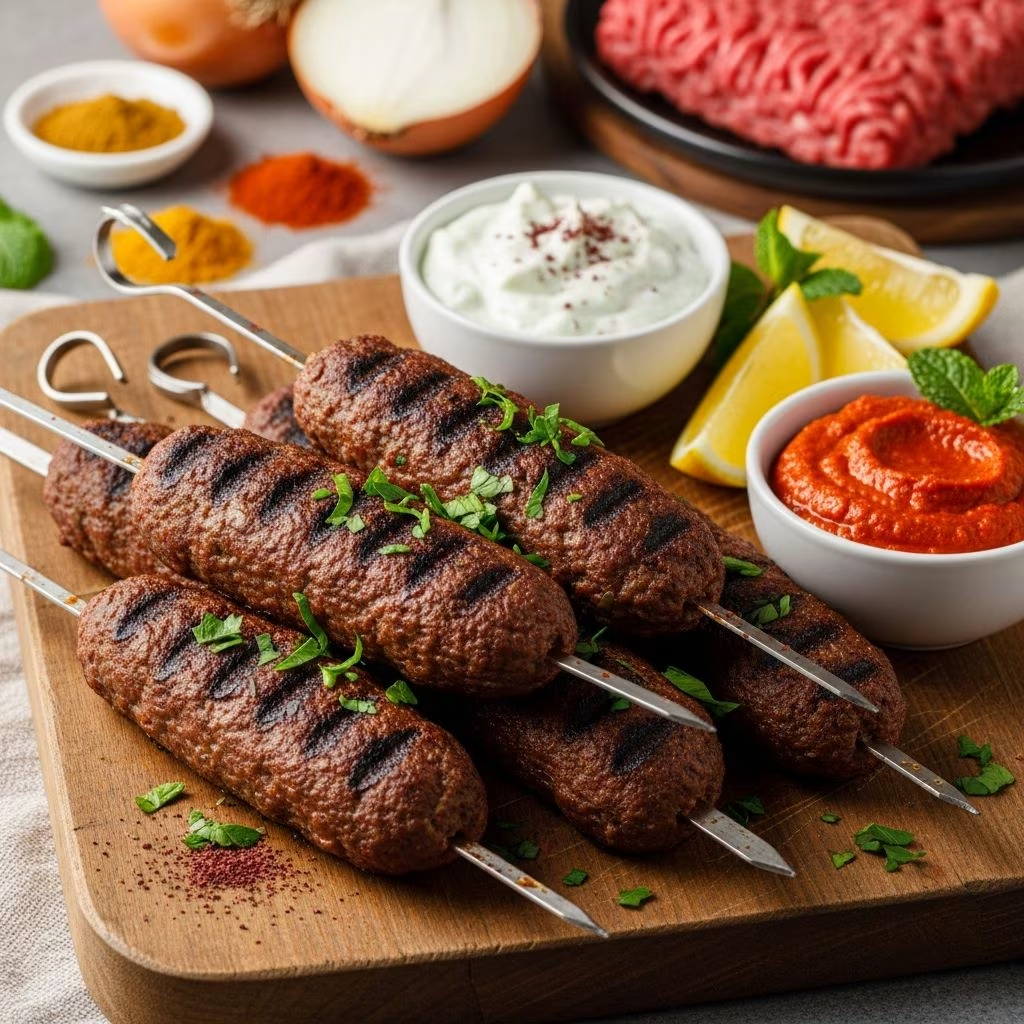
The air fryer has revolutionized how home cooks approach traditional recipes from around the globe. One dish that translates remarkably well to this modern cooking method is beef kofta kabobs, a beloved staple of Middle Eastern cuisine. These flavorful meat patties, infused with aromatic spices and fresh herbs, can now be prepared in a fraction of the time it takes to grill them outdoors. Whether you’re planning a weeknight family dinner or impressing guests at a gathering, air-fried beef kofta offers a convenient yet authentic cooking experience.
Understanding Beef Kofta: Origins and Composition
Kofta kabobs represent a culinary tradition spanning centuries across the Levantine region, North Africa, and Central Asia. The dish consists of seasoned ground meat—traditionally beef or lamb—mixed with aromatic spices, fresh herbs, and sometimes breadcrumbs for binding. The mixture is formed into elongated patties or balls and traditionally cooked over charcoal or open flames. The result is a dish with a caramelized exterior and juicy, tender interior bursting with Mediterranean and Middle Eastern flavors.
The beauty of kofta lies in its versatility. While regional variations exist, the fundamental approach remains consistent: combine quality meat with carefully selected seasonings and herbs, then cook using high heat to develop the characteristic crust. The air fryer method preserves these traditional qualities while offering modern convenience.
Essential Ingredients for Authentic Beef Kofta
Creating exceptional beef kofta begins with understanding each ingredient’s role in developing flavor and texture. Here are the foundational components:
- Ground Beef: Select meat with at least 20% fat content to maintain moisture and tenderness during cooking. Leaner cuts can result in dry kofta, so the fat ratio is crucial for achieving restaurant-quality results.
- Onion: Finely diced or pulsed onion adds sweetness, moisture, and binding properties. Some recipes recommend squeezing excess moisture from grated onion to prevent the mixture from becoming too wet.
- Fresh Herbs: Parsley and mint are traditional choices, providing bright, fresh notes that balance the richness of beef and earthiness of spices.
- Garlic: Minced fresh garlic contributes pungent, savory depth that elevates the overall flavor profile.
- Spice Blends: Cumin, cinnamon, allspice, seven spice, paprika, and nutmeg create the characteristic warm, complex flavor of Middle Eastern kofta.
- Salt and Pepper: Essential seasonings that enhance all other flavors and ensure proper seasoning throughout.
- Binding Agents: Some recipes incorporate cornflour or breadcrumbs to help the mixture hold together during cooking.
Preparation Techniques for Maximum Flavor
The manner in which you combine and prepare the kofta mixture significantly impacts the final product’s texture and moisture retention. Begin by gathering all ingredients and allowing them to reach room temperature, which facilitates even mixing and seasoning distribution.
Mixing Methods: You have two primary options for combining ingredients. The first involves using a food processor to pulse ingredients until the mixture becomes smooth and cohesive. This method thoroughly incorporates all components and creates a more uniform texture. The alternative approach uses manual mixing with your hands or a spoon, which provides tactile feedback and prevents overmixing that can result in dense, tough kofta.
Critical Mixing Consideration: Regardless of your chosen method, avoid overmixing once the meat combines with seasonings and binders. Excessive mixing develops gluten structure in any breadcrumb component and can compress the meat, resulting in dense rather than light kabobs. Mix just until ingredients are evenly distributed and the mixture becomes slightly sticky for proper binding.
Pre-Cooking Chilling: After forming kofta into your desired shape, refrigerating the mixture for 15-30 minutes allows it to rest and firm up, making handling easier and helping retain moisture during the air frying process. This step proves particularly valuable when forming multiple kofta or when working in a warm kitchen.
Shaping and Forming Your Kofta Kabobs
The shape of your kofta affects both cooking time and final appearance. Traditional kofta can be formed into several shapes, each with distinct advantages:
- Oblong Patties: The classic elongated shape that resembles traditional kebabs. This form provides a good surface-area-to-thickness ratio for even cooking.
- Meatball Shape: Spherical kofta cook slightly more evenly throughout and are easier to portion uniformly.
- Sausage Links: Long, thin cylindrical shapes that cook quickly and present attractively on serving platters.
When shaping your kofta, consistency matters. Divide the meat mixture into equal portions—typically four to six pieces depending on desired size—and form each portion by hand. Press and shape gently without excessive compression. Your fingers should remain slightly moistened with water to prevent sticking, but avoid adding so much moisture that the mixture becomes difficult to work with.
Air Frying Techniques and Temperature Guidelines
Air frying provides superior heat circulation compared to traditional oven cooking, resulting in crispier exteriors while maintaining juicy centers. Most beef kofta cook successfully at temperatures between 350°F and 400°F (177°C to 204°C), with cooking times ranging from 10 to 18 minutes depending on size and air fryer model.
Temperature Recommendations: Lower temperatures around 350°F produce gently cooked, evenly heated kofta with less browning, ideal if you prefer a softer exterior. Mid-range temperatures of 370-380°F offer a balanced approach, developing moderate browning while ensuring the interior cooks through without drying. Higher temperatures near 400°F create deeper browning and crispier surfaces for those preferring bolder texture contrasts.
Basket Preparation: Light olive oil spray on the basket prevents sticking, though beef’s natural fat content often provides sufficient lubrication. Avoid overcrowding the basket—arrange kofta in a single layer without overlapping to ensure hot air circulates freely around each piece. Depending on your air fryer’s size and kofta dimensions, you may need to cook in batches.
Cooking Process: Place prepared kofta in the preheated air fryer basket and set the timer for your chosen duration. Many recipes recommend turning kofta halfway through cooking to ensure even browning on all sides. This simple step takes mere seconds but significantly improves appearance and develops crust uniformity.
Doneness Testing and Food Safety
Properly cooked beef kofta reaches an internal temperature of 145°F (63°C), the USDA-recommended safe internal temperature for ground beef. Using an instant-read meat thermometer inserted into the thickest portion of a kofta provides the most reliable doneness indicator. Visual cues—such as brown exterior and firm texture when pressed—supplement thermometer readings but shouldn’t replace them.
When first learning your specific air fryer’s cooking patterns, check kofta at the midpoint of the recommended cooking time. This allows you to assess browning progress and adjust remaining time accordingly. As you gain familiarity with your appliance, you’ll develop intuition for optimal cooking durations.
Flavor Enhancement and Glazing Options
While properly seasoned beef kofta requires no additional embellishment, finishing glazes add visual appeal and flavor complexity. A simple glaze of tomato paste mixed with honey and spices, brushed onto kofta during the final cooking minutes, creates glossy, caramelized surfaces. Yogurt-based glazes with garlic and lemon provide tangy brightness. Pomegranate molasses mixed with olive oil and sumac offers authentic Middle Eastern complexity.
Apply glazes conservatively—typically in the final 3-5 minutes of cooking—to prevent burning. Brush them directly onto kofta surfaces using a small pastry brush or spoon, turning occasionally for even coating.
Serving Suggestions and Accompaniments
The versatility of air-fried beef kofta extends to presentation and serving options. Traditional accompaniments include:
- Tzatziki sauce: A cooling yogurt-based dip with cucumber, dill, and garlic that balances kofta’s rich flavors
- Pita bread: Warm pockets for creating handheld sandwiches
- Fresh salads: Crisp cucumber-tomato combinations or fattoush salad with pomegranate vinaigrette
- Hummus: Creamy chickpea dip providing additional texture contrast
- Pickled vegetables: Turnips, onions, or chilies adding acidic brightness
- Rice pilaf: Fragrant grain sides infused with herbs and spices
Storage and Make-Ahead Strategies
Air-fried beef kofta stores well when properly handled. Cooked kofta maintains quality in the refrigerator for 3-4 days when stored in airtight containers. Freezing extends storage to approximately 2 months, allowing you to prepare kofta in advance for quick meals.
For maximum convenience, prepare the meat mixture days ahead, storing it covered in the refrigerator. When ready to cook, simply form kofta and proceed with air frying. This approach eliminates the most time-consuming preparation steps, reducing cooking time to under 20 minutes total.
Troubleshooting Common Issues
Dry Kofta: Insufficient fat content in meat or overcooking typically causes this issue. Select 80/20 beef rather than leaner cuts, avoid exceeding recommended cooking times, and ensure internal temperature reaches exactly 145°F rather than higher.
Loose Mixture: Ground meat mixture that falls apart indicates insufficient binding. Verify proper mixing technique, ensure sufficient salt and any breadcrumb binders are incorporated, and consider refrigerating the mixture longer before forming.
Uneven Browning: Varying kofta sizes and inconsistent basket placement cause spotty browning. Form uniform-sized pieces and arrange them in a single layer without touching.
Bland Flavor: Undertasted kofta typically results from insufficient seasoning or using old, flavorless spices. Taste the raw mixture before cooking and adjust seasonings accordingly, and replace spices annually to maintain potency.
Frequently Asked Questions
What’s the difference between kofta and kebab?
While the terms are sometimes used interchangeably, kebab refers to grilled meat on skewers, while kofta specifically denotes ground meat mixture shaped into patties or balls. Air fryer kofta doesn’t require skewers but maintains the traditional seasoning and preparation methods.
Can I use ground lamb instead of beef?
Absolutely. Ground lamb creates authentic Middle Eastern kofta with slightly different flavor profiles—richer and more gamey than beef. Many recipes successfully use lamb or a 50/50 beef-lamb combination. Cooking times remain similar regardless of meat choice.
Do I need to use skewers in an air fryer?
Skewers aren’t necessary for air fryer kofta. Simply form the mixture into patties or meatballs and place directly in the basket. Skewers can be used if desired, but provide no cooking advantage in the air fryer environment.
How can I make kofta less spicy?
Reduce or eliminate hot spices like chili flakes and cayenne pepper. You can also decrease the quantity of black pepper and cumin, which provide heat alongside other flavors. Increase milder spices like cinnamon and nutmeg for warmth without intensity.
What’s the best way to reheat leftover kofta?
Place refrigerated kofta in the air fryer at 350°F for 5-7 minutes to restore crispiness without drying them further. Alternatively, reheat gently in a microwave, though this produces softer textures.
Alternative Cooking Methods
While air frying offers modern convenience, beef kofta cooks successfully using traditional methods. Oven baking at 350°F requires 25-30 minutes for thoroughly cooked kofta. Grilling over medium heat produces authentic charred exteriors in approximately 6 minutes per side for medium doneness, offering optimal flavor development for those with outdoor grilling access. Pan-searing in a skillet over medium-high heat creates excellent crust while taking only 10-12 minutes total.
Air frying occupies the middle ground between these methods, offering speed approaching stovetop cooking while developing crust superior to oven baking and requiring no special outdoor equipment like traditional grilling.
References
- Air Fryer Kofta Kebab – No-Grill Middle Eastern Beef Kofta Recipe — Travelling Foodie. Accessed 2026-04-09. https://travellingfoodie.net/air-fryer-kofta-kebab/
- Ground Beef Storage and Safety Guidelines — United States Department of Agriculture Food Safety and Inspection Service. Updated 2024. https://www.fsis.usda.gov/food-safety/safe-food-handling-and-preparation/meat