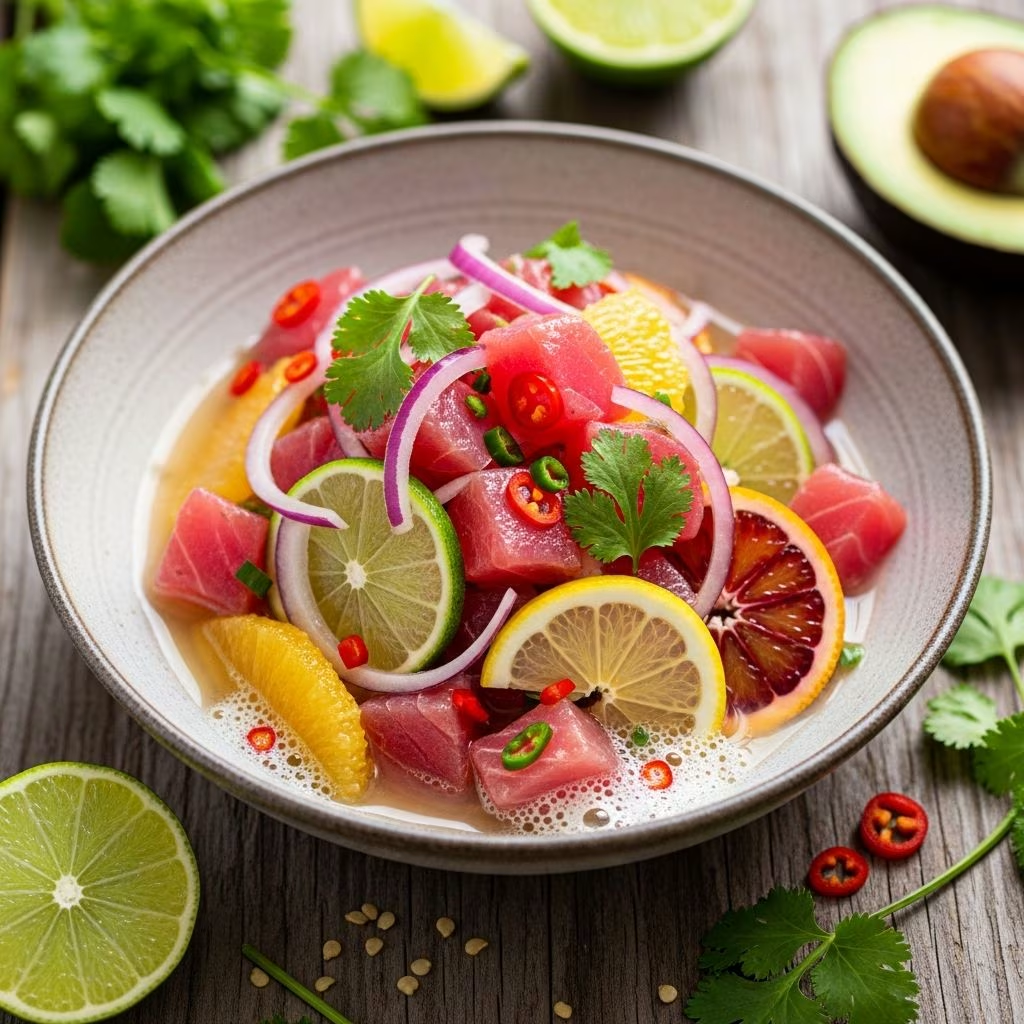
Tuna ceviche represents one of the most elegant and straightforward seafood preparations you can master in your kitchen. This bright, refreshing dish combines the delicate nature of raw fish with the zesty brightness of citrus juice, creating a harmonious balance that appeals to both seafood enthusiasts and those new to raw fish cuisine. The beauty of this preparation lies not in complex techniques, but in the quality of ingredients and understanding how to combine them thoughtfully.
Understanding the Foundation of Quality Ceviche
The success of your tuna ceviche begins before you even start cooking. Since this dish showcases raw fish, sourcing becomes paramount to both flavor and food safety. Ahi tuna, also known as yellowfin tuna, stands as the premier choice for ceviche preparations. The firm texture and mild, slightly sweet flavor profile make it ideal for this application. When selecting your tuna, look for steaks that display a vibrant deep red or pink color, indicating freshness. The flesh should be firm to the touch and completely free of any ammonia-like odor.
Work closely with your fishmonger, explicitly stating your intention to prepare ceviche. This communication ensures they source appropriately handled fish that meets sushi-grade standards. If fresh ahi tuna proves unavailable, frozen tuna steaks that have been properly thawed overnight in your refrigerator offer a reliable alternative. Many quality frozen options are flash-frozen at peak freshness, making them excellent choices when fresh selections are limited.
Essential Ingredients That Define the Dish
While tuna serves as the star ingredient, the supporting cast of flavors and textures elevates ceviche from simple to extraordinary. Each component contributes distinct qualities that, when combined thoughtfully, create a sophisticated appetizer.
- Fresh Citrus Juice: Lime juice forms the acidic base that essentially “cooks” the raw tuna through the denaturing process. Fresh-squeezed lime juice surpasses bottled alternatives significantly, offering superior brightness and complexity. The acidity breaks down the proteins in the fish, transforming the translucent raw flesh into opaque, firm pieces with a cooked-like texture.
- Aromatics and Alliums: Red onion, garlic, and green onions provide pungent, sharp notes that cut through the richness of the tuna. Thinly slicing these ingredients ensures they don’t overwhelm the delicate fish. The onion’s natural sweetness balances nicely against the tartness of the citrus.
- Fresh Herbs: Cilantro brings an herbaceous quality that brightens the entire dish. Fresh parsley offers a milder herbal component that complements without dominating. These herbs should be added just before serving to preserve their vibrant color and fresh taste.
- Heat Elements: Jalapeño or serrano peppers introduce controlled heat and fruity undertones. Remove seeds if you prefer milder spice levels, as seeds concentrate the pepper’s heat. For those seeking additional complexity, sriracha or quality hot sauce creates an Asian-inspired variation.
- Textural Components: Diced avocado adds creamy richness that contrasts beautifully with the firm tuna. Cucumber provides refreshing crispness and textural variety. Some preparations include diced tomatoes or mango for sweetness and additional texture.
- Umami Boosters: Soy sauce and sesame oil deepen the flavor profile considerably. These additions work particularly well when you desire an Asian-influenced interpretation. Toasted sesame seeds contribute nutty undertones and visual appeal.
- Oil and Seasoning: Extra virgin olive oil rounds out the flavors and adds richness. Quality salt and fresh cracked pepper allow you to fine-tune the seasoning just before serving.
Preparation Techniques That Ensure Success
Proper preparation techniques transform raw ingredients into a cohesive, restaurant-quality dish. The process begins with careful knife work and progresses through thoughtful assembly and timing.
Cutting and Preparing the Tuna
Using a sharp knife, cut your tuna into uniform ½-inch cubes. Consistent sizing ensures even “cooking” during the marinating process. Some preparations benefit from flash-freezing the tuna for one hour before cutting, which firms the flesh and makes precise cuts easier. Others prefer cutting immediately after removing the fish from refrigeration. Both approaches yield excellent results depending on your personal preference and the tuna’s initial firmness.
Building Your Marinade
Rather than adding all components simultaneously, consider building your marinade in stages. Begin by combining your lime juice with salt and tuna pieces. This initial step allows the acid to begin its transformative work on the fish. After 10-15 minutes, add the onion and cucumber, which benefit from brief marinating to develop flavor while maintaining their crispness. Reserve more delicate ingredients like avocado, cilantro, and tender herbs for the final moments before serving, preserving their vibrant qualities and preventing mushiness.
Marinating Duration and Temperature
Marinating time dramatically influences the final texture and flavor intensity. For ahi tuna specifically, aim for 30 minutes to one hour of marination. During this window, you’ll observe the tuna’s transformation from bright pink to lighter pink with slightly opaque edges. The fish firms up considerably while remaining tender and succulent. Marinating longer than two hours risks making the tuna tough and overly acidified. Always maintain refrigeration throughout the marinating process to ensure food safety and preserve freshness.
Flavor Variations Worth Exploring
While the classic preparation remains timeless, numerous variations allow creative expression while maintaining ceviche’s essential character.
Asian-Inspired Interpretation
Incorporate soy sauce, sriracha, and toasted sesame oil into your marinade base. Replace cilantro with fresh mint or keep it but reduce quantity. Add sliced green onions and sesame seeds for authentic finishing touches. This version pairs beautifully with crispy wonton chips or seaweed crackers rather than traditional tortilla chips.
Tropical Variation
Introduce fresh mango, diced papaya, or pineapple chunks alongside traditional vegetables. The natural sweetness of tropical fruits complements the tuna beautifully and adds visual vibrancy. A splash of fresh orange juice mixed with lime creates a more complex citrus profile. This version celebrates warmer climates and summer entertaining.
Mediterranean Approach
Emphasize fresh parsley over cilantro, incorporating diced tomatoes, Kalamata olives, and perhaps a touch of feta cheese. While purists might debate cheese in ceviche, small amounts add Mediterranean flair. Use white wine vinegar or fresh lemon juice alongside lime for different acidity notes.
Serving Strategies and Presentation
How you present your tuna ceviche significantly impacts the dining experience. The dish can be served as an elegant appetizer, light lunch, or part of a seafood-focused menu.
Vessel and Accompaniment Options
Serve ceviche directly in the marinating bowl for casual gatherings, or transfer to a wide, shallow plate for more formal presentations. Provide an array of accompaniments allowing guests to customize their experience:
- Tortilla chips or plantain chips for hearty carriers
- Water crackers or rice crackers for subtle flavor support
- Crispy wonton strips or seaweed chips for Asian-influenced menus
- Tostadas or crostini for Italian-inspired variations
Spoon Service
For elegant plating, arrange small spoonfuls on serving spoons or crispy chip bases. Layer components thoughtfully—start with a chip or seaweed base, top with tuna ceviche mixture, and garnish with cilantro leaf or sesame seed. This presentation style works beautifully for cocktail parties and special occasions.
Temperature and Timing
Ceviche should always be served chilled. Prepare it no more than 2-3 hours before serving to preserve ingredient freshness and prevent over-marination. If preparing ahead, store components separately and assemble just before presentation for optimal texture and color.
Nutritional Considerations and Benefits
Beyond its culinary appeal, tuna ceviche offers impressive nutritional benefits. Ahi tuna provides substantial high-quality protein, supporting muscle development and satiety. The dish delivers omega-3 fatty acids, particularly EPA and DHA, which support cardiovascular and cognitive health. Lime juice contributes vitamin C, while fresh herbs and vegetables add fiber, vitamins, and minerals. The modest amount of added oil keeps fat content moderate while providing beneficial monounsaturated fats. This makes ceviche an excellent choice for health-conscious entertaining.
Food Safety and Storage Guidelines
Working with raw fish requires attention to food safety principles. Purchase only sushi-grade tuna from reputable fishmongers who understand proper handling procedures. Store tuna at 32°F or below until preparation time. Prepare ceviche using clean equipment and surfaces. Consume within 2-3 hours of preparation for optimal safety and quality. Never leave prepared ceviche at room temperature for extended periods. Pregnant individuals, young children, elderly persons, and those with compromised immune systems should consult healthcare providers before consuming raw fish preparations.
Troubleshooting Common Challenges
Even experienced home cooks occasionally encounter issues. Understanding solutions prevents disappointment:
- Overly Firm or Tough Tuna: Reduce marinating time on your next attempt, or use higher quality, fresher tuna that doesn’t require extended marination.
- Watery Ceviche: Dice vegetables uniformly to control moisture release. Reserve avocado and other high-water ingredients until final assembly. Consider draining excess liquid before serving.
- Insufficient Flavor: Extend marinating time slightly, ensuring adequate salt and fresh lime juice. Add more cilantro or adjust heat level to your preference.
- Browning or Oxidation: Tuna naturally oxidizes after exposure to air and marinating. This affects appearance but not safety if prepared properly. Minimize preparation time and serve promptly to preserve color.
Pairing Suggestions for Complete Meals
While ceviche shines as a standalone appetizer, thoughtful pairings enhance entertaining menus. Pair with crisp white wines like Sauvignon Blanc or Pinot Grigio that complement citrus notes. Light beers or refreshing sparkling beverages also work beautifully. Follow ceviche with lighter main courses—grilled fish, seafood pasta, or fresh salads prevent guests from feeling overly full. For casual gatherings, accompany ceviche with additional seafood appetizers, fresh fruit, and antipasto selections.
Frequently Asked Questions
Can I use other fish species for ceviche?
While ahi tuna is ideal, other sushi-grade options work beautifully. White fish requires shorter marinating times (20-30 minutes). Halibut, sea bass, and flounder all create excellent ceviches. Avoid oily fish like mackerel or salmon, which overwhelm ceviche’s delicate balance.
Is ceviche actually “cooked” by lime juice?
The acid denatures protein structures similarly to heat, creating textural changes that simulate cooking. However, this is not true cooking in the microbiological sense. The acidity alone does not guarantee elimination of harmful bacteria, underscoring the importance of using sushi-grade fish from reputable sources.
How far ahead can I prepare ceviche?
Prepare components separately up to several hours ahead. Assemble the final dish no more than 2-3 hours before serving to preserve ingredient quality and prevent over-marination.
What if I’m uncomfortable with raw fish?
Some people prefer lightly marinating fish until firmer. Increase marinating time to 2 hours for texture more closely approximating traditional cooking. Alternatively, enjoy the vegetable components as a salsa accompanying cooked fish or seafood.
References
- Ahi Tuna Ceviche Recipe — Amy Casey Cooks. Accessed April 2026. https://amycaseycooks.com/tuna-ceviche/
- Tuna Ceviche: Fresh, Authentic & Complete Guide — Two Purple Figs. Accessed April 2026. https://www.twopurplefigs.com/tuna-ceviche/
- Tuna Ceviche Recipe — Vindulge. Accessed April 2026. https://www.vindulge.com/ahi-tuna-ceviche/
- Ahi Tuna Ceviche — Sizzlefish. Accessed April 2026. https://www.sizzlefish.com/blogs/ahi-tuna/ahi-tuna-ceviche
- Tuna Ceviche Recipe — Sitka Seafood Market. Accessed April 2026. https://sitkaseafoodmarket.com/blogs/culinary/recipes/tuna-ceviche