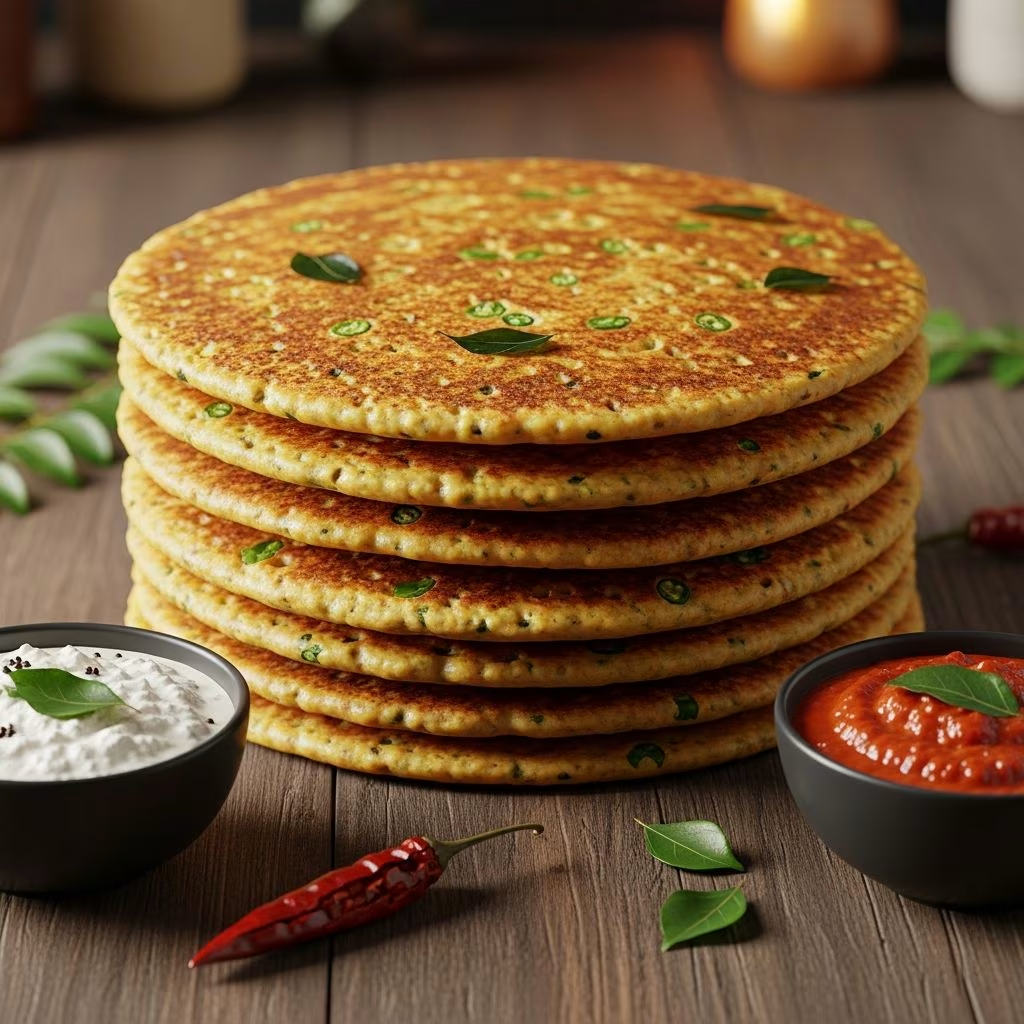
Adai dosas stand out in South Indian cuisine as robust, flavorful crepes made from a blend of rice and multiple lentils. Unlike traditional dosas that require lengthy fermentation, adai batter is ready to use after soaking and grinding, making it ideal for busy mornings or impromptu meals. Originating from Tamil Nadu, these golden-hued pancakes deliver a crispy exterior with a soft interior, infused with spices that create a spicy, aromatic profile.
The Roots and Appeal of Adai in Modern Kitchens
Adai traces its heritage to the fertile culinary traditions of Tamil Nadu, where lentils and rice form the backbone of everyday eating. This dish embodies resourcefulness, combining affordable staples into a satisfying, nutrient-dense food. Its popularity spans generations because it skips fermentation, yet offers comparable texture and taste to fermented dosas. Families appreciate adai for its versatility—served at breakfast, as a snack, or even dinner—paired with tangy chutneys or vegetable stews.
What elevates adai beyond a simple pancake is its inherent nutritional value. The mix of dals provides complete proteins, essential for vegetarians seeking muscle repair and sustained energy. Rice adds carbohydrates for quick fuel, while spices like cumin and chilies boost digestion and metabolism. In today’s health-conscious world, adai aligns perfectly with demands for gluten-free, high-fiber meals that don’t compromise on taste.
Essential Ingredients for Authentic Adai Batter
Crafting the perfect adai starts with selecting the right proportions of grains and legumes. A balanced batter relies on these core components:
- Rice: ¾ to 1 cup of short-grain or parboiled varieties like idli rice or sona masuri for optimal crispiness.
- Chana dal: ¼ cup, lending a nutty flavor and firm texture.
- Toor dal: ¼ cup, contributing earthiness and tenderness.
- Urad dal: 2 tablespoons, for subtle binding without overpowering.
- Moong dal: Optional 2 tablespoons, enhancing lightness and flavor.
Flavor builders include 4-5 dried red chilies for heat, ¾-1 inch ginger for zing, ¾-1 teaspoon cumin seeds for aroma, and a pinch of asafoetida (hing) to aid digestion. Fresh additions like finely chopped onions (2-3 tablespoons), cilantro (2 tablespoons), and curry leaves elevate each bite. Salt to taste and oil or ghee for cooking complete the lineup.
| Ingredient | Quantity | Role |
|---|---|---|
| Rice | ¾ cup | Structure and crispiness |
| Mixed Dals | ¾ cup total | Protein and texture |
| Red Chilies | 4-5 | Spice and color |
| Ginger & Cumin | 1 inch & 1 tsp | Aroma and digestion |
Step-by-Step Guide to Preparing Adai Batter
Begin by rinsing rice and dals thoroughly under running water to remove impurities. Soak them together with red chilies in ample water for 3-4 hours, or overnight for deeper flavor infusion. This step softens the grains, ensuring a coarse grind that yields crispy results.
Drain the soak water and transfer to a blender. Add ginger and cumin first, pulsing with ¼ cup fresh water to a thick, coarse paste—aim for a texture where grains are broken but visible when rubbed between fingers. Gradually incorporate dals, adding water sparingly to maintain thickness. The final batter should pour like thick pancake mix, coating a spoon without dripping excessively.
Rest the batter covered for 2-4 hours at room temperature. This optional step allows flavors to meld, intensifying the spice profile without fermentation. Before cooking, stir in onions, cilantro, hing, and salt. Adjust consistency with water: thinner for lacy edges, thicker for hearty pancakes.
Perfect Cooking Techniques for Golden Adai
Heat a seasoned cast-iron or non-stick tawa over medium flame. Smear with oil using a tissue for even distribution. Pour a ladleful of batter from the center, spreading gently with the ladle’s back into a 6-8 inch circle. Adai spreads less smoothly than dosa batter due to its coarseness—patience is key.
Drizzle 1 teaspoon oil around the edges. Cook 2-3 minutes until the bottom crisps to golden brown and edges lift easily. Flip and cook the other side 1-2 minutes. For extra crunch, press down with a spatula to ensure even browning. Stack cooked adai on a plate lined with kitchen towel to absorb excess oil.
Tips for Success:
- Use medium heat to prevent burning.
- Avoid overcrowding onions to ensure spreadability.
- Experiment with ghee for richer flavor.
- Keep batter refrigerated up to 2 days for batch cooking.
Nutritional Profile and Health Advantages
One adai dosa (about 100g) packs roughly 200-250 calories, with 10-12g protein from lentils, 30g carbs from rice, and 5-7g fiber for gut health. It’s naturally vegan, gluten-free, and rich in iron from dals, combating anemia common in plant-based diets. Spices like turmeric (if added) and cumin provide anti-inflammatory benefits, while ginger supports immunity.
Compared to regular dosas, adai offers superior protein diversity due to multiple dals, making it a complete meal. Studies on South Indian diets highlight such lentil-rice combos for balanced amino acids, vital for vegetarians. Customize with veggies like grated carrots or spinach for added vitamins without altering tradition.
Creative Variations to Elevate Your Adai Game
While classic adai shines solo, innovations keep it exciting. Try Kara Adai with extra chilies and curry leaves for bold heat. For a milder version, incorporate moong dal heavily and reduce chilies. Vegetable Adai mixes in finely chopped cabbage, carrots, or moringa leaves, boosting fiber and color.
Podi Adai coats the batter with spicy lentil powder for double crunch. Sweet tooths can drizzle jaggery syrup post-cooking, though savory reigns supreme. Regional twists include Kerala-style with coconut gratings or Andhra versions with garlic.
Classic Pairings and Serving Suggestions
Adai pairs best with coconut chutney, its creamy sweetness balancing spice. Avial—a yogurt-based veggie curry—adds tang and volume. Quick tomato-onion chutney or sambar works for dunking. Serve with a side of filtered coffee for an authentic Tamil breakfast spread.
For meals, accompany with raita or pickle. Kids enjoy mini adais with cheese topping, bridging tradition and modernity.
Frequently Asked Questions (FAQs)
Can I make adai batter without soaking?
No, soaking 3-4 hours is crucial for grindability and digestibility.
Why is my adai sticking to the pan?
Ensure the tawa is hot and well-oiled; use cast-iron for best release.
Is fermentation required for adai?
Unlike dosa, no—use immediately or rest briefly.
How long does adai batter last?
2-3 days in fridge; stir before use.
Can adai be made gluten-free?
Yes, inherently so with rice and dals.
Troubleshooting Common Adai Pitfalls
Soggy adai? Batter too thin—thicken and cook longer. Cracking while spreading? Coarseness is normal; use less water. Bland taste? Amp up chilies, cumin, or hing. Burnt edges? Lower heat and spread thinly.
References
- Golden Delicious Adai — Holy Cow! Vegan Recipes. 2023-05-15. https://holycowvegan.net/golden-delicious-adai/
- Adai Recipe | Adai Dosa — Swasthi’s Recipes. 2024-02-10. https://www.indianhealthyrecipes.com/adai-recipe-adai-dosa/
- Kara Adai | Adai Dosa — Cookilicious. 2023-08-20. https://cookilicious.com/kara-adai-recipe/