Understanding the Appeal of Minimal-Ingredient Desserts
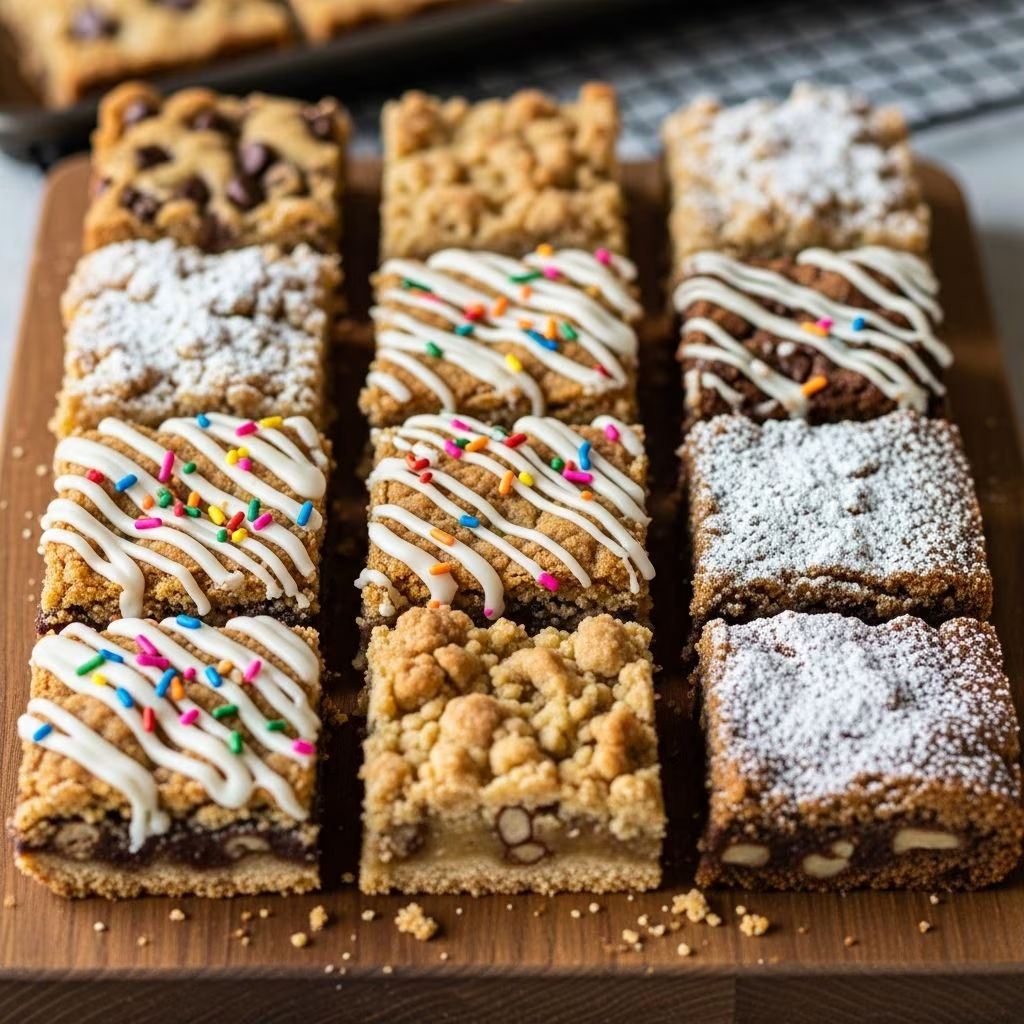
Modern baking has evolved beyond complicated recipes requiring extensive ingredient lists and multiple mixing steps. Bar cookies featuring just six primary components represent a significant shift toward accessibility and simplicity in home baking. These desserts have captured the imagination of both novice and experienced bakers alike, primarily because they eliminate the guesswork and reduce preparation time dramatically.
The beauty of this approach lies in its fundamental philosophy: quality ingredients combined through intelligent layering create depth of flavor without requiring culinary expertise. Rather than relying on complex techniques or unusual components, these bars depend on the natural complementary properties of their ingredients to produce exceptional results. This democratization of baking means that anyone, regardless of skill level, can produce restaurant-quality treats in their own kitchen.
The Foundation: Understanding Your Core Ingredients
Each ingredient in a six-ingredient bar cookie serves a specific, non-negotiable purpose. Understanding the role of each component helps bakers make informed substitutions and appreciate why the formula works so effectively.
The Binding Agent: Butter
Butter serves as the foundational binder that holds everything together. Typically, recipes call for between 6 tablespoons to 1 stick (113 grams) of melted butter, which creates a cohesive base layer. The melted state allows the butter to distribute evenly across the pan without requiring additional mixing. For those with dietary restrictions, plant-based alternatives perform admirably, offering comparable binding properties while accommodating vegan preferences.
The Base Structure: Graham Crackers or Oats
A sturdy foundation prevents the finished bars from becoming structurally unstable. Graham cracker crumbs provide a classic, mild-flavored base that doesn’t compete with other ingredients. Alternatively, quick-cooking rolled oats offer a slightly heartier texture and additional nutritional value. When using graham crackers, crushing approximately 10 to 10.5 sheets yields about 1.5 cups of crumbs—the standard quantity for an 8×8 or 9×9 inch baking dish.
The Textural Elements: Nuts and Coconut
Incorporating toasted nuts introduces crucial crunchiness that contrasts beautifully with creamy layers. Popular choices include pecans, walnuts, and roasted cashews, each contributing distinct flavor profiles. Unsweetened or lightly sweetened shredded coconut adds tropical notes and creates additional textural complexity. Using unsweetened varieties prevents the bars from becoming excessively sweet, as the condensed milk provides substantial sweetness throughout.
The Richness: Chocolate and Sweetened Condensed Milk
Semi-sweet chocolate chips constitute the indulgent component that transforms these bars into a dessert rather than a snack. A 12-ounce package (approximately 2 cups) distributed across the layers ensures chocolate presence in every bite. The true “magic” ingredient, however, remains the sweetened condensed milk. This ingredient creates a cohesive, fudgy interior that binds layers while simultaneously providing caramel-like sweetness and creaminess.
Layer Assembly: The Art of Strategic Stacking
The layering sequence determines the final texture profile and ensures even distribution of flavors. Unlike traditional cookies requiring mixing and portioning, these bars come together through careful, methodical layering—no bowl mixing required.
Step-by-Step Assembly Process
- Preheat your oven to 350 degrees Fahrenheit
- Line an 8×8 or 9×9 inch baking dish with parchment paper for easy removal
- Distribute melted butter evenly across the parchment-lined dish
- Sprinkle crushed graham cracker crumbs or oats uniformly over the butter
- Add coconut shreds in an even layer
- Distribute half of your chocolate chips across the coconut
- Spread nuts evenly across the chocolate layer
- Top with remaining chocolate chips
- Pour sweetened condensed milk slowly and evenly, using a rubber spatula to distribute gently
The critical instruction: do not mix these layers. Each component should remain distinct until baking transforms them into a unified whole. Mixing prematurely disrupts the layering structure and can result in uneven texture distribution throughout the finished bars.
Baking Perfection: Temperature, Time, and Doneness
Baking requires precision to achieve ideal results. Temperature consistency directly impacts whether the bars develop proper texture—too hot and the edges brown excessively while interiors remain underdone; too cool and the condensed milk never fully sets.
Monitoring During Baking
Bake bars for 26 to 30 minutes, watching carefully for visual cues indicating doneness. The edges should transition from pale to a light golden brown, while the top develops a gentle bronze coloration. The bars are ready when the condensed milk has set sufficiently to hold shape but remains slightly tender when cooled. Underbaking results in excessively soft, messy bars that fall apart; overbaking produces dry, brittle textures lacking the desired fudgy quality.
Cooling and Cutting: Patience Yields Better Results
Removing bars from the oven too early in the cooling process leads to falling-apart disasters. Complete cooling—preferably for several hours at room temperature—allows the condensed milk to firm up and bind all layers together firmly. Some bakers refrigerate finished bars for additional stability, which facilitates cleaner cutting.
When ready to portion, use a sharp knife and wipe the blade between cuts to prevent sticking. Cold bars cut more cleanly than room-temperature ones, making refrigeration a worthwhile final step before serving.
Customization Strategies: Making These Bars Your Own
The basic six-ingredient formula provides remarkable flexibility for creative adaptation while maintaining the essential structure and baking chemistry.
Nut Substitutions and Combinations
| Primary Ingredient | Substitution Option | Flavor Profile Change |
|---|---|---|
| Pecans | Walnuts or almonds | Slightly more bitter, earthier tone |
| Cashews | Macadamia nuts or pistachios | Richer, more luxurious taste |
| Single nut variety | Mixed nuts combination | Complex, layered nut flavors |
Chocolate Variations
Semi-sweet chocolate represents the standard, but experimentation opens interesting possibilities. Dark chocolate chips provide deeper, more sophisticated flavor for those preferring less sweetness. White chocolate chips create unexpected sweetness shifts and pair exceptionally well with coconut. Butterscotch chips introduce caramel notes that complement the condensed milk beautifully. Some bakers combine two chocolate varieties, creating bars with dual chocolate dimensions.
Optional Add-Ons
While maintaining the six-ingredient core, creative additions enhance bars without fundamentally altering the basic recipe. Crushed pretzels scattered across the top introduce saltiness that brightens the overall sweetness. Sea salt sprinkles create sophisticated flavor contrasts. Toasted coconut intensifies coconut flavor for enthusiasts. Espresso powder mixed into the condensed milk deepens chocolate notes.
Dietary Modifications: Inclusivity in Baking
The adaptability of these bars extends to various dietary requirements, making them accessible to broader audiences.
Dairy-Free Variations
Substituting plant-based butter for traditional butter maintains baking functionality while accommodating dairy avoidance. Coconut condensed milk replaces standard sweetened condensed milk, providing identical binding properties with coconut-forward flavor. These modifications produce bars virtually indistinguishable from traditional versions while expanding accessibility.
Gluten-Free Adaptations
Gluten-free graham crackers function identically to standard varieties, making the substitution straightforward. Certified gluten-free products ensure safety for celiac individuals. The remaining five ingredients naturally contain no gluten, making these bars naturally suited for gluten-free diets with minimal adjustment.
Storage Solutions: Maintaining Freshness and Quality
Proper storage extends bar shelf life and maintains desirable texture qualities.
- Store covered bars at room temperature for up to three days
- Refrigerate in airtight containers for up to one week
- Freeze layered bars (before cutting) for up to three months
- Wrap individual bars in parchment before freezing for easy portioning
- Allow frozen bars to reach room temperature before serving for optimal texture
Troubleshooting Common Issues
Why Are My Bars Too Gooey or Not Setting?
Insufficient condensed milk distribution or underbaking causes this issue. Ensure condensed milk spreads evenly across all layers and bake for the full recommended time until edges achieve light golden color.
Why Do My Bars Fall Apart When Cutting?
Bars removed from the oven and cut immediately haven’t achieved proper firmness. Always allow complete cooling at room temperature or refrigerate before cutting. Cold bars maintain structural integrity far better than warm ones.
Why Do My Bars Taste Too Sweet?
Consider using unsweetened coconut shreds instead of sweetened varieties, which significantly reduces overall sweetness. Alternatively, substitute dark chocolate chips for semi-sweet varieties to introduce balancing bitterness.
Frequently Asked Questions
Can I use a different pan size?
Yes, but adjust baking time accordingly. Larger pans require slightly less baking time due to thinner layers, while smaller pans may need additional time. Watch for visual doneness cues rather than relying solely on time recommendations.
Is sweetened condensed milk absolutely necessary?
Sweetened condensed milk serves a dual purpose—providing sweetness and acting as a binder. Substitutes don’t replicate these properties effectively, making this ingredient essential for authentic results.
How far in advance can I prepare these bars?
Completed bars keep well for several days at room temperature or up to one week refrigerated. Frozen bars maintain quality for three months, making them excellent for advance preparation before gatherings.
Can these bars accommodate vegan preferences?
Yes, substituting plant-based butter and coconut condensed milk creates fully vegan bars without compromising texture or flavor.
Why These Bars Remain Enduringly Popular
Six-ingredient bar cookies transcend typical dessert categorization through their combination of simplicity, reliability, and crowd-pleasing appeal. Whether served at casual gatherings, formal events, or packed into lunch boxes, these bars consistently deliver satisfaction. Their minimal ingredient requirements democratize quality baking, removing intimidation factors that discourage home bakers. The layered approach creates sophisticated flavor combinations despite straightforward execution, offering the psychological reward of impressive results achieved effortlessly.
Beyond practical advantages, these bars connect to nostalgic culinary traditions—particularly within American family baking heritage where such recipes have been treasured for generations. Their accessibility combined with proven deliciousness ensures continued appreciation across diverse baking communities and skill levels.
References
- Magic Six Layer Bars (only 6 ingredients!) — Fountain Avenue Kitchen. 2024. https://fountainavenuekitchen.com/magic-six-layer-bars/
- Divine 6 Ingredient Magic Cookie Bars — Half Baked Harvest. 2024. https://www.halfbakedharvest.com/6-ingredient-magic-cookie-bars/
- Easy Magic Bars — 6 Ingredients — Kale Junkie. 2024. https://kalejunkie.com/easy-magic-bars-6-ingredients/
- Magic Cookie Bars (6 ingredients) — Annika Eats. 2024. https://annikaeats.com/magic-cookie-bars-6-ingredients/