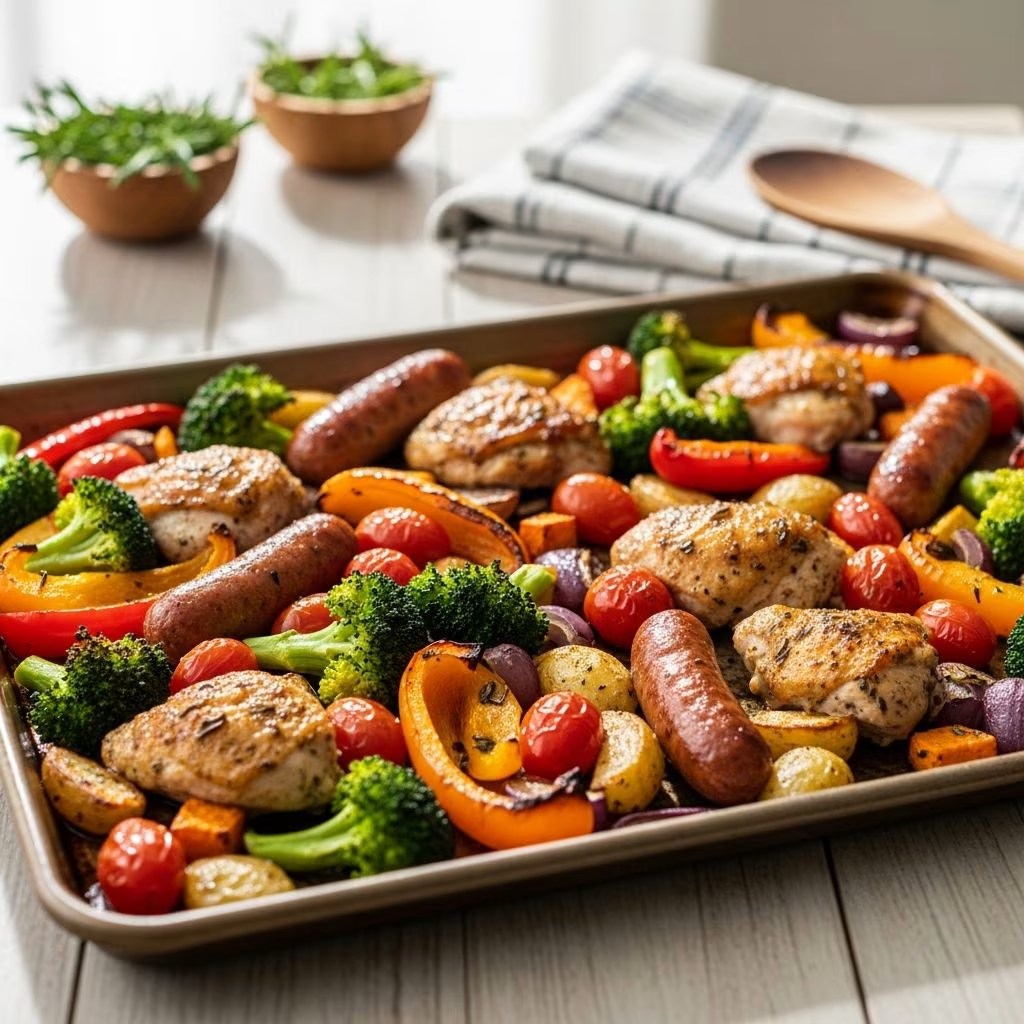
When it comes to weeknight dinner solutions, few cooking methods rival the simplicity and effectiveness of sheet pan meals. By combining proteins, vegetables, and seasonings on a single pan, home cooks can produce complete, nutritious dinners without the complexity typically associated with multi-step recipes. The beauty of limiting yourself to five core ingredients lies not in sacrifice, but in the discovery of how essential flavors and quality components can shine when given room to develop.
Why Sheet Pan Cooking Transforms Your Kitchen Routine
The sheet pan method represents a fundamental shift in how we approach dinner preparation. Rather than juggling multiple pots and pans, coordinating different cooking times, and managing a sink full of dishes, this approach streamlines everything into one efficient workflow. The concentrated heat from a single cooking vessel allows flavors to meld beautifully while vegetables caramelize and proteins cook through evenly.
Beyond the practical advantages, sheet pan cooking encourages creative thinking about ingredient pairing. When you’re working within constraints, you become more intentional about each component’s role in the final dish. A protein choice dictates complementary vegetables. A glaze or seasoning strategy unifies disparate elements into a cohesive meal.
Fundamental Principles for Success
Strategic Ingredient Selection
Working with five ingredients requires thoughtful choices. Your protein serves as the anchor, whether chicken, pork, fish, or plant-based alternatives. Vegetables should vary in texture and color to create visual appeal and nutritional diversity. A binding agent—oil, sauce, or broth—connects everything together. Seasonings and flavor enhancers round out your palette, transforming simple components into memorable dishes.
Temperature Management and Timing
Most sheet pan dinners roast at temperatures between 400-425°F, a range that allows proteins to cook through while vegetables achieve tender interiors and caramelized exteriors. Preheat your oven thoroughly for consistent results. Arrange ingredients in a single layer to ensure even heat exposure, and plan cooking times around your protein’s requirements—chicken typically needs 25-30 minutes, while delicate fish might finish in 15-20.
Equipment Considerations
Invest in quality sheet pans with raised edges to contain liquids and prevent spillage. Rimmed baking sheets distribute heat more evenly than flat alternatives. Line your pan with parchment paper or foil for effortless cleanup, though this step remains optional. A meat thermometer becomes invaluable for ensuring proteins reach safe internal temperatures without overcooking.
Building Flavor Through Glaze and Sauce Techniques
The secret to exceptional sheet pan dinners often lies in a carefully constructed glaze or sauce. Combining just two or three flavor components—sweetness, acidity, and richness—creates depth that individual ingredients cannot achieve alone. Maple syrup paired with balsamic vinegar offers autumnal complexity. Honey combined with mustard delivers balance between sweet and tangy notes. Citrus juice provides brightness that cuts through richer proteins and earthy vegetables.
These glazes typically require minimal preparation time. Whisk components together in a small bowl, then toss proteins and vegetables to coat before roasting. The heat intensifies the glaze, caramelizing sugars and deepening flavors as moisture evaporates. Brush additional glaze over ingredients halfway through cooking or immediately before serving for enhanced richness.
Protein Variations and Cooking Considerations
Poultry Options
Chicken remains the most versatile sheet pan protein. Boneless, skinless breasts cook quickly but require careful monitoring to prevent drying. Bone-in thighs offer more forgiving cooking windows and develop richer flavor through their higher fat content. Drumsticks provide budget-friendly portions that crisp beautifully at higher temperatures.
Pork and Red Meat
Pork chops deliver tender results in 20-25 minutes, bridging the gap between quick weeknight meals and substantial servings. Sliced kielbasa or sausage links create complete one-pan experiences when combined with vegetables and starches. Ground meat options work less effectively in sheet pan formats, though sausage crumbles can be scattered across the pan surface for even distribution.
Seafood Considerations
Delicate white fish fillets cook rapidly, reaching doneness in 12-15 minutes. Their subtle flavor pairs beautifully with brightly acidic elements and aromatic vegetables. Salmon offers more forgiving texture and robust flavor that stands up to assertive seasonings. Always monitor seafood closely, as overcooking results in dry, unpalatable results.
Vegetable Selection and Preparation Strategies
Vegetables contribute fiber, nutrients, and textural contrast while occupying that crucial fifth ingredient slot. Root vegetables like potatoes and sweet potatoes require longer cooking times, making them ideal for sheet pan formats where everything roasts simultaneously. Hardy vegetables such as Brussels sprouts, broccoli, and bell peppers maintain their structure while developing caramelized exteriors.
Cutting techniques matter significantly. Uniform sizing ensures even cooking across your sheet pan. Quarter potatoes and cube sweet potatoes into half-inch pieces. Halve Brussels sprouts to expose their flat surfaces to direct heat. Slice peppers and onions into consistent wedges. Cherry tomatoes stay whole, bursting slightly during cooking to release their juices into surrounding ingredients.
Starches That Complete the Equation
While vegetables contribute nutrients, starches provide the satisfying substance that transforms dinner components into complete meals. Potatoes, whether Yukon gold, red, or russet varieties, develop wonderful depth through oven roasting. Sweet potatoes offer natural sweetness and complement both savory and slightly sweetened preparations. Pre-boiling potatoes to fork-tender consistency before arranging on the sheet pan accelerates overall cooking time, allowing all components to finish simultaneously.
Fresh or frozen gnocchi provides elegant starch options requiring minimal preparation. Toss with oil and seasonings, then roast until golden and crisp. This approach eliminates separate pasta cooking while delivering familiar comfort food satisfaction.
Essential Seasoning Strategies
Salt and pepper form the foundation for almost every sheet pan meal, but don’t stop there. Garlic powder, onion powder, and smoked paprika amplify savory notes without requiring fresh ingredient preparation. Italian seasoning blends, ranch dry mixes, and za’atar provide instant complexity when used judiciously. Fresh herbs scattered over finished dishes—basil, rosemary, sage—elevate presentation and flavor simultaneously.
Remember that concentrated heat intensifies flavors, meaning seasonings become more pronounced during roasting. Season conservatively initially, tasting before adding more. Finish dishes with fresh lemon juice or zest, fresh herbs, or a drizzle of quality oil to brighten and enliven the overall composition.
Recipe Framework Categories
Mediterranean-Inspired Combinations
Cherry tomatoes, garlic, lemon, and fresh herbs create naturally balanced dishes when paired with chicken, fish, or lean proteins. The acidity brightens all components while aromatic garlic provides depth. Olives or capers introduce briny complexity without requiring additional ingredient slots.
Autumnal and Seasonal Preparations
Root vegetables, warming spices like cinnamon and paprika, and harvest proteins create comforting dinners aligned with seasonal produce. Pumpkin chunks pair beautifully with chicken and smoky spice blends. Sweet potatoes complement both pork and sausage-based preparations.
Asian-Influenced Options
Ginger, soy sauce, sesame oil, and rice vinegar create umami-rich foundations that elevate simple proteins and vegetables. These flavor profiles remain forgiving, developing depth through roasting while accommodating various protein and vegetable combinations.
Troubleshooting Common Sheet Pan Challenges
Uneven Cooking Results
Arrange ingredients in single layers, avoiding crowding that traps steam and prevents browning. Group items with similar cooking times together, placing quicker-cooking vegetables around pan edges where heat is less intense. Stir components halfway through cooking to promote even exposure.
Moisture Management Issues
Excess moisture steams vegetables rather than roasting them. Pat proteins dry before cooking and allow sufficient space between items for air circulation. If excess liquid accumulates during cooking, increase heat slightly or drain carefully to restore crispness.
Flavor Development Problems
Inadequate seasoning is the most common complaint. Taste before serving and remember that finishing touches—fresh herbs, citrus juice, quality oil—dramatically enhance perception of completed dishes. Don’t underestimate the importance of properly preheated ovens in developing flavors through caramelization.
Adaptability and Personal Customization
These five-ingredient frameworks intentionally leave room for personalization based on available ingredients and preferences. Substitutions work beautifully within these structures. Don’t have Brussels sprouts? Use broccoli. Prefer shrimp to chicken? The cooking times adjust slightly, but the fundamental approach remains unchanged. This flexibility transforms sheet pan cooking from rigid recipe following into intuitive meal creation aligned with your pantry and palate.
Building your own sheet pan dinners becomes natural with practice. Choose a protein, select complementary vegetables, add a starch element, prepare a simple glaze or seasoning strategy, and roast. This formula repeats endlessly while remaining fresh through ingredient variation and seasonal adjustment.
Practical Tips for Implementation
- Prep vegetables the morning before cooking, storing them in containers for easy weeknight assembly
- Keep frozen proteins on hand for spontaneous meal planning flexibility
- Mix and match glazes with different protein-vegetable combinations throughout the week
- Invest in parchment paper or silicone liners to eliminate scrubbing and speed cleanup
- Use a meat thermometer to avoid guesswork regarding protein doneness
- Arrange ingredients strategically, considering heat distribution and cooking time differences
- Allow finished dishes to rest briefly before serving, allowing juices to redistribute
Scaling and Serving Considerations
These recipes serve approximately three to four people comfortably. Double ingredients to feed larger groups, using appropriately sized sheet pans or cooking multiple batches. Sheet pan meals refrigerate well, making them excellent for meal preparation and next-day lunches. Reheat gently in a 300°F oven to restore texture without drying proteins.
Leftovers transform creatively into new meals. Shredded roasted chicken becomes filling for sandwiches or salads. Roasted vegetables complement grain bowls or creamy soups. This adaptability extends the value beyond the initial meal, supporting both efficiency and sustainable kitchen practices.
Why This Approach Matters for Modern Cooking
Sheet pan cooking with minimal ingredients represents more than a time-saving technique—it embodies a philosophy of intentional, accessible cooking. By stripping away unnecessary complexity, these meals remain approachable for novice cooks while offering sufficient depth to satisfy experienced palates. The method proves budget-friendly, reduces kitchen waste, and minimizes cleanup burden, addressing multiple pain points in modern home cooking simultaneously.
Whether you’re managing a busy schedule, cooking for a small household, or simply seeking dinner inspiration, these frameworks provide reliable foundations for consistent, satisfying meals. The techniques learned through this approach transfer broadly, elevating your overall cooking confidence and kitchen capabilities.
References
- USDA Food Safety and Inspection Service: Poultry Food Safety — United States Department of Agriculture. 2024. https://www.fsis.usda.gov/food-safety/safe-food-handling-and-preparation/food-safety-basics/poultry-food-safety
- Safe Minimum Cooking Temperatures Chart — USDA Food Safety and Inspection Service. 2024. https://www.fsis.usda.gov/food-safety/safe-food-handling-and-preparation/food-safety-basics/safe-temperature-chart
- Culinary Techniques: Caramelization and Maillard Reaction — American Culinary Federation Educational Institute. 2023. https://www.acfchefs.org
- Nutritional Guidelines for Balanced Meals — National Institutes of Health, National Heart, Lung, and Blood Institute. 2023. https://www.nhlbi.nih.gov/health
- Food Storage and Refrigeration Guidelines — Centers for Disease Control and Prevention. 2024. https://www.cdc.gov/foodsafety/communication/storage-handling.html