Creating satisfying, nutrient-dense dinners doesn’t require an extensive pantry or complex cooking techniques. By focusing on versatile, protein-rich ingredients combined strategically, anyone can prepare meals that support health goals while respecting time constraints. This approach emphasizes quality over quantity, ensuring that each component of your plate serves a nutritional purpose while maintaining exceptional flavor.
Why Simplicity Matters in Meal Planning
Modern cooking often becomes overcomplicated, with recipes calling for dozens of specialty items that clutter cabinets and stretch budgets. The reality is that foundational cooking relies on building blocks—proteins, vegetables, grains, and flavor enhancers—that can be mixed and matched infinitely. When you master combinations using just a handful of key ingredients, you gain flexibility to adapt based on what’s available, what’s on sale, or what you’re craving that evening.
This minimalist approach also reduces decision fatigue. Rather than standing in front of a full pantry feeling paralyzed by options, you work within a focused framework. This mental clarity translates to faster meal preparation and more consistent results in the kitchen.
Building Blocks for Protein-Forward Cooking
Understanding your foundational ingredients is essential for creating endless variations. Consider organizing your pantry around these categories:
- Primary Proteins: Chicken breasts, ground turkey, canned beans, eggs, tofu, or canned fish provide the structural foundation for high-protein meals. These ingredients range from budget-friendly to premium and accommodate various dietary preferences.
- Carbohydrate Bases: Frozen rice, sweet potatoes, quinoa, or legumes offer sustained energy and fiber. Pre-cooked or frozen versions save preparation time without sacrificing nutritional value.
- Flavor Amplifiers: Store-bought curry sauce, teriyaki sauce, enchilada sauce, or basic condiments like soy sauce and sesame oil transform simple proteins into restaurant-quality dishes.
- Fresh Elements: Cilantro, green onions, lime, or basic vegetables add brightness and nutritional diversity without complicated preparation.
Curry-Spiced Sweet Potato Bowls
This category of meal combines a starchy vegetable with legumes and aromatic curry seasoning to create a complete, satisfying dinner. Sweet potatoes provide complex carbohydrates, fiber, and essential vitamins, while chickpeas or black beans contribute plant-based protein and additional fiber that promotes satiety.
The methodology is straightforward: begin by baking sweet potatoes until tender, which typically requires 25-30 minutes depending on size. Meanwhile, warm your chosen curry sauce in a separate pan or microwave until it reaches serving temperature. Add cooked chickpeas to the curry sauce, allowing them to absorb the flavors for 5-10 minutes. Once the potatoes are fork-tender, halve them lengthwise and fluff the interior slightly with a fork to create texture.
Assemble your bowl by placing the roasted sweet potato as your base, topping it generously with the curried chickpea mixture. Garnish with fresh cilantro and a squeeze of lime juice if available. This combination delivers approximately 18-22 grams of protein per serving while providing sustained energy through complex carbohydrates and fiber.
Asian-Inspired Glazed Protein with Jasmine Rice
This approach leverages pre-cooked frozen jasmine rice as a time-saving element without compromising nutritional value. Quality store-bought teriyaki sauce—specifically products that aren’t overly thick or syrupy—serve as your flavor foundation when combined with basic seasonings like garlic powder, sesame oil, and sesame seeds.
Prepare your protein of choice (whether that’s chicken, tofu, or ground turkey) by cooking it until nearly done in a skillet. Add your teriyaki sauce and allow it to coat and caramelize slightly, creating a glossy finish. Warm your frozen jasmine rice according to package directions, then divide it among bowls. Top with the glazed protein and finish with a sprinkle of sesame seeds and chopped green onions if you have them available.
The optional microwave step for 2 minutes after initial assembly can help meld flavors and ensure everything reaches an ideal serving temperature. This meal structure provides 25-30 grams of protein and delivers complete amino acid profiles when protein selection is varied regularly.
Black Bean and Taco-Seasoned Dinners
Black beans serve as an economical, shelf-stable protein source that requires minimal preparation. Combined with simple taco seasoning or enchilada sauce, they create satisfying bowls that can be customized endlessly. The beauty of this framework lies in its adaptability: you might build around rice, incorporate vegetables, top with avocado, or serve over a salad foundation depending on your current dietary focus.
Cook your black beans by draining and rinsing canned versions, then warming them in a skillet with your chosen sauce. Allow the mixture to simmer for 5-10 minutes, letting the beans absorb the seasoning. Serve over your carbohydrate base with fresh cilantro as your green element.
Mediterranean Grain and Legume Combinations
Beyond Asian and Mexican flavor profiles, Mediterranean approaches offer equally compelling options. Lentils combined with quinoa or brown rice, seasoned with lemon, herbs, and perhaps a touch of olive oil, create naturally high-protein meals that feel elegant despite their simplicity. The combination of lentils and whole grains creates a complete protein profile containing all essential amino acids.
This framework supports approximately 20+ grams of protein per serving and introduces beneficial plant compounds found in legumes and whole grains that support long-term health outcomes.
One-Pan and Sheet-Based Preparation Methods
Efficiency in meal preparation extends beyond ingredient selection to technique. One-pan dinners—where your protein, vegetables, and perhaps a grain cook together—minimize cleanup while ensuring flavors meld throughout cooking.
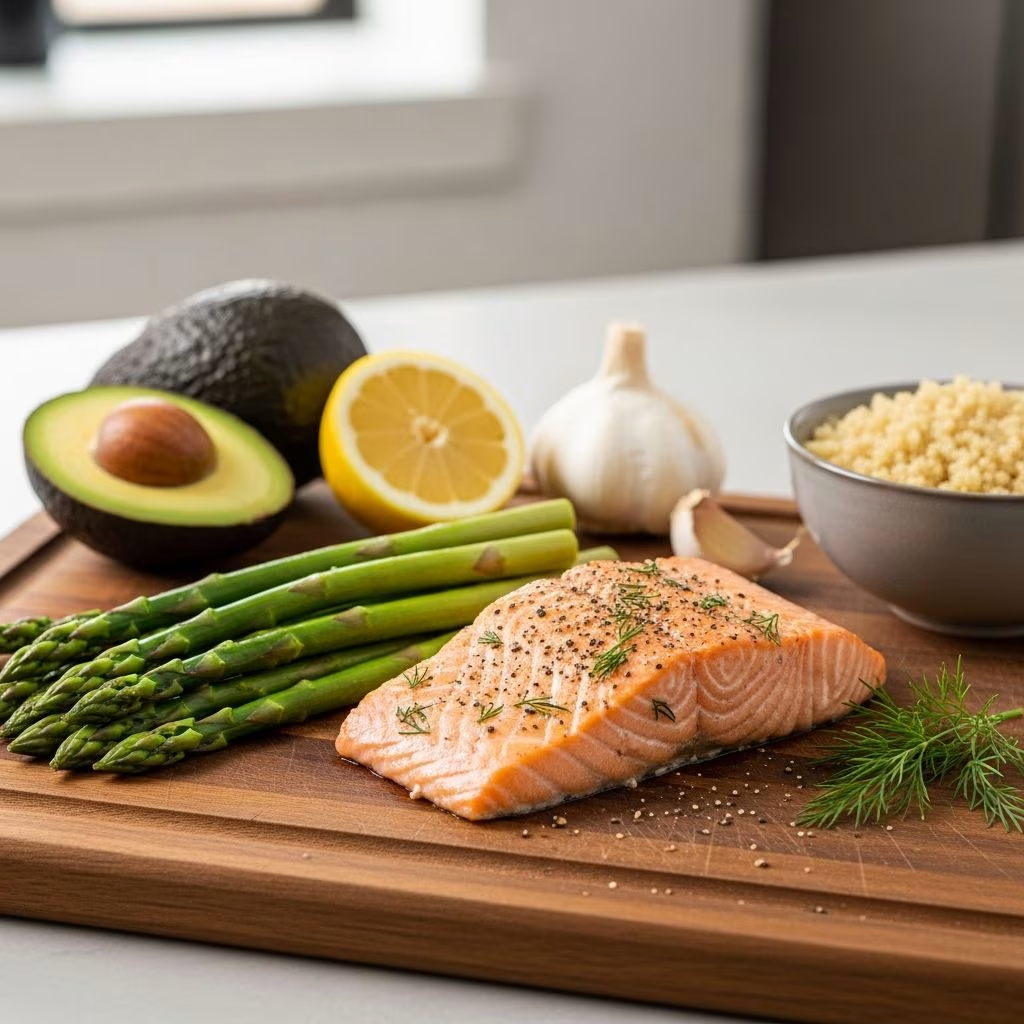
Sheet pan approaches work particularly well for protein like chicken breasts or fish. Arrange your protein on a lined baking sheet, scatter vegetables around it, drizzle with sauce or oil, and roast everything simultaneously. This method works beautifully at 425°F for 18-25 minutes depending on your protein thickness and vegetable choices.
Strategic Flavor Building with Minimal Ingredients
Rather than relying on numerous spices, understanding how basic flavor enhancers work together maximizes impact. Sesame oil provides nutty depth, soy sauce delivers umami richness, garlic powder adds savory notes, and fresh lime or lemon juice brightens everything. These four elements, used in different proportions, create distinctly different flavor profiles.
Similarly, choosing between curry sauce, teriyaki, enchilada, or taco seasoning shifts your meal’s entire direction without requiring additional complexity in your cooking process.
Adapting Recipes for Dietary Preferences
The minimalist ingredient approach accommodates various dietary needs seamlessly. Vegetarian cooks substitute tofu, tempeh, or additional legumes for animal proteins. Vegan preparations lean into bean-based and legume-based options while using oil-based sauces instead of dairy-containing versions. Those following low-carbohydrate approaches simply reduce grain portions and increase vegetable volume.
| Dietary Approach | Protein Source | Carbohydrate Base | Sample Meal |
|---|---|---|---|
| Omnivore | Chicken, fish, beef | Rice, sweet potato | Glazed chicken with jasmine rice |
| Vegetarian | Beans, lentils, eggs | Quinoa, brown rice | Curry chickpea bowl |
| Vegan | Tofu, tempeh, beans | Pasta, rice, grains | Sesame tofu with brown rice |
| Low-Carb | All proteins work | Vegetables, cauliflower rice | Protein over vegetable base |
Nutritional Considerations and Balanced Plates
A truly satisfying meal combines protein for satiety and muscle support, carbohydrates for energy and fiber, and vegetables for micronutrients and additional fiber. This balance prevents energy crashes and helps regulate appetite throughout your day.
Aim for 25-35 grams of protein per dinner depending on your body weight and activity level. A standard serving of cooked protein is approximately 3-4 ounces, though requirements vary individually. Whole grains or starchy vegetables should comprise about one-quarter of your plate, while vegetables should fill approximately one-third.
Time-Saving Strategies and Shortcuts
Using pre-cooked frozen rice, canned beans, pre-cut vegetables, and quality store-bought sauces isn’t cheating—it’s strategic meal planning. These shortcuts reduce preparation time from 45 minutes to 15 minutes without sacrificing nutritional quality or flavor. Batch cooking proteins on weekends or whenever you have extra time provides ready-to-use options throughout your week.
Frequently Asked Questions
Can I substitute ingredients if I don’t have exactly what the recipe calls for?
Absolutely. The five-ingredient framework is intentionally flexible. If you don’t have chickpeas, use black beans. If jasmine rice isn’t available, white rice or brown rice work equally well. The goal is building flavor through basic categories rather than specific items.
How do I ensure I’m getting enough protein on a plant-based diet?
Combine legumes (beans, lentils) with whole grains to create complete proteins. A cup of beans paired with a cup of rice provides approximately 12-15 grams of protein. Tofu, tempeh, and plant-based meat alternatives also work within the five-ingredient framework.
Are store-bought sauces nutritionally problematic?
Quality matters. Choose sauces with recognizable ingredients, limited added sugar, and reasonable sodium levels. Many brands now offer reduced-sodium versions. Reading nutrition labels helps identify options that support your health goals.
How far in advance can I prepare these meals?
Most components can be prepared 3-4 days in advance and refrigerated separately. Assemble your final meal just before eating to maintain optimal texture, particularly for rice-based dishes.
Can these recipes be frozen for later use?
Yes. Bean-based meals freeze excellently for 2-3 months. Grain-based dishes freeze reasonably well, though rice may become slightly dry when reheated. Allow meals to cool completely before freezing, and reheat gently with a small amount of water or sauce to restore moisture.
References
- Dietary Guidelines for Americans — U.S. Department of Agriculture & Department of Health and Human Services. 2020–2025. https://www.dietaryguidelines.gov/
- Protein in Plant-Based Foods — Academy of Nutrition and Dietetics. 2023. https://www.eatright.org/
- Legumes and Whole Grains: Nutritional Complementarity — National Institutes of Health, PubMed Central. Published 2022. https://www.ncbi.nlm.nih.gov/pmc/
- Quick Meal Preparation and Adherence to Nutritional Goals — Journal of the Academy of Nutrition and Dietetics. 2021. https://jandonline.org/
- Satiety and Protein Content in Meals — American Journal of Clinical Nutrition. Published 2023. https://academic.oup.com/ajcn/