The Essence of Simplified Cooking
Cooking does not require an overwhelming array of ingredients or hours spent in the kitchen to produce satisfying, flavorful meals. Throughout history, home cooks have demonstrated that exceptional dishes emerge from careful ingredient selection and straightforward preparation techniques. The philosophy of minimal-ingredient cooking reflects a practical approach to meal preparation that prioritizes quality over quantity, focusing on how a small number of carefully chosen components can combine to create nourishing and delicious food. This culinary approach gained particular prominence during periods when ingredient availability was limited, yet it remains remarkably relevant today for those seeking to simplify their cooking routines and reduce food waste.
The advantage of working within ingredient constraints lies in the necessity for precision and intention. When cooks limit their ingredient palette, each component must earn its place in the dish through meaningful contribution to flavor, texture, or nutritional value. This constraint often leads to more innovative thinking about how basic pantry staples can be transformed and combined in surprising ways.
Understanding the Foundation: Essential Pantry Components
Successful preparation of meals with limited ingredients begins with maintaining a thoughtfully stocked pantry and refrigerator. Rather than purchasing specialty items for single recipes, the focus shifts toward versatile staples that serve multiple purposes across various dishes throughout the month.
Protein Sources That Offer Flexibility
Proteins form the backbone of most satisfying meals and deserve careful consideration when planning minimal-ingredient cooking. Canned proteins such as tuna, salmon, and beans provide economical options that require no additional preparation beyond draining. Dried legumes, while requiring advance planning for soaking and cooking, deliver substantial nutritional value and cost efficiency. Fresh proteins including eggs, chicken, and ground meats offer versatility when purchased in quantities that allow for multiple uses throughout the week.
Flavor Builders and Seasonings
Salt, pepper, and basic herbs comprise the traditional foundation of seasoning in minimal-ingredient cooking. However, strategic additions like garlic powder, onion powder, paprika, or dried oregano can dramatically expand flavor possibilities without requiring fresh ingredients. Worcestershire sauce, soy sauce, and vinegar serve as concentrated flavor sources that accomplish what might otherwise require multiple ingredients.
Structural Ingredients
Flour, rice, pasta, and potatoes provide the carbohydrate foundation for many traditional dishes. Self-rising flour, in particular, offers convenience for quick breads and biscuits, combining flour with leavening agents in a single product. These pantry staples combine readily with proteins and vegetables to create complete meals.
Main Course Strategies Using Limited Ingredients
The preparation of satisfying main courses within ingredient constraints demonstrates how fundamental cooking principles yield excellent results. Understanding proper cooking temperatures, timing, and technique often matters more than ingredient complexity.
Braised and Slow-Cooked Proteins
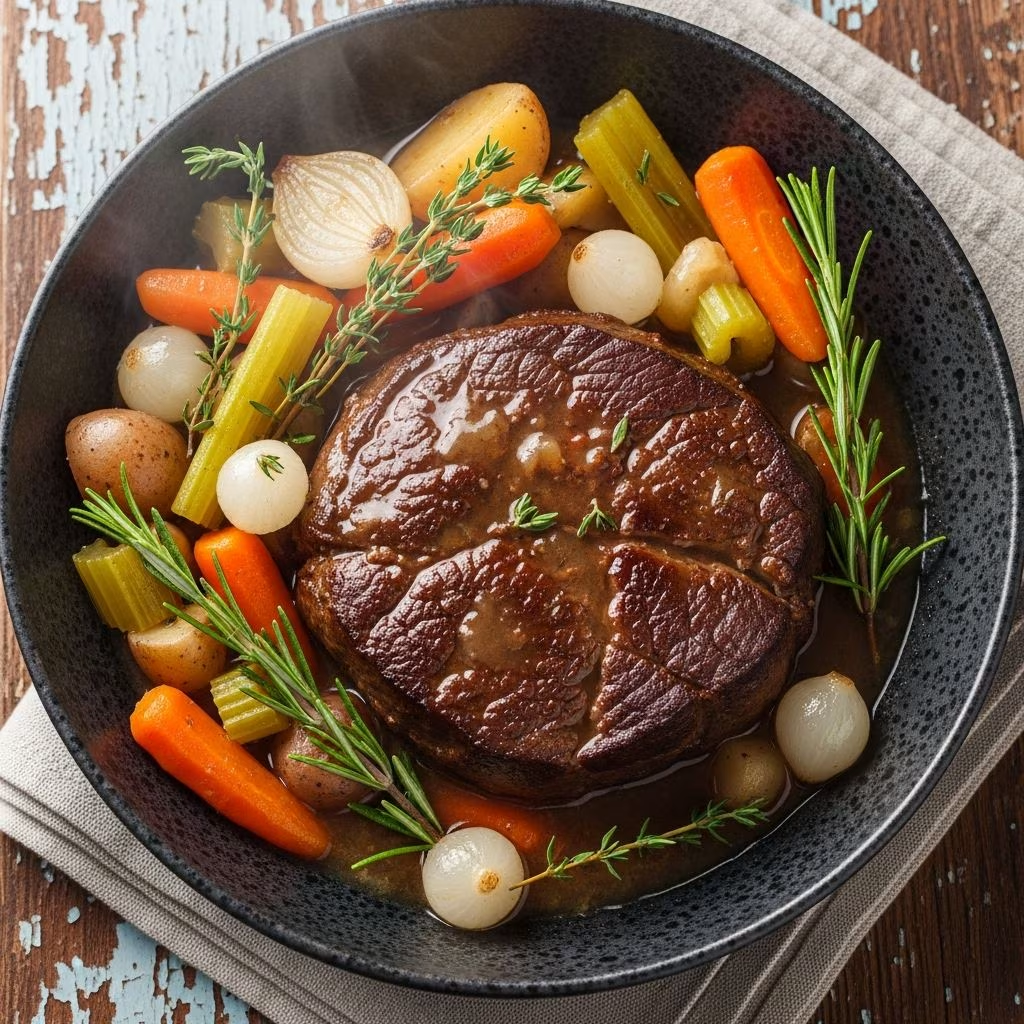
Braising techniques prove particularly effective for minimal-ingredient cooking because the cooking method itself builds flavor development. A basic preparation combining beef stew meat with dried onion soup mix, canned cream-based soup, and burgundy wine creates a deeply flavored dish after extended cooking time. The liquid from canned soups provides the braising medium while contributing seasoning, reducing the need for additional salt or spices. This approach yields tender, flavorful results that taste as though complex preparation occurred, despite the straightforward ingredient list.
One-Pot Proteins with Integrated Starches
Dishes that combine protein, vegetable, and starch in a single cooking vessel maximize efficiency and minimize cleanup while creating balanced meals. Pork chops cooked with rice in a tomato-based vegetable juice demonstrates this principle effectively. The juice provides both liquid for rice cooking and seasoning for the protein, while green pepper rings add visual interest and nutritional content with minimal additional ingredients. This type of preparation requires approximately thirty minutes of cooking time and minimal intervention once components are assembled.
Poultry Preparations with Complementary Fruits
The pairing of chicken with canned fruits creates unusual flavor combinations that deliver memorable results. Chicken pieces brushed with a glaze made from canned peach syrup mixed with lemon juice and soy sauce creates a sweet-savory profile that feels restaurant-quality despite its simplicity. The extended baking period allows flavors to meld while the regular basting builds a flavorful crust.
Side Dishes and Starches from Simple Foundations
Complementary side dishes need not involve multiple ingredients to contribute meaningful texture and flavor contrast to meals.
Quick Bread Options
Biscuits prepared from only self-rising flour and sour cream represent the ultimate expression of ingredient minimization. The dairy product provides moisture and slight tang while creating a tender crumb structure. After minimal mixing and shaping, these biscuits bake quickly to golden completion. The technique of keeping mixing minimal yields superior texture compared to overworked dough.
Vegetable Preparations with Textural Interest
Potato wedges benefit from coating with a mixture of crushed cereal, grated cheese, and sesame seeds before baking in butter. This preparation transforms humble potatoes into a dish with appealing visual appearance and textural complexity. The starch from potatoes, fat from butter, protein and calcium from cheese, and nutritional benefits from sesame seeds create a surprisingly well-rounded side dish from five basic ingredients.
Grain-Based Offerings
Rice, noodles, and other grains prepared with broth instead of plain water require no additional ingredients while delivering enhanced flavor. Some traditional preparations incorporate dried fruits such as raisins or currants, which add natural sweetness and chewy texture without requiring added sugar.
Preserves and Spreads for Entertaining
Preparing items to serve guests need not require extensive ingredient lists. A brandied cheddar spread combines only five ingredients yet creates an elegant offering that improves with storage time. Sharp cheddar cheese provides bold flavor that prevents the need for additional seasonings, while brandy adds complexity. Worcestershire sauce contributes depth, and hot pepper seasoning provides subtle heat. Proper beating technique creates an appropriately fluffy texture, and refrigeration allows flavors to develop and meld. This preparation yields enough volume to serve multiple occasions and demonstrates how five ingredients combine to create something greater than the sum of their parts.
Desserts and Sweet Conclusions
The dessert category proves particularly amenable to minimal-ingredient approaches because sweetness itself carries substantial flavor impact.
Fruit-Based Preparations
Layered preparations combining crushed pineapple with crumb mixtures create satisfying desserts requiring minimal ingredients beyond those typically found in home kitchens. The natural juice from fruit provides necessary moisture and subtle sweetness, while crumb layers contribute textural contrast. Serving with a simple lemon sauce rounds out the flavor profile without requiring additional complex components.
Hand Pies and Pastry Items
Using prepared biscuits as a foundation, simple hand pies come together with the addition of preserves and basic folding and sealing techniques. The biscuit dough provides the pastry structure, while fruit preserves supply both filling and concentrated flavor. This approach demonstrates how prepared products can substitute for scratch components within a minimal-ingredient framework.
Cookie-Style Treats
Oatmeal-based preparations combining minimal ingredients—butter, oatmeal, sugar, milk, and dried fruit—create satisfying treats. The natural stickiness of oatmeal when combined with butter and milk creates appropriate texture without requiring eggs or additional binders.
Strategic Shopping and Ingredient Substitution
Successfully maintaining a minimal-ingredient cooking practice requires thoughtful shopping decisions and understanding which ingredients can substitute for others. Dried soup mixes provide seasoning in concentrated form, reducing the need for individual spices. Canned proteins and vegetables offer convenience while reducing preparation time. Understanding that different cheeses, oils, or vinegars can interchange within recipes allows cooks to adapt based on availability and preference.
Time Efficiency in Preparation
Minimal-ingredient cooking often correlates with reduced preparation time, though not universally. Some dishes benefit from extended cooking times that develop flavor through long, slow processes. Others come together quickly, with active preparation time measured in minutes. Understanding which techniques suit your available time allows for strategic meal planning.
Nutritional Considerations
Cooking with limited ingredients requires intentional thought about nutritional balance. Incorporating proteins, carbohydrates, healthy fats, and vegetables across meals throughout the week ensures adequate nutrition despite ingredient constraints. Using whole grain options when available and including fresh ingredients when budget allows maximizes nutritional value.
Frequently Asked Questions
Can meals prepared with five ingredients taste complex and flavorful?
Absolutely. Proper cooking techniques, ingredient quality, and thoughtful seasoning create complex flavors regardless of ingredient quantity. Slow cooking, proper temperature management, and strategic use of concentrated flavoring ingredients (such as soy sauce, Worcestershire sauce, or broth) build depth.
How do I adapt five-ingredient recipes based on what I have available?
Identify the primary function of each ingredient—protein, starch, seasoning, liquid, and texture—then substitute similar items within each category. This approach allows flexibility while maintaining the dish’s fundamental balance.
Are minimal-ingredient recipes suitable for feeding families?
Yes. These recipes often yield multiple servings and cost significantly less per portion than more complex preparations. Many scale easily to accommodate different household sizes.
Can I prepare impressive meals for guests using minimal-ingredient techniques?
Certainly. Spreads, elegant casseroles, and thoughtfully plated dishes demonstrate that ingredient simplicity does not preclude sophistication. Presentation and proper seasoning matter more than ingredient quantity.
How do I avoid boredom with limited ingredients?
Varying cooking methods, seasonings, and presentation creates different experiences from similar base ingredients. Exploring different cultural flavor profiles using basic pantry items introduces novelty without requiring new ingredients.
Building Confidence in Simplified Cooking
Adopting minimal-ingredient cooking represents a shift in mindset rather than a restriction. Rather than viewing ingredient limitations as obstacles, experienced cooks recognize constraints as opportunities for creativity and intentional decision-making. Each dish prepared with deliberate ingredient selection and proper technique builds confidence and competence. Over time, cooks develop intuition about which ingredients combine effectively and which techniques yield superior results. This foundation enables improvisation and adaptation, ultimately leading to greater culinary confidence and satisfaction.
References
- Easy Retro Recipes with 5 Ingredients or Less — Newspapers.com Blog. Accessed April 2026. https://blog.newspapers.com/easy-retro-recipes-with-5-ingredients-or-less/
- Grandma’s Old-fashioned 5-Ingredient Casserole Recipe: Fits the Budget, Fills the Tummies — 30Seconds by Jan Mostrom. Accessed April 2026. https://30seconds.com/food/tip/60587/Grandmas-Old-fashioned-5-Ingredient-Casserole-Recipe-Fits-the-Budget-Fills-the-Tummies