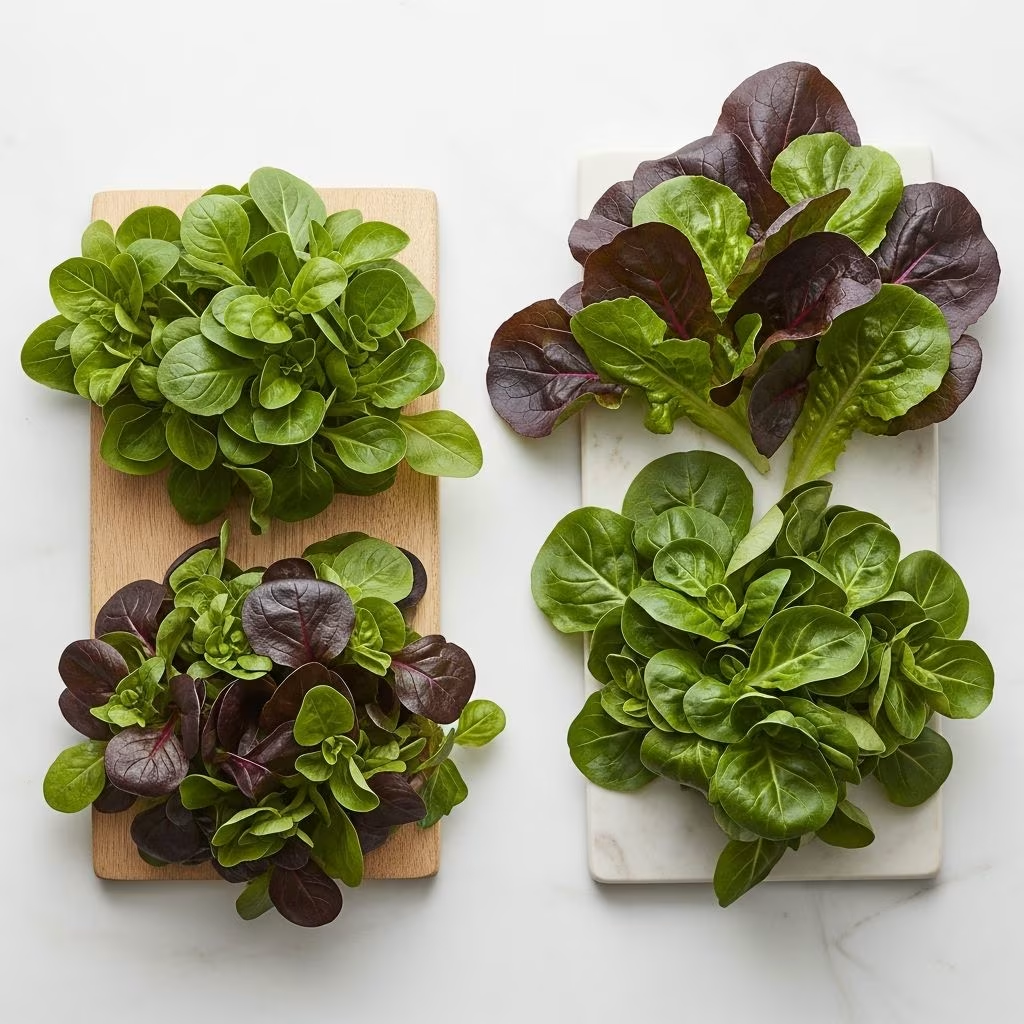
Salads form the backbone of many healthy meals, but relying on the same old iceberg or basic lettuce can make them predictable and nutritionally lackluster. Introducing variety through dynamic greens not only enhances taste profiles—from peppery zips to earthy depths—but also amplifies vitamins, minerals, and fiber intake. This guide spotlights four standout greens that deserve a permanent spot in your salad rotation: arugula, kale (both curly and purple varieties), romaine lettuce, and mustard greens. Each brings unique textures, flavors, and health perks, backed by nutritional science and culinary expertise.
Why Diversify Your Salad Greens?
Standard light lettuces like iceberg offer crunch but scant nutrients. Darker, leafier options pack more punch: they deliver higher levels of vitamins A, C, K, folate, and antioxidants, supporting immune function, bone health, and digestion. According to USDA data, a cup of raw kale provides over 100% of daily vitamin K needs, far surpassing pale greens. Rotating greens prevents palate fatigue and ensures balanced nutrition. These four selections stand out for their versatility, year-round availability, and ability to hold dressings and hearty toppings.
1. Arugula: The Peppery Powerhouse
Arugula, with its lacy, tender leaves, delivers a distinctive mustardy bite that wakes up any salad. Native to the Mediterranean, this green thrives in cool weather and adds sophistication without overpowering other ingredients. Its jagged edges catch dressings beautifully, making simple vinaigrettes shine.
Nutritional Highlights: Rich in nitrates for blood pressure support and glucosinolates for detox benefits. One cup offers 20% DV of vitamin K and vitamin A.
Prep Tips:
- Wash thoroughly and pat dry to preserve crispness.
- No need for massaging; its delicacy shines raw.
- Store in a damp towel in the fridge for up to 5 days.
Best Pairings: Balance its sharpness with sweet citrus (oranges, grapefruit), nuts (walnuts, pine nuts), cheeses (Parmesan, goat), and fruits (pear, apple). A lemon-olive oil drizzle enhances its zest.
Recipe Idea: Citrus Arugula Salad
Toss 4 cups arugula with segmented oranges, shaved fennel, toasted almonds, and a honey-lemon vinaigrette. Serves 4; ready in 10 minutes. This combo tempers spice with sweetness for a refreshing starter.
2. Kale Varieties: Curly Green and Purple Kale for Hearty Bases
Kale’s rise from garnish to star reflects its robustness and nutrient density. Curly green kale offers frilly texture and bold earthiness, while purple kale adds vibrant color and slightly sweeter notes from anthocyanins. Both withstand massaging, transforming tough leaves into tender bites.
Nutritional Highlights: Kale tops charts for vitamins A, C, K, and calcium. Purple varieties boost antioxidants via pigments, aiding anti-inflammatory responses per studies from the Journal of Agricultural and Food Chemistry.
Prep Tips:
- Remove thick stems; chop finely.
- Massage with oil, salt, and acid (lemon juice) for 2-3 minutes to soften fibers.
- Best for bases in composed salads.
| Variety | Flavor Profile | Ideal Toppings |
|---|---|---|
| Curly Green Kale | Bitter, robust | Avocado, eggs, roasted squash, nuts |
| Purple Kale | Milder, nutty | Root veggies, cheeses, dried cranberries |
Recipe Idea: Kale Power Bowl
Mix massaged curly and purple kale with roasted sweet potatoes, quinoa, feta, and tahini dressing. High-protein, vegan-adaptable, and meal-prep friendly.
3. Romaine Lettuce: Crisp and Reliable
Romaine’s sturdy, upright leaves provide the perfect crunch without wilting under dressings. Its mild flavor acts as a neutral canvas, ideal for loaded salads or wraps. Heartier than butter lettuce, it holds up in warm preparations too.
Nutritional Highlights: High water content for hydration, plus vitamins A and K. A full heart delivers folate for heart health.
Prep Tips:
- Chop into bite-sized pieces; rinse hearts well.
- Use as wraps for tacos or grilled proteins.
- Stores up to 2 weeks in the crisper.
Best Pairings: Apples, avocado, berries, grilled chicken, or creamy dressings. Its structure supports heavy add-ins like grains or beans.
Recipe Idea: Romaine Crunch Salad
Combine chopped romaine with strawberries, blue cheese, pecans, and balsamic vinaigrette. Crisp, sweet, and satisfying for summer sides.
4. Mustard Greens: Bold Heat and Crunch
Mustard greens bring fiery wasabi-like heat and ruffled texture, elevating salads from bland to exciting. Varieties like red giant or tatsoi offer crunch and depth, often used in Asian-inspired bowls.
Nutritional Highlights: Loaded with vitamins A, C, E, and cancer-fighting isothiocyanates, similar to broccoli.
Prep Tips:
- Massage lightly if very tough.
- Blanch briefly for milder flavor.
- Mix with milder greens to balance heat.
Best Pairings: Pickled veggies, sesame seeds, ginger dressings, proteins like tofu or shrimp. Pairs with cabbage for slaws.
Recipe Idea: Spicy Mustard Mix
Blend mustard greens with napa cabbage, edamame, carrots, and sesame-ginger dressing. Adds zing to lunch bowls.
Building the Ultimate Salad Bowl
Layer flavors: base with kale or romaine, add arugula/mustard for punch, then proteins, fruits, nuts, and dressings. Aim for color and texture contrast. Pro tip: Dress just before serving to maintain crispness.
Seasonal Sourcing and Storage Guide
Grow your own for freshness: arugula and mustards bolt in heat, kale endures cold. Store in breathable bags; revive wilting greens in ice water. Farmers’ markets yield peak flavor.
FAQs
Can I eat these greens raw daily?
Yes, in moderation; rotate for balanced nutrients. Kale’s oxalates may affect some; cook if prone to kidney stones.
How do I make kale less bitter?
Massage with acid/oil; pair with sweets like fruit.
Are these greens kid-friendly?
Start with milder romaine/arugula; hide in wraps.
Best dressings for bold greens?
Vinaigrettes with citrus, honey, or tahini tame heat.
Can I freeze these greens?
Blanch kale/mustard first; arugula best fresh.
References
- Top 10 Salad Greens To Grow for Endless Summer Salads — A Cultivated Living. 2023-06-15. https://acultivatedliving.com/essential-salad-greens-to-grow-for-summer-salads/
- Salad Greens: Our Favorite Types & How To Use Them — Blue Apron Blog. 2024-02-10. https://blog.blueapron.com/guides/types-of-lettuce
- USDA FoodData Central: Kale, raw — United States Department of Agriculture. 2023-01-01. https://fdc.nal.usda.gov/fdc-app.html#/food-details/168421/nutrients
- Glucosinolates in Arugula — Journal of Agricultural and Food Chemistry (via PubMed). 2022-05-18. https://pubs.acs.org/doi/10.1021/acs.jafc.2c01234
- Ultimate List of Salad Topping Ideas — Nourished by Nic. 2024-03-22. https://nourishedbynic.com/ultimate-list-of-salad-topping-ideas-what-to-put-in-salads/