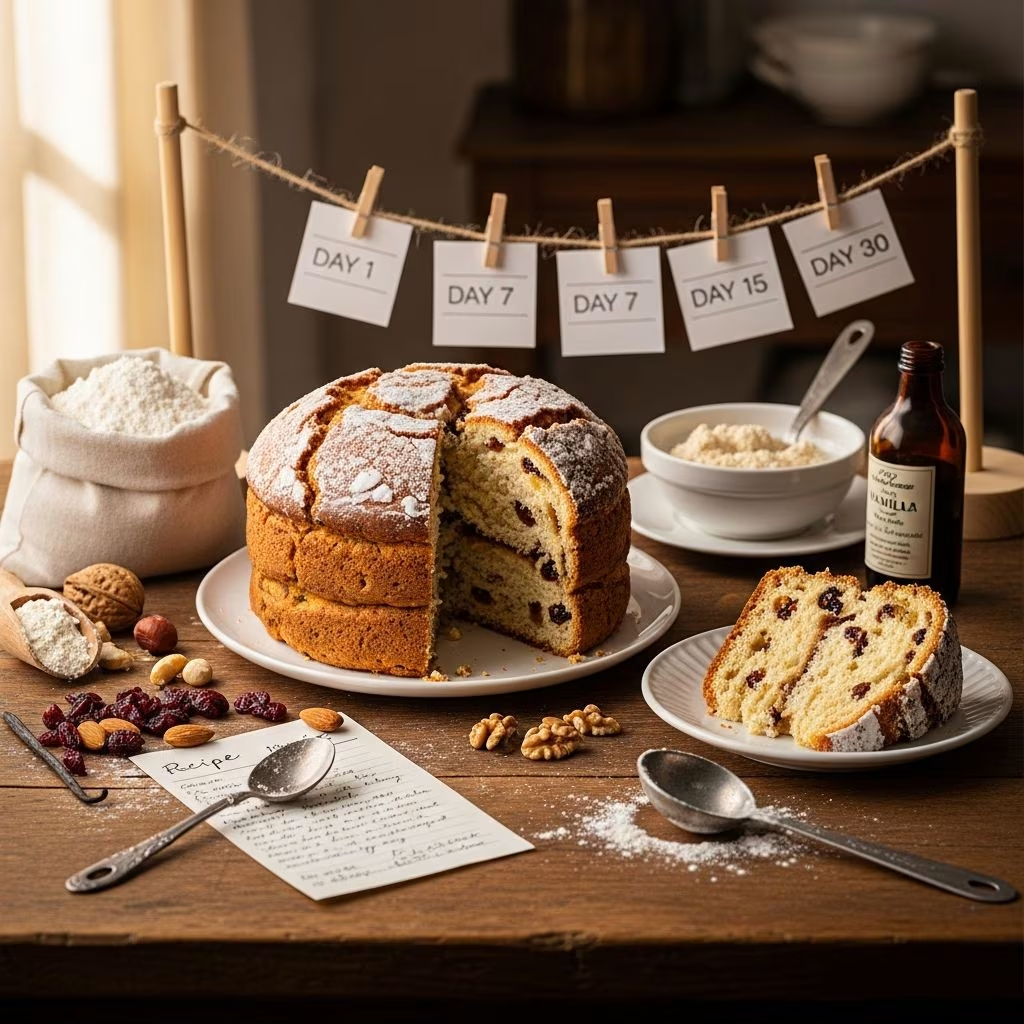
The friendship cake represents far more than a simple dessert—it embodies a culinary tradition built on generosity, patience, and community connection. Unlike conventional cakes that emerge from the oven in a single afternoon, this beloved creation unfolds across thirty days, transforming basic ingredients into a sophisticated, fruit-laden delicacy. The process begins weeks before the first slice reaches a plate, inviting bakers into a rhythmic cycle of daily stirring, careful monitoring, and ultimately, the joy of sharing homemade goodness with friends and family.
Understanding the Foundation: What Makes This Cake Special
At its heart, the friendship cake combines elements of traditional fruitcake with modern convenience, resulting in a dessert that defies the dense, heavy reputation of its ancestors. The distinguishing feature lies in the thirty-day starter process, during which layered fruit and sugar transform into a fragrant, juice-rich base that infuses the final cake with extraordinary flavor and moisture. Unlike conventional fruitcakes that often suffer from dryness and density, this preparation method yields a tender crumb structure studded with soft fruit pieces and delicate sweetness.
The cake earned its “friendship” designation because the fermented starter juice becomes a gift to others—a tangible way to extend the baking tradition into new kitchens and households. When the thirty-day cycle concludes, the leftover liquid provides enough starter for three to four batches, meaning each cake becomes a catalyst for creating additional cakes through shared culture. This multiplicative generosity creates a sweet network of home bakers participating in a centuries-old culinary practice.
The Thirty-Day Timeline: Building Flavor Layer by Layer
Creating a friendship cake demands commitment to a specific temporal rhythm. The month-long process unfolds across distinct phases, each introducing new fruit and deepening the flavor profile:
Days 1-9: The Foundation with Peaches
The journey commences on day one with peaches as the primary catalyst. Combine two and a half cups of sugar with one large can (approximately twenty-eight ounces) of sliced peaches, including all juice, in a glass container. Add one and a half cups of starter if using a pre-existing culture, or begin without starter if creating an entirely new batch. Using only a wooden spoon—never metal utensils—stir this combination thoroughly on the first day and then daily for nine consecutive days. This non-metallic requirement prevents undesired chemical reactions and oxidation that could compromise flavor or texture.
Days 10-19: Introducing Pineapple
On day ten, stir two cups of sugar and one large can (twenty ounces) of crushed pineapple with juice into the existing mixture. This addition introduces tartness and complexity, balancing the peach’s sweetness while adding enzymatic properties that continue breaking down fruit and sugar into fermented goodness. Continue daily stirring for nine more days, maintaining the same wooden spoon practice and leaving the container uncovered or loosely covered at room temperature.
Days 20-29: Adding Maraschino Cherries
The final major addition arrives on day twenty, when two cups of sugar combine with two cans (ten ounces each) of maraschino cherries, juice included. The cherries contribute visual vibrancy and a distinctive flavor note while providing additional liquid that further develops the starter’s character. Stir daily for nine days to fully integrate these ingredients into the slowly transforming mixture.
Day 30: Preparation for Baking
When day thirty arrives, the month-long fermentation process culminates in preparation for cake production. Drain the accumulated liquid from the fruit, reserving this precious juice for sharing as starter with others. Divide the fruit into thirds, and correspondingly divide the juice into one and a half-cup batches, each paired with a copy of the friendship cake recipe for gifting. This generosity ensures the tradition continues through multiple households while you retain one-third of the fruit and juice for your own baking project.
Ingredient Composition and Measurements
Understanding proper ingredient ratios proves essential for successful cake execution. The following components create a single friendship cake of standard size:
| Component | Amount | Notes |
|---|---|---|
| Yellow cake mix (butter-flavored) | 1 box | Standard 15.25-ounce box |
| Instant vanilla pudding | 1 box | The 3.4-ounce standard instant variety |
| Eggs | 4 large | Room temperature preferred |
| Vegetable oil | 2/3 cup | Contributes to cake moisture |
| Drained fruit from starter | 2 cups | One-third of the thirty-day mixture |
| Reserved juice from starter | 1.5 cups | Mixed into batter for flavor |
| Chopped nuts (pecans or walnuts) | 1 cup | Optional but highly recommended |
| Shredded coconut | 1 cup | Optional; adds tropical dimension |
For larger batches, all measurements can be doubled to produce two cakes simultaneously, requiring two boxes of cake mix, two boxes of pudding, eight eggs, four-thirds cup oil, and doubled amounts of fruit, juice, and optional ingredients.
Preparation Methods and Baking Instructions
The baking phase demands attention to detail, particularly regarding mixing methodology and temperature control. Begin by combining all dry ingredients—the cake mix, instant pudding, and optional coconut—in a large mixing bowl. In a separate container, whisk together eggs and vegetable oil until well combined, then fold in the drained fruit, reserved juice, and chopped nuts. The critical instruction involves mixing these components using only a wooden spoon; avoid electric mixers, which can overwork the batter and create a dense, heavy texture rather than the desired tender crumb.
Combine the wet and dry components gently, stirring until just incorporated without excessive blending. Pour the batter into a well-greased and floured bundt or tube pan. Bake in a preheated three hundred fifty-degree Fahrenheit oven for fifty to sixty minutes, or until a toothpick inserted into the cake’s center emerges clean without moist crumbs adhering. Baking time may extend slightly when using larger pans or doubled recipes, so monitor progress carefully during the final minutes.
Storage, Shelf Life, and Make-Ahead Options
One remarkable attribute of friendship cakes involves their exceptional storage capacity and freezer longevity. Sliced or chunked cakes can remain frozen for at least twelve months without significant quality degradation, making this dessert ideal for advance preparation or portion-controlled serving. For standard room-temperature storage, keep the cooled cake covered on the counter for several days. For longer preservation, wrap individual slices or the entire cake tightly in plastic wrap before freezing.
The starter itself should be used within five days of completing the thirty-day cycle and should never be refrigerated during the fermentation or immediate post-fermentation period. Once divided for gifting or personal use, the starter can be refrigerated if baking will be delayed, though room-temperature storage maintains optimal fermentation character.
Customization and Variation Options
While the traditional formula includes specific fruit combinations and measurements, numerous variations accommodate different preferences and available ingredients:
- Substitute cake mix flavors, such as French vanilla or lemon, for the standard butter-flavored yellow variety
- Replace or supplement traditional pudding with butterscotch, chocolate, or cream cheese instant pudding varieties
- Incorporate additional dried fruits such as raisins or cranberries during the final days of fermentation
- Use alternative nuts including almonds, cashews, or macadamia nuts instead of traditional pecans or walnuts
- Add warm spices like cinnamon, nutmeg, or cloves to the dry ingredient mixture for enhanced depth
- For adult-oriented versions, include a subtle splash of rum, brandy, or whiskey in the reserved juice before mixing
- Create a glazed finish using powdered sugar mixed with reserved starter juice for extra moisture and visual appeal
The Social Significance of Friendship Cake Tradition
Beyond its culinary merits, the friendship cake embodies a social practice centered on connection and continuity. The decision to divide the starter into thirds and gifts to friends creates intentional moments of sharing, turning a personal baking project into a community-building exercise. Recipients of the starter inherit not merely fermented fruit but also an invitation to participate in the tradition themselves, perpetuating the cycle through their own thirty-day journey.
This practice reflects older cultural traditions of maintaining living cultures—whether sourdough starters, kombucha cultures, or other fermented foundations—that survive and thrive through regular feeding and distribution. The friendship cake starter represents edible legacy, carrying forward personal or family recipes while adapting to each baker’s preferences and available ingredients.
Troubleshooting Common Challenges
Several issues may arise during the thirty-day fermentation or baking process:
- Moldy or off-smelling starter: This indicates contamination, typically from using metal utensils or allowing mold spores to settle on the mixture. Always use wooden spoons and maintain loose but protective covering to allow air circulation while preventing debris entry.
- Insufficient liquid accumulation: The fermentation and dissolution process should generate substantial juice; minimal liquid suggests insufficient daily stirring or exposure to excessively cool temperatures. Ensure consistent daily stirring and maintain room temperature storage.
- Dense or heavy final cake: Overmixing the batter or using an electric mixer causes this issue. Stir gently by hand with a wooden spoon only until ingredients just incorporate.
- Dry cake texture: Excessive baking time or oven temperature being too high creates dryness. Follow specified temperatures precisely and test for doneness using the toothpick method rather than strict timing.
- Uneven fruit distribution: Folding drained fruit into batter too vigorously breaks fruits into small pieces. Handle fruit gently when incorporating, allowing larger pieces to remain relatively intact throughout the batter.
Frequently Asked Questions
Can I start a friendship cake without an existing starter?
Yes, absolutely. The initial thirty-day process can begin with just the fruit, sugar, and no pre-existing starter culture. The fermentation will proceed normally, creating a perfectly viable starter for the resulting cakes.
What if I miss a day of stirring?
Occasional missed stirrings won’t ruin the batch, though consistency helps ensure even fermentation and flavor development. Resume daily stirring immediately when you remember; the mixture is quite forgiving.
Can I refrigerate the starter during fermentation?
No; the fermentation process requires room-temperature storage throughout the thirty days. Refrigeration slows or halts the beneficial chemical transformations that create the distinctive starter character.
How many cakes can I make from one thirty-day batch?
Each thirty-day cycle produces enough fruit for three cakes when divided equally. You retain one-third for personal baking while gifting two-thirds as starter culture to others.
Can I use canned or fresh fruit instead of the specified varieties?
Yes, many variations incorporate different fruit combinations based on preference and availability. The key involves maintaining adequate sugar ratios (generally two cups per major fruit addition) and ensuring all fruits are processed to release natural juices for fermentation.
Final Thoughts on This Cherished Tradition
The thirty-day friendship cake transcends ordinary baking projects through its combination of patience, community participation, and genuine flavor achievement. The month-long fermentation creates complexity that rushed baking methods cannot replicate, while the sharing aspect transforms individual baking into collective tradition-building. Whether honoring family heritage, establishing new customs, or simply savoring an exceptionally moist and flavorful cake, this recipe offers multiple rewards across its extended timeline.
References
- 30-Day Friendship Cake Recipe — Grit Magazine. YYYY-MM-DD. https://www.grit.com/departments/30-day-friendship-cake-recipe/
- The 30-Day Cake: A “Starter” for Reviving Lost Family Traditions — Smithsonian Folklife Magazine. YYYY-MM-DD. https://folklife.si.edu/magazine/foodways-holidays-30-day-cake
- Friendship Fruit Cake (plus Starter Recipe) — South Your Mouth. 2014-01-15. https://www.southyourmouth.com/2014/01/friendship-fruit-cake-plus-starter.html
- Thirty-Day Friendship Cake (Brandied Fruit) — Groups.io Old-Fashioned Recipes Community. YYYY-MM-DD. https://groups.io/g/old-fashioned-recipes/topic/thirty_day_friendship_cake/101268717