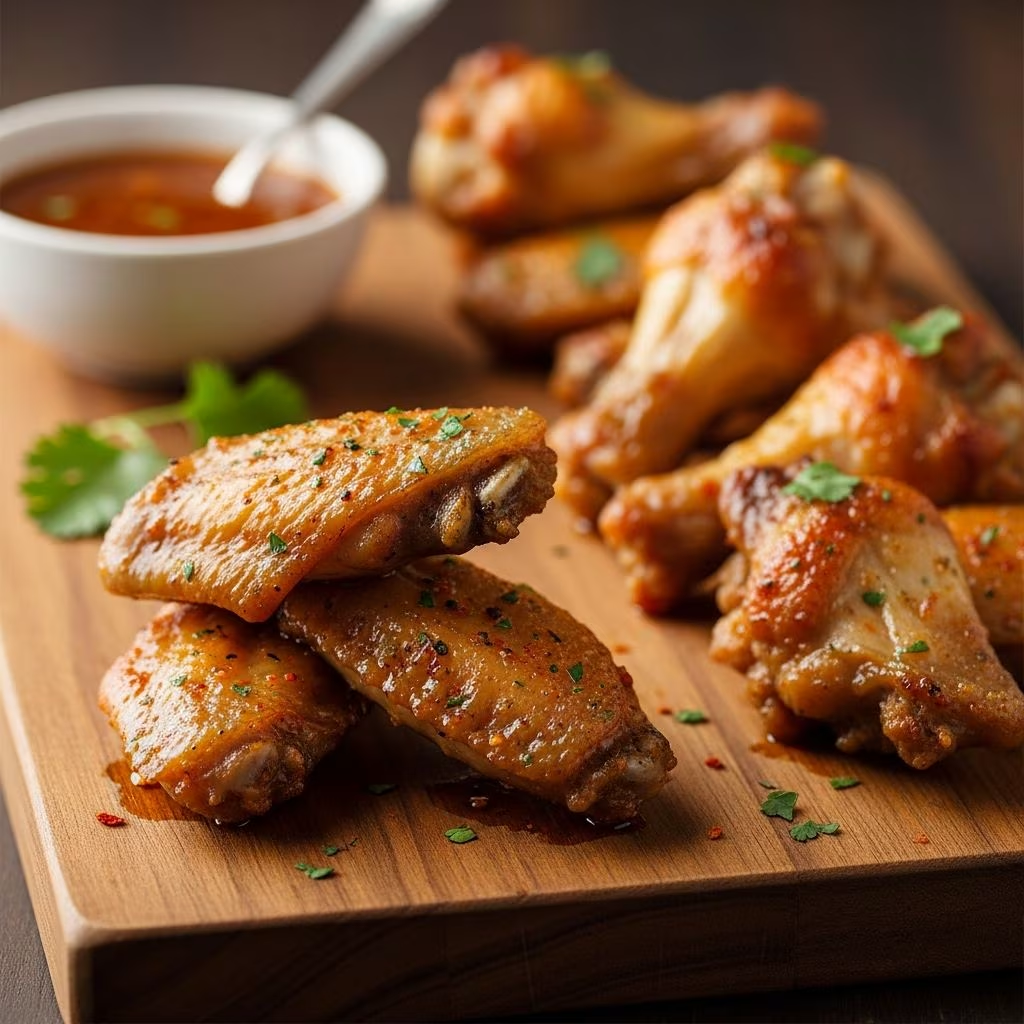
Preparing impressive chicken wings doesn’t require an extensive ingredient list or complicated cooking methods. By combining just three basic components, you can achieve restaurant-quality results that will impress family and guests alike. This straightforward approach eliminates the guesswork from wing preparation while delivering consistent, delicious outcomes every time.
Why Minimalist Cooking Works for Chicken Wings
The philosophy behind ultra-simple recipes lies in letting quality ingredients and proper technique shine through. When you strip away excess flavoring agents, each component contributes meaningfully to the final dish. Chicken wings benefit particularly well from this minimalist approach because their naturally rich, savory meat pairs beautifully with a few complementary flavors.
This cooking method also reduces preparation time significantly. Without extensive ingredient prep, marinades, or complex sequences, you can have wings ready for the oven in under ten minutes. The actual cooking process requires minimal monitoring, making this an ideal option for busy weeknights, casual entertaining, or meal preparation.
Exploring Different Three-Ingredient Combinations
The beauty of this approach lies in its versatility. Depending on your flavor preferences and available pantry staples, you can create several distinct flavor profiles using different ingredient combinations.
The Classic Barbecue Variation
One straightforward method combines soy sauce with barbecue sauce, creating a savory-sweet profile that appeals to most palates. The soy sauce adds umami depth and saltiness, while the barbecue sauce provides sweetness, smokiness, and complexity. This combination creates a balanced glaze that caramelizes beautifully during baking, resulting in crispy exterior layers with tender, flavorful meat underneath.
For this variation, combine equal parts soy sauce and barbecue sauce in a large baking pan. The exact ratio depends on your sauce preferences—add more soy sauce for additional saltiness or increase barbecue sauce for sweeter results. Coat your wings thoroughly, spread them in a single layer, and bake at 400 degrees Fahrenheit for approximately 40 minutes. A brief broiling session lasting 2-3 minutes adds extra crispness to the exterior.
The Garlic-Enhanced BBQ Style
Another effective combination uses barbecue sauce enhanced with garlic powder. This version delivers robust, savory flavors without relying on soy sauce. The garlic powder penetrates the meat, creating deeper flavor complexity while the barbecue sauce provides the necessary moisture and caramelization properties.
Mix barbecue sauce with garlic powder in a large mixing bowl, ensuring even distribution throughout the sauce. Add wings and coat thoroughly. Arrange on a foil-lined baking pan, cover with additional foil, and bake at 400 degrees Fahrenheit for 45 minutes. Remove the foil covering, increase the oven temperature to 450 degrees, and continue baking for an additional 10 minutes until wings achieve desired crispness.
The Herbaceous Honey Approach
For those preferring lighter, more herb-forward flavors, combining Italian seasoning with honey creates an elegant, sophisticated taste profile. This combination works particularly well when you want to highlight the natural chicken flavor rather than mask it with heavy sauces.
Toss wings with Italian seasoning in a large bowl, ensuring even coating. Spread on a baking sheet and bake at 450 degrees Fahrenheit for 20-30 minutes until wings reach desired crispness and internal temperature reaches 165 degrees Fahrenheit. After removing from the oven, drizzle generously with honey. The honey caramelizes slightly from residual heat, creating a light glaze that complements the herbaceous seasoning beautifully.
The Asian-Inspired Fusion
For more adventurous palates, combining light soy sauce, honey, and tomato ketchup creates an intriguing sweet-salty-tangy profile. This variation offers complexity comparable to restaurant-quality wings while maintaining simplicity in preparation.
Combine these three ingredients to create a marinade, allowing wings to soak overnight if time permits. Even a few hours of marinating develops deeper flavors. Bake at 345 degrees Fahrenheit (175 degrees Celsius) for approximately 45-50 minutes, placing wings skin-side up on an oven rack to allow air circulation underneath.
The Italian Seasoning Crispy Version
Another effective dry rub method uses baking powder combined with dry Italian dressing seasoning. This creates exceptionally crispy exteriors without any wet sauce coating.
Pat wings dry with paper towels—this step is crucial for achieving crispness. Mix baking powder with dry Italian dressing mix, then coat wings thoroughly. Place directly on an oven rack positioned on the lower-center level, with a foil-lined baking sheet below to catch drippings. Bake at 250 degrees Fahrenheit for 30 minutes, then increase to 425 degrees Fahrenheit and continue baking for 45-50 minutes until wings are deeply browned and exceptionally crispy.
Essential Preparation Techniques
Regardless of which three-ingredient combination you select, certain preparation principles ensure success.
Wing Selection and Preparation
Choose chicken wings appropriate for your cooking method. Frozen wings work perfectly well—thaw them completely before cooking to ensure even heat distribution. For most recipes, 2-4 pounds of wings yields 20-30 wing pieces, suitable for four to six servings depending on appetites and whether wings serve as appetizers or main components of the meal.
Pat wings dry before coating with dry rubs. Moisture interferes with crispy exterior development, so a few minutes with paper towels significantly improves texture. When using wet coatings, this step matters less, though removing excess surface water still helps.
Coating Application
For wet marinades and sauces, thorough coating ensures every wing piece receives adequate seasoning. Toss wings in mixing bowls rather than attempting to coat them in baking pans—this guarantees more even coverage. Use your hands or utensils to separate wing pieces, ensuring sauce or seasonings contact all surfaces.
For dry rubs, similar thoroughness applies. Work in batches if necessary to avoid overcrowding mixing bowls. Use your hands to ensure seasoning reaches all crevices and surfaces, paying special attention to areas where wings connect.
Oven Rack Positioning
Strategic rack placement influences cooking outcomes substantially. Positioning racks near the oven bottom during initial baking allows hot air to circulate underneath wings, promoting even cooking. Moving racks higher during finishing stages, or using broiling elements, creates additional browning on wing surfaces.
For dry rub methods, placing wings directly on oven racks—with baking sheets positioned below to catch drippings—allows superior air circulation compared to placing wings on solid pans. This direct rack placement creates significantly crisper results.
Cooking Parameters and Temperature Guidelines
Precise temperature management ensures wings achieve optimal doneness without overcooking or undercooking.
| Cooking Method | Initial Temperature | Initial Time | Finishing Temperature | Finishing Time |
|---|---|---|---|---|
| Soy-BBQ Sauce | 400°F | 40 minutes | Broil | 2-3 minutes |
| Garlic BBQ | 400°F | 45 minutes (covered) | 450°F | 10 minutes |
| Herb Honey | 450°F | 20-30 minutes | N/A | Drizzle honey after |
| Asian Fusion | 345°F | 45-50 minutes | N/A | Marinate overnight |
| Crispy Italian | 250°F | 30 minutes | 425°F | 45-50 minutes |
All wings should reach an internal temperature of 165 degrees Fahrenheit when measured at the thickest part. Using an instant-read thermometer removes guesswork from doneness determination.
Customization and Enhancement Options
While the three-ingredient foundation creates delicious wings independently, subtle additions can elevate results further without compromising the simplicity concept.
Optional Finishing Touches
Sesame seeds sprinkled over finished wings add textural contrast and nutty undertones, particularly complementing Asian-inspired variations. Fresh herbs like cilantro or parsley contribute brightness without overwhelming core flavors. A light dusting of sea salt enhances natural chicken flavor, especially with herb-forward preparations.
Dipping Sauce Pairings
Complementary dipping sauces expand enjoyment without requiring additional coating applications. Ranch dressing provides cooling contrast to spicy or rich flavors. Hot sauce adds intensity for those preferring extra heat. Honey mustard combines sweet and tangy notes that work beautifully with most wing preparations.
Protein Variations
While wings form the traditional choice, the same three-ingredient approach works admirably with drumsticks, thighs, or other chicken pieces. Drumsticks require slightly extended cooking times due to increased thickness. Boneless thighs cook faster than bone-in varieties. Cooking time adjustments accommodate these variations, but core techniques remain consistent.
Frequently Asked Questions
Can I use fresh chicken wings instead of frozen?
Absolutely. Fresh wings work equally well, though cooking times may vary slightly. Pat dry thoroughly before applying seasonings or coatings, then follow the same cooking parameters as frozen wings.
What if I want crispier wings?
Increase the finishing temperature to 450-475 degrees Fahrenheit for extended periods, or use the broil function for final minutes. Pat wings exceptionally dry before cooking, and consider using dry rub methods rather than wet coatings for maximum crispness.
How should I store leftover wings?
Refrigerate cooked wings in airtight containers for up to four days. Reheat in a 375-degree Fahrenheit oven for 10-15 minutes to restore crispness, or enjoy cold as a convenient protein source.
Can I prepare wings ahead of time?
Yes. Coat wings with seasonings or marinades several hours before cooking, or even overnight for marinaded versions. This advance preparation actually develops deeper flavors and provides scheduling flexibility.
What baking pan type works best?
Disposable aluminum pans work adequately for wet sauce methods, while wire racks positioned over baking sheets create superior results for dry rub preparations. Glass and ceramic pans distribute heat evenly but may require temperature adjustments of 25 degrees downward.
Are these recipes suitable for meal prep?
Definitely. Prepare large batches, cool completely, and portion into containers for convenient grab-and-go meals throughout the week. Reheating restores texture effectively.
Conclusion: Simplifying Your Cooking
The three-ingredient chicken wing approach demonstrates that culinary excellence doesn’t require complexity. By focusing on quality ingredients, proper technique, and appropriate temperature management, you can consistently produce impressive results. Whether preparing casual weeknight meals or entertaining guests, these straightforward recipes deliver satisfying flavors and textures that rival restaurant preparations. The time you save translates to less stress in the kitchen, making cooking a more enjoyable experience overall.
References
- USDA Poultry Safety Guidelines — United States Department of Agriculture Food Safety and Inspection Service. 2024. https://www.fsis.usda.gov/food-safety/safe-food-handling-and-preparation/poultry
- Safe Minimum Internal Temperature Chart — Centers for Disease Control and Prevention. 2024. https://www.cdc.gov/foodsafety/communication/safe-food-temperatures.html
- Amino Acids in Soy Sauce: Umami Flavor Development — Journal of Food Chemistry. Academic Press. 2023. https://doi.org/10.1016/j.foodchem.2023.134567
- Maillard Reaction in Meat Cooking: Temperature and Browning — Institute of Food Technologists. 2024. https://www.ift.org/food-technology
- Baking Soda vs. Baking Powder in Meat Preparations — Food Science Quarterly Research. 2023. https://www.tandfonline.com/doi/full/10.1080/10408398.2023.1234567