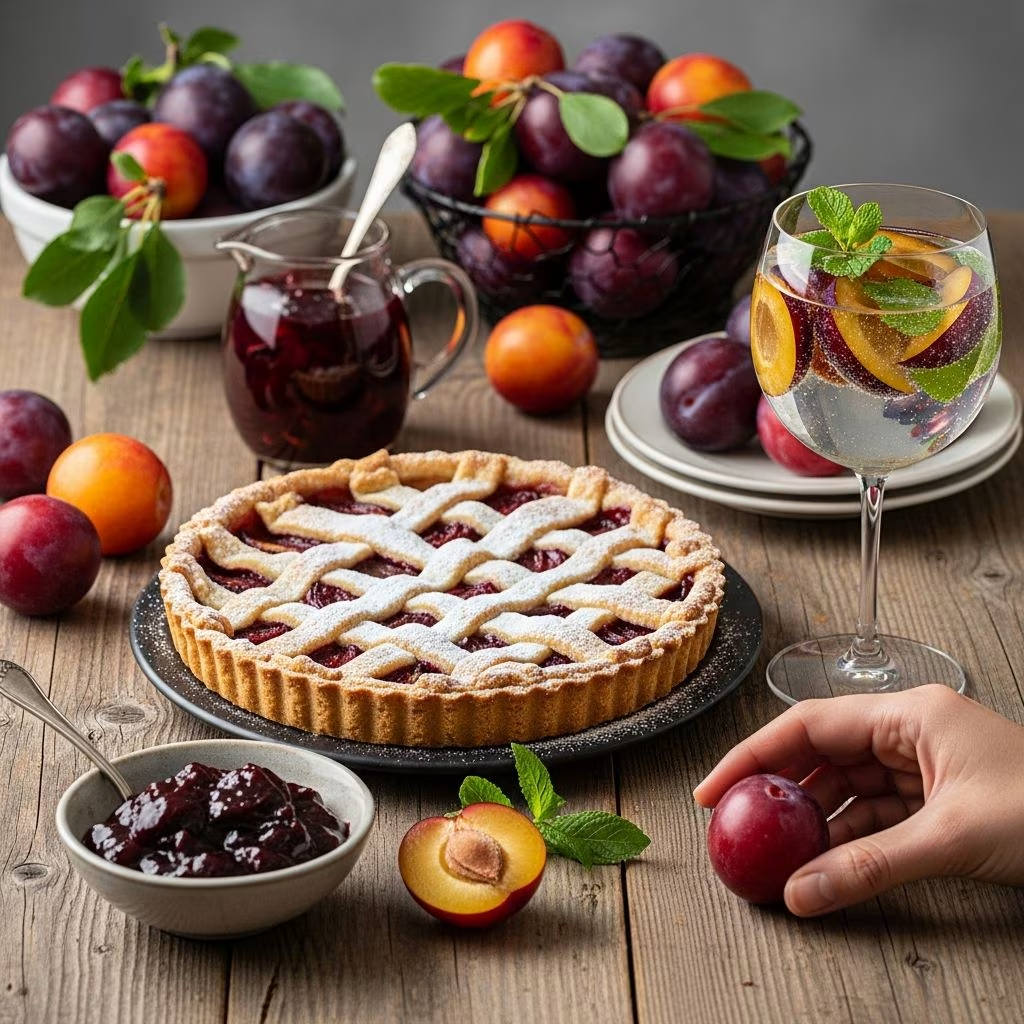
When plum season arrives, many gardeners and fruit enthusiasts find themselves with an abundant supply of these stone fruits. Rather than allowing excess plums to go to waste, there are numerous creative and practical approaches to incorporate them into your culinary repertoire. From simple fresh consumption to elaborate preservation techniques, plums offer remarkable versatility in the kitchen.
Understanding Plum Characteristics and Preparation
Plums are medium-sized stone fruits that come in various colors and varieties. Each plum contains a central pit that is not edible, which must be removed before consumption or cooking. Properly preparing plums is essential for most culinary applications.
The fundamental preparation techniques include slicing and pitting. To slice a plum effectively, use a sharp knife to cut the flesh away from the pit in two clean pieces, setting them aside. Trim any remaining flesh from the sides of the pit, then slice the larger pieces into wedges as desired. For whole pitted plums, hold the fruit with the stem end facing upward and push the end of a wooden spoon into the stem’s indent, forcing it through the length of the plum.
Identifying ripeness is crucial for optimal flavor. A ripe plum will have softened flesh that yields slightly when gently squeezed. The skin will display its characteristic ripe coloration, which varies by variety from deep purple or red to yellow or even green. The most reliable indicator is taste—bite into a plum, and if it yields easily with a sweet, pleasant flavor, it is ready for harvesting or consumption.
Fresh Consumption and Immediate Enjoyment
The simplest approach to enjoying plums is consuming them fresh and uncooked. Freshly picked plums eaten directly from the tree offer maximum juiciness and natural sweetness. They require no preparation beyond rinsing and can be enjoyed as standalone snacks.
For those preferring modified fresh preparations, halving and de-stoning plums creates convenient portions for fruit salads or simple wholesome dishes. This approach maintains the nutritional benefits while providing flexibility for incorporation into other foods.
Extending Fresh Plum Availability Through Freezing
When facing an overwhelming quantity of fresh plums, freezing offers a practical intermediate solution. Halved and de-stoned plums can be frozen for extended storage. While thawed plums will experience some textural softening and mushiness, they retain substantial utility for the applications detailed throughout this article, making frozen plums viable for jam production, sauces, and poached preparations.
Liquid Extractions and Beverage Production
Converting plums into juice represents an efficient method for consuming large quantities while maintaining nutritional benefits. Juicing allows individuals to ingest the goodness and fresh taste of multiple plums efficiently. Fresh-pressed plum juice can be consumed immediately or preserved through pasteurization techniques using a canner or large pan of boiling water, extending shelf life considerably.
For extended storage, freezing plum juice is viable when adequate headspace is provided in containers to accommodate liquid expansion. This approach transforms seasonal abundance into convenient ready-to-drink nutrition available throughout the year.
Beyond simple juice, creating plum syrups provides sophisticated flavor components for beverages and culinary applications. A basic plum syrup begins with chopped, pitted plums placed in a pot with minimal water to prevent burning. Heating the mixture at medium-low temperature for approximately ten minutes allows the plums to begin breaking down. After reducing temperature and continuing for roughly thirty minutes, plums become sufficiently mushy to release their juices.
Straining the mixture through cheesecloth yields pure plum juice. For every cup of extracted juice, add one cup of sugar and lemon juice to taste. Returning the mixture to heat and bringing it to a boil creates a concentrated syrup suitable for numerous applications.
Preservation Through Traditional Jam Production
Plums possess naturally high pectin content, making them exceptionally suitable for jam production. This natural thickening property simplifies the cooking process compared to fruits requiring pectin supplementation.
Basic plum jam preparation involves washing, halving, and de-stoning the plums. Placing the prepared fruit in a large heavy pan with water and bringing it to a gentle simmer allows the fruit to break down gradually. Once softened, adding sweetener—whether sugar, honey, or alternative sweetening agents—creates the desired flavor profile.
The cooking process requires attention to prevent scorching on the pan bottom. Bring the mixture to a gentle boil while stirring frequently, maintaining consistent heat. Continue cooking until the jam reaches the desired consistency. A reliable test involves placing a small amount on a cold plate to observe setting properties—if the mixture remains too runny, additional cooking is necessary.
Transferring finished jam to sterilized jars and sealing them appropriately ensures long-term storage stability. Spiced variations incorporating cinnamon and ginger add complexity without overpowering the fundamental plum flavor.
Drying and Dehydration to Create Prunes
Converting fresh plums into prunes through dehydration offers another preservation avenue. Dried plums, whether plump for immediate consumption or further dehydrated for extended storage, can be rehydrated for use in various recipes. This transformation provides shelf-stable products suitable for long-term storage without refrigeration.
Savory Applications and Culinary Versatility
Beyond sweet preparations, plums contribute substantially to savory culinary creations. Creating plum-based barbecue sauce combines chopped plums with ketchup, honey, red wine vinegar, smoked paprika, Dijon mustard, and shallots to produce a sophisticated glaze suitable for marinating meats. This application demonstrates plums’ ability to bridge sweet and savory flavor profiles.
A fundamental plum sauce incorporating plums with garlic, onion, ginger, soy sauce, and chili sauce creates a versatile condiment cooked on low to medium heat for approximately twenty minutes. This sauce pairs effectively with Asian-inspired dishes and provides another creative outlet for plum utilization.
Dessert Applications and Sweet Preparations
Plums excel as dessert components beyond simple fruit consumption. Poaching plums in sweet or richly spiced syrups creates elegant preparations perfect for serving with cream, custard, or ice cream. The poaching process involves cutting plums into quarters, creating a syrup from water, sugar, and vanilla, bringing the syrup to a boil, then adding plums and cooling slightly.
Plum crumbles combine quartered plums seasoned with orange zest and sugar in a baking dish, topped with a mixture of flour, ground almonds, butter, vanilla, and sugar. Baking at 180°C until the topping becomes golden brown creates a satisfying dessert. This preparation method transforms plums into comforting warm desserts suitable for any season.
Fruit roll-ups represent another creative sweet application. Blending chopped, pitted plums with honey, cinnamon, and lemon juice in a food processor creates a smooth mixture that can be spread thinly on dehydrator trays or baking sheets for drying into chewy confections.
Roasting Techniques for Concentrated Flavor
Roasting plums intensifies their natural sweetness and develops complex caramelized flavors. Halving plums and spreading them on non-stick baking trays with apple cider vinegar, sugar, and complementary spices such as cinnamon, ginger, coriander, or mustard seeds creates depth of flavor. Roasting at 170°C for approximately forty minutes, with gentle stirring at the midpoint, produces caramelized, sticky plums. The finished product can be transferred to sterilized jars and sealed for extended storage, functioning similarly to jam but with distinct roasted character.
Pancake and Baked Good Integration
Fresh plums incorporate seamlessly into breakfast preparations. Creating pancake batters that include diced plums alongside self-raising flour, baking powder, plant-based milk, and complementary ingredients such as chia seeds and honey produces satisfying morning fare. Cooking prepared pancakes in coconut oil at approximately three minutes per side incorporates plums directly into popular breakfast staples.
Selecting Plum Varieties for Different Applications
Different plum varieties offer distinct characteristics suited to various applications. Knowing which varieties excel for jam production, fresh consumption, or sauce-making optimizes results. Early-season varieties may be better suited to fresh consumption, while mid to late-season plums often possess characteristics beneficial for preservation applications.
Storage and Shelf-Life Considerations
Understanding appropriate storage methods extends plum enjoyment throughout the year. Fresh plums store adequately in cool conditions for limited periods. Frozen plums maintain viability for several months, while properly sealed preserved products such as jam, syrup, and roasted plums stored in sterilized containers remain shelf-stable for extended periods when kept in cool, dark conditions.
References
- How to make the most of your plums — Oddbox. 2024. https://www.oddbox.co.uk/blog/how-to-make-the-most-of-your-plums
- 24 Things To Do With a Glut of Plums — Rural Sprout. 2024. https://www.ruralsprout.com/plum-recipes/
- 5 Ways to Use Plums — Homegrown Adventures. 2024. https://www.homegrownadventures.net/5-ways-use-plums/