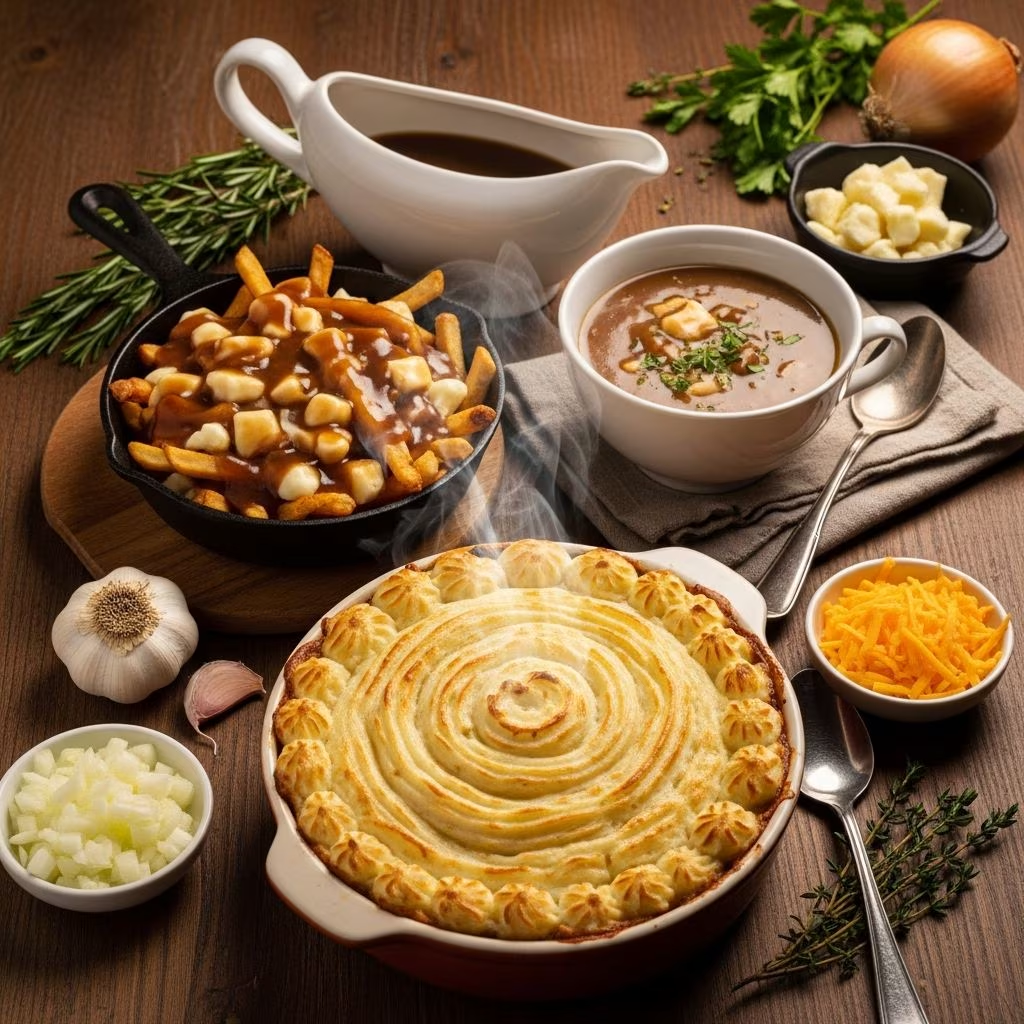
Leftover gravy often ends up in the trash or forgotten in the back of the refrigerator, but this rich, flavorful liquid deserves a second life. Whether you have brown gravy from a roast, white gravy from breakfast sausage, or turkey gravy from the holidays, there are countless ways to incorporate it into entirely new dishes. Understanding how to repurpose gravy not only reduces food waste but also provides quick solutions for weeknight dinners and creative cooking projects.
Preservation Techniques for Extended Storage
Before exploring creative recipe applications, it’s important to know how to properly store leftover gravy for future use. Proper storage extends the shelf life and maintains the quality of your gravy, allowing you to accumulate enough for more substantial dishes.
- Refrigerator Storage: Gravy can be kept in an airtight container in the refrigerator for up to four days. Always allow it to cool to room temperature before sealing to prevent condensation and bacterial growth.
- Freezer Storage: For longer-term storage, freeze gravy in airtight containers for up to three months. Alternatively, pour gravy into ice cube trays, freeze until solid, then transfer the cubes to freezer bags for portion control and easier thawing.
- Container Selection: Glass containers with tight-fitting lids work best for maintaining flavor and preventing freezer burn. Avoid storing gravy in uncovered containers or thin plastic bags.
Elevating Pasta Dishes With Savory Gravy
Gravy transforms ordinary pasta into restaurant-quality comfort food. The rich, savory sauce clings to noodles and creates a deeply satisfying meal without additional preparation.
Classic Stroganoff Application: One of the most versatile uses for gravy is in beef stroganoff. Heat your leftover gravy gently over medium-low heat and combine it with cooked ground beef or thin strips of steak. Add sautéed mushrooms, onions, and a dash of Worcestershire sauce for depth. Just before serving, stir in a generous spoonful of sour cream to create a creamy, luxurious texture. Serve the mixture over tender egg noodles for a dish that rivals restaurant versions.
Alternative Pasta Pairings: Gravy-based sauces work beautifully with different pasta shapes and preparations. Toss warm gravy with creamy mashed potatoes and egg noodles for a comforting side dish. For a more sophisticated presentation, combine gravy with sautéed mushrooms and serve over soft gnocchi. The pillowy gnocchi absorbs the savory sauce while maintaining its delicate texture.
Gourmet Ravioli Concept: For ambitious cooks, gravy can become a filling ingredient in homemade ravioli. Mix leftover gravy with mascarpone cheese to create a smooth, flavorful filling. Incorporate shredded turkey or ham for additional protein. Brown butter infused with sage provides an aromatic finishing touch that elevates this dish from simple to elegant.
Hearty Protein-Based Dishes
Gravy serves as the binding and flavoring agent in numerous meat-based preparations, transforming simple ingredients into cohesive, satisfying meals.
Shepherd’s Pie Revival: This classic layered casserole becomes even easier when you have leftover gravy on hand. Brown ground beef or lamb in a skillet and combine it with your gravy along with finely diced vegetables—either fresh or frozen mixed vegetables work equally well. Spread this mixture into a baking dish and top generously with leftover mashed potatoes. Bake at 375°F until the top is golden and the filling is bubbling around the edges. If you have both leftover gravy and leftover mashed potatoes, this dish comes together in minutes.
One-Pot Stew Preparation: Convert your gravy into a complete stew by combining it with cooked meat, potatoes, and vegetables. If your gravy quantity seems insufficient, prepare a simple béchamel sauce by whisking flour into melted butter, then gradually adding milk. Combine this white sauce base with your leftover gravy, meat, and vegetables for a hearty stew with complex flavor layers.
Salisbury Steak Enhancement: When making Salisbury steaks, skip the recipe’s suggested gravy and use your leftover version instead. Form ground beef patties and cook them until browned. Top with your prepared gravy mixed with caramelized onions for an unexpectedly retro and deeply satisfying meal.
Sandwich Solutions and Quick Meals
Gravy transforms humble bread into restaurant-quality sandwiches and quick meals, making it an excellent option for busy weeknights or unexpected guests.
Traditional Hot Sandwich Method: Stack sliced bread with hot roasted chicken, turkey, or beef, then ladle warm gravy over the top. The heat softens the bread slightly while the gravy soaks through, creating a messy and delicious eating experience. This approach works best with sturdy bread varieties that won’t disintegrate under the weight of the gravy.
Chopped Mixture Approach: For a more contained sandwich experience, chop cooked meat along with any leftover potatoes or stuffing. Mix this combination thoroughly with your gravy, heat until steaming, then spoon onto fresh bread. This method provides better structural integrity and allows for easier handling.
Gourmet Spreads and Toast: Cooled gravy can be spread onto bread like mayonnaise or butter, then toasted in the oven before adding other ingredients. This technique works particularly well with roasted chicken sandwiches. Some chefs recommend this preparation specifically for turkey sandwiches, where the gravy’s savory notes complement poultry perfectly.
Breakfast and Brunch Applications
Gravy need not be limited to dinner service; it provides excellent options for morning and midday meals.
Biscuits and Gravy Traditions: One of the most beloved applications involves heating white gravy with crumbled breakfast sausage and spooning the mixture over warm, split biscuits. Add black pepper or hot sauce to achieve the traditional kick associated with sausage gravy. This preparation requires minimal effort but delivers maximum comfort and satisfaction.
Casserole Adaptations: Transform the classic biscuits and gravy concept into a casserole by layering cubed biscuits or bread, cooked sausage, and gravy in a baking dish. Top with cheese if desired and bake until bubbly. This dish can be prepared ahead and reheated, making it ideal for feeding a crowd.
Egg Benedicts Reimagined: Try a simpler variation of Eggs Benedict by topping English muffins with ham or Canadian bacon, a poached egg, and warm gravy instead of hollandaise. The rich gravy provides similar sauce benefits with a different flavor profile and significantly easier preparation.
Soup and Chowder Integration
Gravy enriches soups and chowders, adding body, flavor, and creaminess without extensive additional ingredients.
Thickening and Flavoring Agent: Add gravy to existing soups to create a thicker, more luxurious texture and enhanced meat flavor. Chicken or turkey gravy works particularly well in chicken soup, creating a more substantial, satisfying bowl. The gravy simultaneously thickens the broth and amplifies the poultry flavors.
Type-Specific Applications: White gravies pair beautifully with seafood chowders like clam chowder, where the creamy base complements briny clam flavors. Brown gravies can boost umami in tomato soups, creating an unexpectedly delicious combination of savory and acidic elements. Consider the gravy’s primary protein when selecting which soup to enhance.
Chili and Specialty Soups: Gravy adds depth to chili by enriching the broth and complementing spice profiles. The addition contributes meaty notes that deepen the overall flavor complexity without requiring hours of simmering.
Pie and Pastry Fillings
Gravy serves as a perfect filling ingredient for various enclosed pastry preparations, providing moisture and flavor to every bite.
Traditional Pot Pie Construction: Combine chopped cooked chicken, beef, or turkey with mixed vegetables and gravy, then top with pie crust before baking. The gravy ensures the filling remains moist throughout cooking while distributing flavor evenly. This approach works for any variety of meat pot pie, from chicken to beef to seafood variations.
Chicken and Dumplings: Create this beloved comfort dish by combining cooked chicken, vegetables, and gravy in a large pot. Thin the gravy slightly with water or milk to achieve soup-like consistency, then gently drop dumpling dough into the simmering liquid. The dumplings cook directly in the flavorful broth, absorbing rich gravy flavors.
Pasty and Pie Variations: Gravy can moisten the fillings of Cornish pasties, Michigan-style meat pasties, and cottage or shepherd’s pies. The gravy prevents these enclosed meat-and-vegetable combinations from drying out during baking while adding luxurious texture.
Ground Meat and Hash Dishes
Gravy transforms ground meat preparations into complete, restaurant-quality dishes with minimal additional ingredients.
Hamburger Hash Evolution: Traditional hamburger hash requires preparing a flour-thickened sauce with milk. Skip this step by using your leftover gravy instead, which already provides the necessary body and flavor. Brown ground beef, combine with gravy, and serve over egg noodles or mashed potatoes for a quick dinner.
Meatball Integration: Prepare oven-baked or pan-fried meatballs and finish them in gravy instead of preparing sauce from scratch. This approach reduces cooking time while ensuring tender meatballs with deep, rich flavor. Quick sausage meatballs work particularly well in this application.
International and Unexpected Applications
Gravy’s versatility extends beyond traditional American comfort food, offering surprising possibilities for international cuisine.
Curry Innovation: Transform your gravy into a curry by adding coconut milk and curry powder or curry paste. Combine with chicken, cauliflower, or chickpeas for a complete meal served with rice and naan bread. This application demonstrates how gravy can transcend its cultural origins to complement entirely different culinary traditions.
Fried Chicken Preparation: Layer fried chicken or chicken-fried steak with additional gravy, then cook it down to intensify flavors and create a glazed, saucy preparation. This technique works equally well with store-bought fried chicken or homemade versions.
Simple Combination Meals
Sometimes the most effective use of leftover gravy involves straightforward combinations without elaborate preparation.
Microwave Revival: If you have multiple leftovers but lack inspiration for a specific dish, combine them on a plate—meat, potatoes, vegetables, and any other components—top generously with gravy, and microwave until heated through. This approach satisfies the “clean out the refrigerator” goal while creating a complete, satisfying meal.
Frequently Asked Questions
How long can I store leftover gravy?
Gravy keeps in the refrigerator for up to four days in an airtight container. For longer storage, freeze it in airtight containers for up to three months, or pour it into ice cube trays for convenient portioning.
Can I freeze gravy without quality loss?
Yes, gravy freezes very well. Store it in airtight containers or ice cube trays. When thawing, slowly reheat over medium-low heat, stirring occasionally. Avoid rapid temperature changes, which can cause separation.
What’s the best bread for gravy sandwiches?
Sturdy breads that won’t immediately disintegrate work best. Choose white bread, wheat bread, or artisan varieties with good structural integrity. Avoid soft breads that absorb excessive moisture.
Can I combine different types of leftover gravy?
Combining gravies with compatible flavor profiles generally works well. Brown gravies blend easily together, as do white gravies. Mixing brown and white gravies can create interesting new flavors, though this depends on the specific recipes and ingredients.
How do I thin gravy that’s too thick?
Gradually add water, milk, or broth while stirring over low heat. For cream-based dishes, use milk or half-and-half. For soups and stews, water or broth works best. Add small amounts and stir well before adding more.
What if my gravy has separated or broken?
Gravy can sometimes separate during storage or reheating. Place it in a blender or food processor and blend until smooth. Alternatively, strain it through a fine-mesh sieve and gently reheat while whisking constantly.
Planning Ahead With Intentional Leftover Management
To maximize your gravy utilization, consider making extra during cooking specifically for future meals. When preparing a roast, sauce, or holiday meal, prepare additional gravy beyond immediate serving needs. Store it strategically in the freezer, knowing you have quality ingredients ready for quick weeknight meals.
Having frozen gravy cubes available transforms simple ingredients into restaurant-quality dishes. A protein, some vegetables, and a gravy cube create complete meals in minutes. This approach to meal planning reduces food waste while ensuring you always have options for quick dinners.
References
- 21+ Uses for Leftover Gravy — Cook the Story. Accessed April 2026. https://cookthestory.com/uses-for-leftover-gravy/
- 5 Mouth-Watering Uses For Leftover Gravy — The Takeout. Accessed April 2026. https://www.thetakeout.com/2126525/how-to-use-up-leftover-gravy/