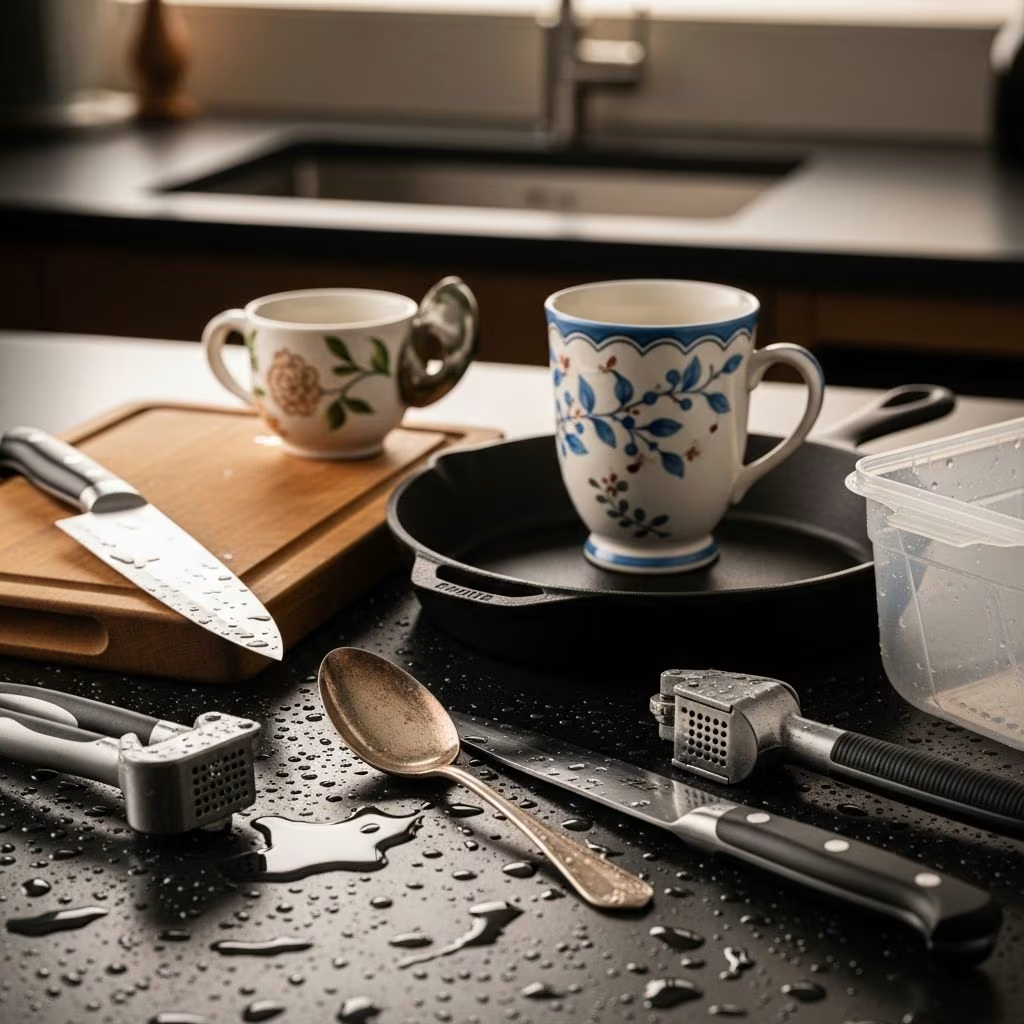
The dishwasher is one of the most convenient kitchen appliances, saving time and effort when it comes to cleaning up after meals. However, not everything that comes into contact with food should go into this mechanical cleanser. Many items require gentle, hand-wash care to maintain their integrity, appearance, and functionality. Understanding which pieces of kitchenware demand special attention can help preserve your investment and ensure these items serve you well for years to come.
Why Some Items Need Special Care
Dishwashers operate using intense water pressure, elevated temperatures, and powerful detergents designed to remove stubborn food residue from everyday plates and bowls. While this process is effective for most standard dinnerware, certain materials and construction methods cannot withstand these harsh conditions. The combination of heat cycling, abrasive detergent formulas, and repeated mechanical washing can cause permanent damage including discoloration, warping, coating degradation, and structural compromise.
Additionally, the dishwasher environment can create conditions that accelerate wear on delicate finishes and specialized materials. Understanding the properties of your kitchenware helps you make informed decisions about which pieces deserve hand-washing treatment.
Non-Stick Cookware and Bakeware
Non-stick coatings represent a significant technological advancement in cookware design, but they require protective care to maintain their effectiveness. Dishwasher cycles can compromise these specialized surfaces through several mechanisms. The aggressive water jets can chip away at coatings, the high temperatures can weaken the bond between coating and substrate, and alkaline detergents can chemically degrade the non-stick layer.
Hand washing with mild soap and soft sponges preserves these coatings. For non-stick skillets, cake pans, and baking sheets, a simple wash immediately after use prevents food from bonding to the surface, making manual cleaning actually quite effortless. Proper maintenance of non-stick cookware extends its useful lifespan significantly and ensures consistent cooking performance.
Fine China and Porcelain Dinnerware
Delicate porcelain and fine china collections often represent significant financial and sentimental investment. These refined pieces feature intricate glazes, hand-painted details, and gold or platinum accents that cannot survive dishwasher conditions. The mechanical action of the wash jets, combined with the heat and harsh chemicals, causes gradual dulling of finishes and fading of decorative elements.
The vibration and movement within the dishwasher basket also increases collision risk between pieces, potentially causing chips and cracks. Furthermore, the intense heat can cause warping or separation of glazed layers on older pieces. These treasured items deserve the respect of hand washing in warm, soapy water with careful attention to drying them immediately to prevent water spotting.
Cast Iron Skillets and Cookware
Cast iron represents one of the most durable cookware materials available, capable of lasting generations with proper care. However, the dishwasher poses serious threats to the seasoned surface that makes cast iron so valuable. The alkaline detergent strips away the polymerized oil layer that prevents rust and provides non-stick properties. The intense water exposure also promotes oxidation and corrosion.
Additionally, the rapid temperature changes in dishwashing cycles can cause the iron to warp or crack due to thermal stress. Cast iron demands simple hand washing with minimal water exposure, immediate drying, and occasional re-seasoning to maintain its protective coating and cooking characteristics. This minimal maintenance investment preserves the cookware’s utility and historical character.
Wooden Utensils and Cutting Boards
Wood represents a natural material that has served in kitchens for centuries, offering aesthetic appeal and functional benefits. However, the dishwasher environment proves hostile to wood in multiple ways. Prolonged water exposure causes wood fibers to swell and absorb moisture, leading to warping, cracking, and splitting. The heat accelerates this absorption process and can cause finishes to peel or separate.
Additionally, wooden items can transfer flavor compounds or absorb odors in the dishwasher environment, compromising their quality. Wooden spoons, spatulas, cutting boards, and serving pieces should be washed by hand with warm soapy water and dried immediately. This simple care protocol maintains the wood’s integrity, prevents mold growth, and preserves the natural beauty of these kitchen essentials.
Knives and Sharp Cutlery
Kitchen knives represent both functional tools and potential safety hazards when improperly maintained. The dishwasher creates several problems for blade integrity and kitchen safety. High-temperature water can damage tempered steel, reducing edge retention and blade strength. The mechanical tumbling and contact with other items dulls blades significantly faster than hand washing would.
Furthermore, loose knives bouncing around the dishwasher create safety risks during unloading, with potential for serious cuts. The handles can also deteriorate when exposed to prolonged moisture and heat, especially if constructed from wood or composite materials. Hand washing knives individually, drying them immediately, and storing them properly preserves blade sharpness, extends handle lifespan, and maintains kitchen safety.
Glass Stemware and Delicate Glassware
Crystal glasses, vintage stemware, and delicate wine glasses require special consideration. The dishwasher’s mechanical action and high temperatures can cause thermal shock to thin-walled glasses, resulting in cracking or clouding. The detergent can leave residue on drinking surfaces, affecting the taste of beverages. Additionally, delicate stems can break during the washing and drying cycles due to the tumbling action.
Hand washing these items in warm soapy water with a soft cloth prevents damage and maintains optical clarity. This approach also reduces the risk of breakage during handling in the dishwasher basket. For stemware collections, whether inherited heirlooms or special occasion glasses, hand washing becomes an investment in preservation.
Aluminum Cookware and Bakeware
Aluminum conducts heat efficiently, making it popular for cookware and baking sheets. However, the dishwasher environment can damage both bare and anodized aluminum through several mechanisms. Alkaline detergents chemically react with aluminum, causing pitting and discoloration. Water exposure can create white oxidation marks on bare aluminum surfaces.
Anodized aluminum, which features a protective oxidized surface layer, can experience coating deterioration in the dishwasher. The combination of heat, moisture, and detergent gradually breaks down this protective barrier. Hand washing with mild soap and soft materials preserves the surface integrity and maintains the appearance and functionality of aluminum cookware.
Copper Cookware and Decorative Items
Copper brings both aesthetic appeal and functional heat-conducting properties to the kitchen. However, this reactive metal requires careful handling. Dishwashers can cause rapid oxidation and tarnishing of copper surfaces, creating a dark patina that some prefer to avoid. The detergents used in dishwashers are particularly harsh on copper finishes.
Additionally, if copper cookware features tin linings or other protective coatings, the dishwasher can damage these surfaces. Hand washing allows for gentle care and selective polishing as needed. For decorative copper items or copper-bottomed cookware, this approach maintains the lustrous finish and extends the lifespan of these distinctive kitchen pieces.
Insulated and Thermal Items
Thermos bottles, insulated containers, and travel mugs often feature complex internal structures with sealed insulation layers. The dishwasher’s heat and moisture can compromise the seal integrity, reducing insulation effectiveness. Some thermal items use glues and seals designed for lower temperature exposure, which can deteriorate in the dishwasher.
Hand washing these items preserves their thermal properties and extends their functional lifespan. Additionally, many insulated items cannot be disassembled, making hand washing the only safe option for thorough cleaning of all surfaces, including hard-to-reach interior areas.
Specialty Cookware with Non-Traditional Bases
Cookware with copper, tri-ply, or clad bases often features specialized construction designed to optimize heat distribution. These multi-layer bases can separate or become damaged in the dishwasher due to the thermal cycling and mechanical action. Warranty information for many premium cookware brands explicitly prohibits dishwasher use for this reason.
Hand washing protects this specialized construction and maintains the optimal heat-conducting properties these bases provide. The additional care taken during hand washing prevents the warping and separation that can compromise cooking performance.
Practical Tips for Hand Washing Kitchen Items
- Use appropriate water temperature: Warm rather than hot water reduces thermal shock risk for delicate items
- Choose gentle soap: Mild dish soap prevents damage to finishes and coatings
- Use soft cleaning tools: Non-abrasive sponges and soft brushes protect surfaces from scratching
- Dry immediately: Prevents water spotting, mineral deposits, and oxidation
- Store properly: Arrange items to prevent chipping and protect surfaces from contact damage
- Inspect regularly: Check cookware and dinnerware for signs of damage or coating degradation
Frequently Asked Questions
Can any cookware go in the dishwasher?
While some cookware with stainless steel construction can tolerate dishwasher cleaning, most specialty cookware benefits from hand washing to preserve its functionality and appearance.
What happens if I accidentally put cast iron in the dishwasher?
Occasional dishwashing of cast iron may not cause immediate damage, but repeated exposure will strip the seasoning, promote rust, and compromise the cookware’s non-stick properties. Immediate re-seasoning can help restore protection.
How often should I hand wash versus using the dishwasher?
Most kitchenware benefits from regular hand washing. Reserve the dishwasher for everyday dishes and cookware that manufacturers specifically approve for machine washing.
Are there any items that should never be stored in the dishwasher between uses?
Yes, avoid storing sharp items, fine china, or cast iron in the dishwasher even when not running, as humidity and temperature fluctuations in this enclosed space can cause damage.
Protecting Your Kitchen Investment
The dishwasher undoubtedly simplifies kitchen cleanup for everyday items, but respecting the limitations of certain kitchenware through hand washing represents a small effort that pays significant dividends. Whether protecting family heirlooms, extending the lifespan of quality cookware, or maintaining the functionality of specialized kitchen tools, hand washing remains the gold standard for caring for delicate and valuable pieces.
By understanding which items require special attention and why, you make informed decisions that protect your kitchen investment and ensure these essential tools continue to serve well for years to come. The few extra minutes spent hand washing these items today translates into extended functionality, maintained appearance, and preserved value tomorrow.
References
- Consumer Reports: 5 Things You Should Never Put in the Dishwasher — Consumer Reports. https://www.consumerreports.org/video/view/home-garden/news/6328207047112/5-things-you-should-never-put-in-the-dishwasher/
- Dishwasher Safety and Care Guidelines — American Home Appliance Manufacturers. https://www.aham.org/
- Cookware and Kitchenware Material Properties — National Institute of Standards and Technology. https://www.nist.gov/