Cookie dough represents one of the most versatile ingredients found in modern kitchens. Whether you’re working with store-bought refrigerated tubes or freshly prepared homemade dough, the possibilities extend far beyond the conventional practice of rolling balls, flattening them on a baking sheet, and waiting for them to bake. By exploring alternative applications for this humble ingredient, home bakers can create an impressive array of sophisticated desserts that will surprise and delight both family members and dinner guests.
The transformation of cookie dough into different dessert formats opens up a world of culinary creativity. Rather than limiting yourself to traditional round cookies, you can leverage the inherent sweetness and buttery composition of cookie dough to serve as foundations, crusts, fillings, and components for completely different dessert categories. This approach not only expands your dessert repertoire but also makes efficient use of refrigerated dough products that may already be sitting in your fridge.
Creating Foundation Layers for Bar Desserts
One of the most straightforward applications involves using cookie dough as a replacement for traditional shortbread or butter-based crusts in bar desserts. This technique works particularly well for any bar recipe that traditionally calls for a thick base layer. Rather than mixing and patting down a separate crust component, simply press your cookie dough directly into the bottom of a prepared baking dish.
For bar creations, start by preheating your oven to 350 degrees Fahrenheit. Lightly spray or grease a 9-by-13-inch baking dish to prevent sticking. Take your cookie dough—either from a refrigerated tube or prepared from scratch—and press it evenly across the entire bottom surface of the dish. Ensure the layer is uniform in thickness to promote even baking and consistent texture throughout the finished product.
This foundation approach works beautifully with lemon bars, where the bright citrus filling contrasts elegantly with the slightly sweeter cookie base. You can also use this method for pumpkin bars, creating an autumn-inspired dessert with minimal additional effort. The cookie dough base will bake to a golden, sturdy foundation that holds its shape while remaining tender enough to provide a pleasant eating experience. The result is a crust that carries subtle sweetness without overwhelming the filling ingredients.
Building Elegant Fruit and Chocolate Compositions
Pizza-style desserts offer another avenue for cookie dough innovation. Transform your dough into a large, flat base that serves as an edible canvas for various toppings and finishes. To create a fruit pizza, spread a tube of sugar cookie dough evenly across a lightly greased pizza pan. Bake at 350 degrees for 10 to 15 minutes, watching carefully until the edges just begin to brown lightly. This timing prevents over-baking while ensuring the center sets properly.
Once your cookie base has cooled completely, the real creativity begins. Spread a layer of cream cheese frosting or pastry cream across the surface, then arrange fresh fruits in decorative patterns. Strawberry slices, kiwi pieces, blueberries, raspberries, and mandarin orange segments all create visually striking arrangements. A light glaze of apricot jam or honey adds both shine and subtle flavor to tie everything together.
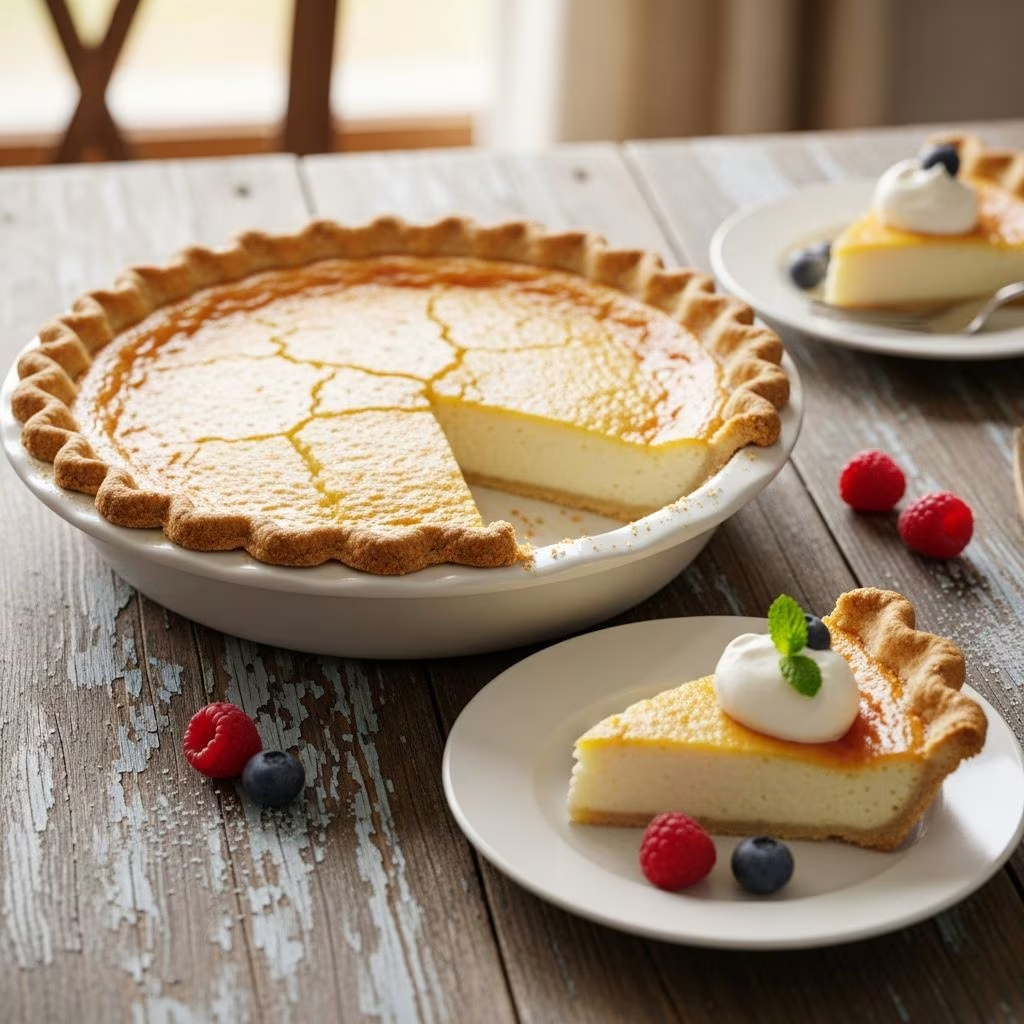
For chocolate lovers, construct a sophisticated chocolate pie using cookie dough as the crust component. Press your dough into a lightly greased pie plate and bake at 350 degrees for approximately 18 to 20 minutes. Allow the crust to cool completely before filling. This approach circumvents the need for separate pie crust ingredients and creates a dessert where the cookie base complements chocolate filling beautifully.
Transforming Dough Into Individual Serving Vessels
Cookie dough can be molded into cup shapes to create elegant individual serving containers. Start by pressing portions of dough into greased muffin tins, ensuring even coverage along the bottom and sides. Bake until the edges turn golden brown, approximately 12 to 15 minutes at 350 degrees. These edible cups become perfect vessels for mousse, pudding, whipped cream, ice cream, or fresh fruit compotes.
The beauty of this application lies in its versatility and presentation impact. Individual cookie cups elevate a simple filling into a composed plated dessert suitable for dinner parties or special occasions. Guests appreciate both the novelty of eating from an edible container and the flavor combination of crispy or chewy cookie base with whatever filling you choose to include.
Constructing Layered Frozen Confections
Cookie dough transforms into an impressive centerpiece when incorporated into ice cream cakes. Press or spread cookie dough across the bottom of a springform pan or similar vessel, then bake until set. Once cooled, add layers of softened ice cream in your chosen flavors, then additional layers of baked cookie dough pieces or cookie crumbles.
Freeze the assembled cake until solid, which typically requires several hours or overnight. This approach creates a dessert with multiple textural contrasts—the crispness of baked dough, the creamy coldness of ice cream, and potentially crunchy mix-ins like chocolate chips or nuts. The finished cake can be topped with whipped cream, chocolate drizzle, or caramel sauce before serving.
Developing Filled Cookie Innovations
By preparing golf-ball-sized portions of dough and carefully creating small openings without penetrating completely through, you can stuff cookies with various fillings before baking. This technique transforms ordinary cookies into gourmet experiences.
Salted Caramel Variation: Make a small indentation in each dough ball, sprinkle a tiny amount of sea salt into the opening, and insert a caramel candy. Carefully mold the dough around the filling to seal it completely. Bake as directed, and enjoy the surprise of warm caramel oozing from the center.
S’More Adaptation: Create an opening in each dough portion large enough to accommodate a small piece of chocolate and one or two miniature marshmallows. Seal the dough carefully and bake. The heat will slightly melt both the chocolate and marshmallow, creating a campfire-inspired treat without an actual campfire.
Chocolate Hazelnut Integration: Press the back of a half-teaspoon measuring spoon into each dough ball to form a shallow well. Fill each well with a heaping half-tablespoon of chocolate hazelnut spread. Mold the dough to seal and bake until golden. These cookies deliver concentrated pockets of rich, nutty chocolate flavor.
Enhancing Flavor Profiles Through Modification
Beyond structural transformation, you can elevate store-bought cookie dough by incorporating additional flavoring elements before baking. These additions don’t require extra baking time or technique adjustments—simply mix them into the dough and proceed with your chosen recipe.
Spice Integration: Roll portions of dough in a cinnamon-sugar mixture before flattening and baking to create snickerdoodle variations. Equal parts cinnamon and granulated sugar create the classic flavor combination that appeals to both children and adults.
Citrus Enhancement: Incorporate orange zest and a splash of orange extract into cookie dough to create a sophisticated citrus version. Add dried cranberries for additional complexity and visual appeal. This combination works particularly well for impressing guests at cookie exchanges or formal gatherings.
Extract Experimentation: Almond extract brings versatility to cookie dough, providing flavors ranging from wedding cake elegance to Italian amaretto inspiration. Vanilla extract intensification, peppermint extract for seasonal treats, or coconut extract for tropical variations all offer simple yet impactful modifications.
Creating Cobbler Bases
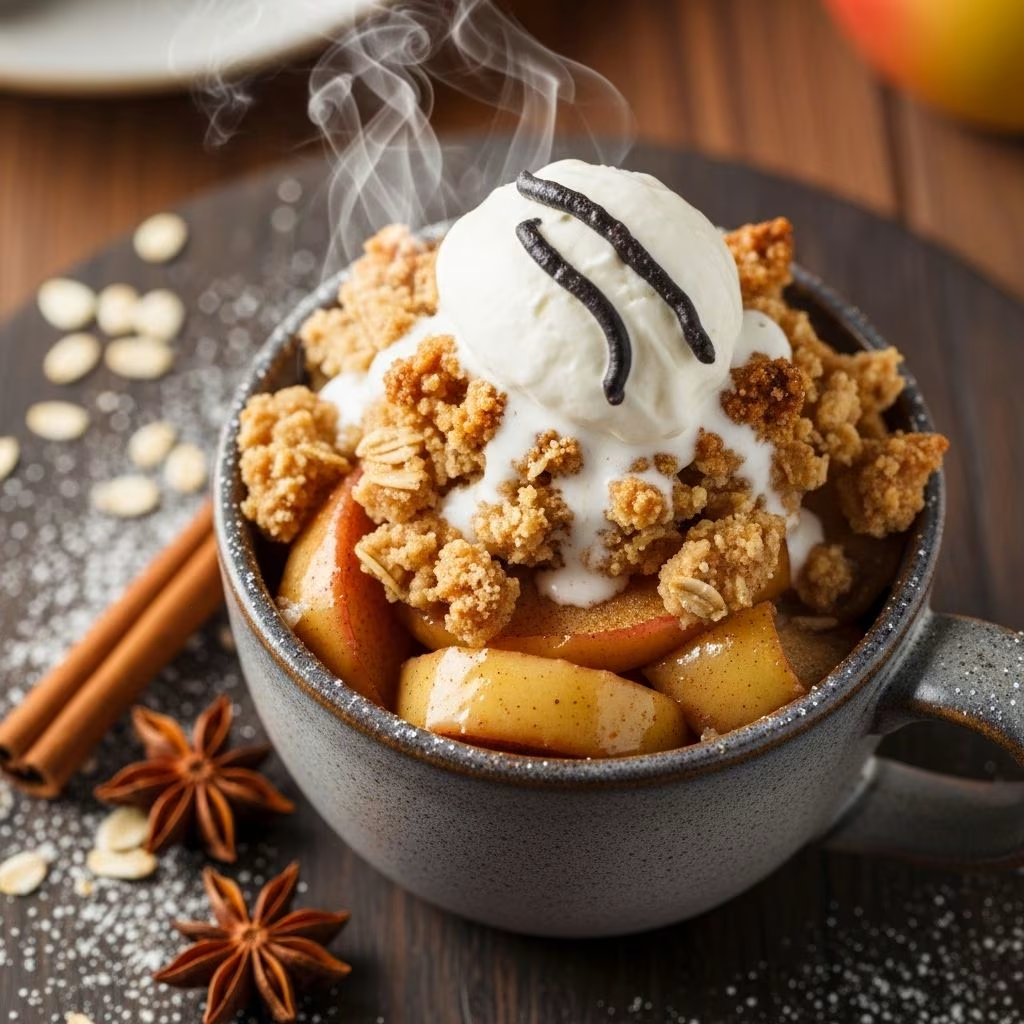
Fruit cobblers traditionally feature biscuit or cake-based toppings. Cookie dough provides an alternative topping that bakes to golden perfection while lending subtle sweetness to complement fruit fillings. Prepare your favorite fruit filling in a baking dish, then top with portions of cookie dough rather than traditional cobbler topping.
Apple-based cobblers benefit particularly from this approach, as the slight sweetness of the cookie dough contrasts beautifully with tart apples and warming spices. Break off pieces of dough and distribute them across the fruit surface, leaving small gaps for steam to escape. Bake at the temperature specified in your dough package instructions until the fruit bubbles at the edges and the cookie dough topping turns golden brown.
Crafting Decorative Baked Sticks
Cookie dough can be shaped into sticks or logs for a completely different textural and visual experience. Cut refrigerated dough logs into thin slices, or form freshly prepared dough into stick shapes. For white chocolate variations, dip prepared sticks in melted white chocolate and allow excess to drip away. Set on parchment paper and optionally sprinkle with chopped nuts, sprinkles, or dried fruit before the chocolate sets.
Chocolate chip versions follow a similar process, creating elegant treats that feel more sophisticated than traditional cookies while requiring minimal additional effort. These stick-shaped cookies work well for gift baskets, party favors, or as components of mixed dessert platters.
Developing Specialty Candy Combinations
Transform cookie dough into turtle-inspired candies by baking pieces until partially done, then topping with pecans, caramel, and chocolate. Roll dough balls in sprinkles—either traditional multicolored varieties or single colors for more coordinated presentations—before baking for visual interest and texture variation. These approaches demonstrate how easily cookie dough accepts surface modifications that translate into completely different eating experiences.
Baking Seasonal Pumpkin Variations
Combine cookie dough with pumpkin puree and self-rising flour to create a completely different baked good. This technique works with either sugar cookie dough or chocolate chip dough, depending on your preference. Mix one roll of dough with one can of pumpkin puree and three-quarter cup of self-rising flour, then add eggs to create a muffin or cupcake batter.
This application demonstrates how cookie dough serves as a flavor and fat base for expanded recipes. The resulting baked goods contain the comforting spices and texture associated with autumn baking while maintaining the underlying cookie dough character. Frost these creations with cream cheese frosting for a cohesive flavor profile, or pair with cinnamon-spiced whipped cream.
Planning Your Cookie Dough Projects
When selecting which transformation technique to pursue, consider several factors. Evaluate the size of your gathering and whether individual portions or one large dessert makes more practical sense. Think about advance preparation time—some recipes can be partially completed days ahead, while others require minimal assembly immediately before serving.
Consider temperature requirements as well. Frozen applications work well during warmer months, while baked variations suit year-round entertaining. Think about flavor combinations that complement your planned meal. If you’ve served rich main courses, lighter fruit-based cookie dough desserts might appeal more than chocolate-heavy variations.
Storage and Make-Ahead Strategies
Many cookie dough transformations benefit from advance preparation. Baked cookie bases for pies or fruit pizzas can be prepared two to three days ahead and stored in airtight containers. Ice cream cakes require freezing anyway, making them perfect make-ahead options for entertaining. Filled cookies bake the same day but can be prepared through the filling stage hours in advance.
Store-bought dough extends your preparation timeline. Rather than waiting for dough to come to room temperature before working with it, many applications actually benefit from firmer, colder dough that holds its shape more easily during molding or shaping.
Frequently Asked Questions
Can you use store-bought cookie dough for all these applications?
Yes, store-bought refrigerated cookie dough works for virtually all the techniques described. The baking temperatures and times may vary slightly depending on whether you’re using it as a base, topping, or main component, but most applications accommodate store-bought dough without modification.
How far in advance can you prepare these desserts?
Most cookie dough-based desserts can be prepared one to three days ahead for baked applications, or several days ahead for frozen variations. Store baked components in airtight containers at room temperature, and freeze ice cream-based desserts until serving time.
What baking temperature works best?
Most applications use 350 degrees Fahrenheit as the standard temperature. Always check your specific dough package for recommended temperatures, as different brands may vary slightly. Monitoring the first batch helps determine if timing adjustments are necessary.
Can you combine different types of cookie dough?
Yes, combining sugar cookie dough with chocolate chip dough creates interesting flavor and texture combinations. Experiment with layering different varieties in applications like ice cream cakes or bar desserts.
Conclusion: Expanding Dessert Possibilities
Cookie dough transcends its traditional role as the foundation for simple baked cookies when approached with creativity and basic technique modifications. Whether you’re preparing an elegant fruit pizza for entertaining, constructing individual cookie cups for plated desserts, or developing filled cookies with surprise centers, the versatility of this ingredient multiplies your dessert-making capabilities significantly.
By keeping refrigerated dough on hand and remembering these transformation techniques, you maintain the ability to create impressive desserts with minimal advance planning. The methods described require only basic baking skills and simple ingredient additions, making them accessible to home bakers of varying experience levels. Experiment with these approaches to discover your personal favorites, then adapt them according to your flavor preferences and entertaining needs.
References
- Store-Bought Cookie Dough Hacks — DwardCooks. Accessed April 2026. https://dwardcooks.com/sugar-cookie-dough-hacks/
- Store Bought Cookie Dough Hacks: Stuffed Cookies — Seasoned Sprinkles. Accessed April 2026. https://seasonedsprinkles.com/store-bought-cookie-dough-hacks-stuffed-cookies-giveaway/
- 10 Cookie Dough Hacks You Need to Know — Allrecipes. Accessed April 2026. https://www.youtube.com/watch?v=IncFaAyJJF4
- 12 Things To Make With Store-Bought Cookie Dough That Aren’t Cookies — The Takeout. Accessed April 2026. https://www.thetakeout.com/2032463/how-to-use-store-bought-cookie-dough-not-cookies/
- Baker-Approved Ways To Make Store-Bought Cookie Dough Taste Homemade — Mashed. Accessed April 2026. https://www.mashed.com/1658297/essential-tips-store-bought-cookie-dough-taste-homemade/